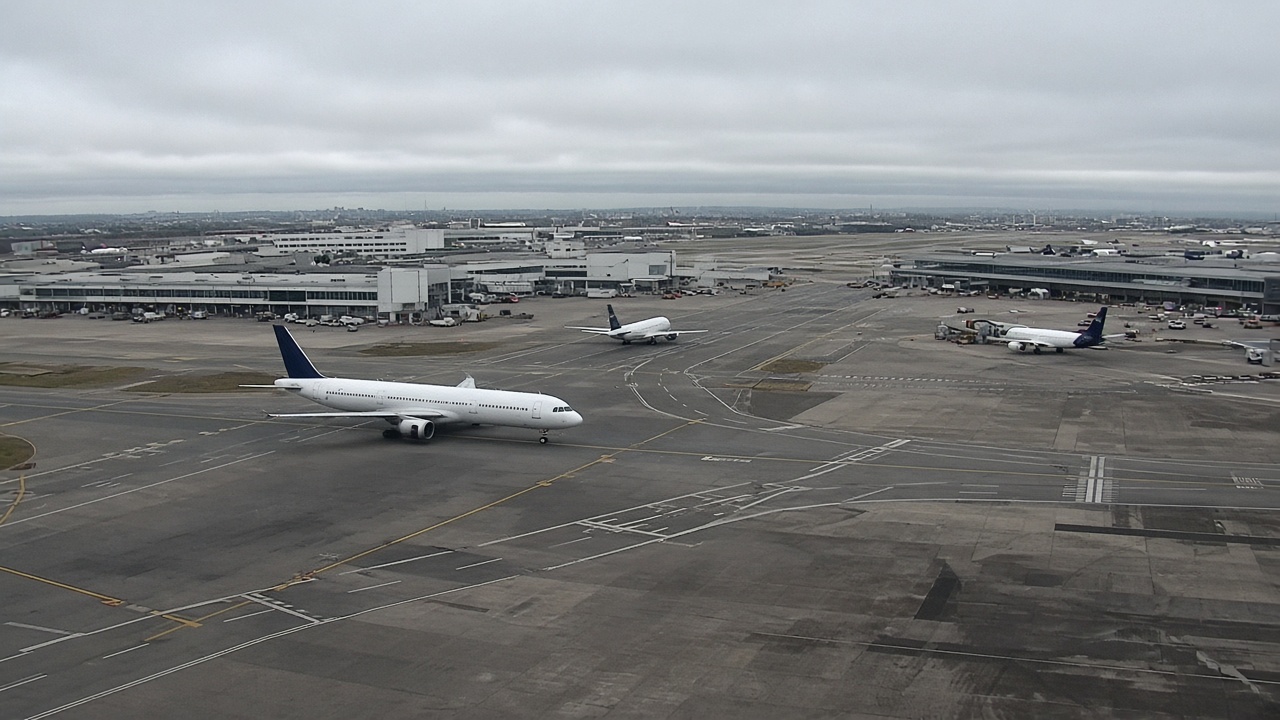
Chancellor John Healey said building a third runway at Heathrow Airport remains a pro-growth project, speaking from the International Monetary Fund annual meetings in Bangkok while Prime Minister Keir Starmer refused to say whether he still supports the expansion.
Healey told reporters on Friday that airport capacity, including at Europe’s busiest hub, has “been a big part of jobs and growth” for the UK over recent decades. His comments follow a warning from Heathrow’s chief executive that failing to add a runway would be a “huge missed opportunity,” and they land three weeks after Greater Manchester Mayor Andy Burnham said residents near the airport should weigh the decision.
Where the policy stands
The previous government backed a third runway in 2025, arguing Britain could not “duck the decision any longer.” The Department for Transport ran a consultation on an updated National Policy Statement that underpins any planning approval, and Healey said that consultation is now closed while officials review responses.
“The formal position now is that the consultation is closed, led by the Transport Department. We’re reviewing those, and then further decisions and announcements will follow,” he said. He did not give a timetable for a fresh ministerial statement.
Heathrow’s owners have said they need explicit political backing before the end of 2026 to keep financing timelines intact. The airport handled more than 80 million passengers last year on two runways, with flights capped at about 480,000 annually. A third runway could lift the cap toward 720,000 flights, subject to planning consent and environmental conditions.
Political splits inside Labour
Starmer’s silence on Friday contrasted with Healey’s firm tone. Downing Street has faced weeks of pressure from business groups and airlines that argue London lacks hub capacity, while local councils and climate campaigners warn that thousands of additional flights would undermine noise and emissions targets.
Burnham’s hesitation highlighted regional fault lines within the party. He told reporters the expansion was a matter for communities under Heathrow’s flight paths, not a decision he would make from Manchester. Healey, by contrast, framed the runway as national economic infrastructure tied to the government’s growth mission ahead of the autumn Budget.
Reuters reported that Healey’s Bangkok remarks were the clearest ministerial endorsement since Burnham declined to back the project in late September. Opposition parties are likely to press Starmer in the Commons on whether the 2025 policy still binds his government.
Planning and climate hurdles
Even with political support, Heathrow faces a lengthy development consent process. The airport said in September that regulatory and planning delays could push an opening date to 2039. Environmental groups argue that expanding the west London site would make it harder for the UK to meet its carbon budgets without offsetting measures.
Healey did not address carbon modelling in his Friday remarks, focusing instead on employment and trade connectivity. Transport officials have not published a summary of consultation responses, leaving airlines and residents guessing about whether ministers will tweak noise limits or flight caps before any final go-ahead.
For investors, the immediate question is whether Starmer will align with his chancellor before Heathrow’s year-end deadline for clarity. Without a unified cabinet position, the runway debate that has divided British politics for two decades will roll into 2027 still unresolved.