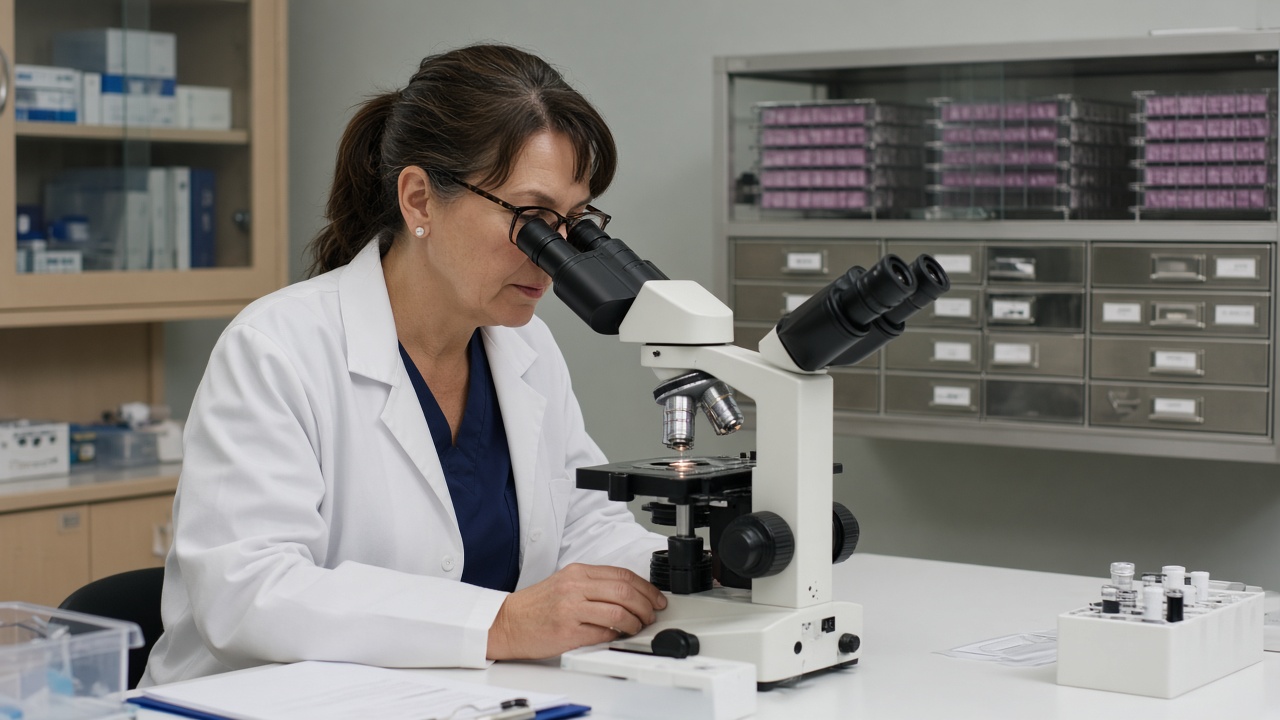
Oncologists, pathologists and health bureaucrats gather in Sydney on 17 October for the Precision Medicine Summit, a two-day program focused on how Australia moves genomic testing from trial sites into standard cancer care without leaving rural patients behind.
From pilots to pathway
Agenda papers promise debates on comprehensive genomic profiling, liquid biopsies, and antibody-drug conjugate diagnostics aided by artificial intelligence. The underlying policy question is funding: which tests Medicare should subsidise nationally versus which remain trapped in state-based compacts or hospital philanthropy.
Advocates argue equal access is impossible if only metropolitan centres can afford next-generation sequencers and bioinformatics staff.
Research echoing through the wards
The summit opens days after ABC’s Health Report highlighted microbiome studies linking gut bacteria to cancer treatment side effects—work that could eventually inform which patients tolerate immunotherapy. While not on the official summit title, those findings show how precision medicine spans genomics and host biology.
Delegates will ask whether Australia’s biobanks and privacy laws can share data across states quickly enough to rival European cancer moonshots.
Workforce bottlenecks
Even when tests are affordable, reporting actionable variants requires molecular pathologists in short supply. Regional hospitals still fly paraffin blocks to capital cities, adding days to treatment decisions. Satellite sequencing hubs and telepathology are on the program, but capital grants remain competitive.
Industry presence
Pharma firms with ADC pipelines sponsor sessions, hoping clinician familiarity speeds uptake of companion diagnostics. Local biotechs pitch homegrown assays to reduce import reliance. Each commercial angle collides with Pharmaceutical Benefits Scheme negotiations that move slower than FDA approvals.
Patients waiting on policy
For people newly diagnosed this week, summit communiques are abstract. What matters is whether a tumour panel ordered on Monday is reimbursed on Tuesday. Organisers say they will publish a communique urging federal–state cooperation; patients will measure success by updated Medical Services Advisory Committee listings, not rhetoric.
Sydney’s skyline makes a polished backdrop; the work is in boring reimbursement tables that decide who gets a shot at matched therapy.
Liquid biopsy on the agenda
Several speakers will present data on blood-based screening that detects circulating tumour DNA before imaging spots progression. Private labs already market panels to self-paying patients; summit moderators want a roadmap for when those tests earn the same rebates as tissue biopsies ordered inside public hospitals.
Regional trial networks
Queensland and Western Australia health departments are piloting courier models that return genomic reports within ten days. If those pilots hit turnaround targets, they could be showcased as proof that distance need not deny access—provided Medicare item numbers follow.