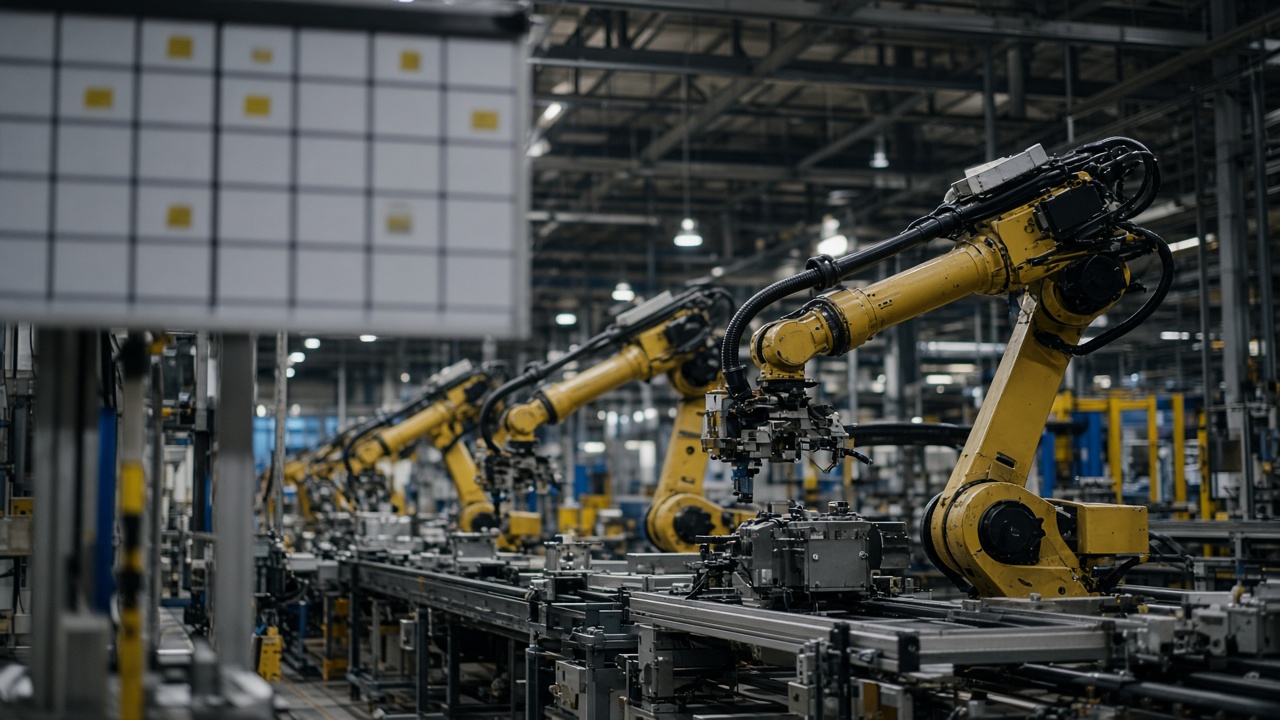
Preferred Networks Inc. activated a Nagoya-hosted simulation large language model that tier-two Toyota Motor Corp. suppliers can query to replan stamping and machining lines when material deliveries arrive late, the Tokyo AI lab said Friday. The tool does not autonomously issue shop-floor orders—it returns ranked schedule options humans must approve, a guardrail Toyota procurement asked for after broader employee LLM adoption across Japanese industry drew governance scrutiny this month.
Pilot scope
Five Nagoya-area component makers with fewer than 500 employees received tenant accounts tied to anonymized historical downtime logs. Users upload a bill of materials and current WIP counts; the model proposes overtime shifts, alternate press sequences, or subcontract bursts with estimated yen impact. Preferred Networks hosts weights on-premises inside a Toyota-affiliated cloud enclave so parts numbers never leave the consortium firewall.
The project sits beside—not inside—Toyota’s production control systems. Integration is export-only: planners copy approved scenarios into existing ERP batches.
Why suppliers need help
Just-in-time chains recovered from pandemic shocks still face sporadic steel and semiconductor lead-time spikes. Smaller suppliers lack dedicated operations research teams; schedulers historically used spreadsheets and phone trees when a coil shipment stalled. An LLM trained on synthetic disruption scenarios can surface combinations humans miss, especially when multiple SKUs share one press line.
Preferred Networks fine-tuned a mid-size open-weight model with reinforcement learning from digital twin simulations developed for prior robotics projects. Latency targets stay under 30 seconds per query so floor managers can use tablets during gemba walks.
Governance echoes
The launch follows Mercari Inc.’s disclosure that more than 96 percent of employees use generative tools, prompting a corporate AI governance desk. Toyota suppliers face customer audits on data handling; the Nagoya enclave logs every prompt and blocks uploads containing customer part names unless masked.
Diet lawmakers separately discussed expanding AI use in parliamentary reform, a political thread unrelated to the factory pilot but part of the same national conversation about where models may act without human sign-off.
Rival offerings
SoftBank Corp. and NTT offer enterprise LLM bundles to municipalities; manufacturing depth differentiates Preferred Networks’ offering. Siemens and Japanese system integrators pitch classical optimization solvers without natural-language interfaces. Preferred Networks argues language layers lower training time for aging skilled workers who know machines but not Python.
Pricing is subscription-based per plant line, with Toyota subsidizing the first six months for pilot participants.
Limits and risks
Model hallucinations could suggest physically impossible press sequences; the UI highlights assumptions and requires a second approver for overtime beyond union agreements. Preferred Networks maintains a kill switch if output variance exceeds thresholds learned from twin data.
Suppliers without clean historical logs see weaker recommendations—a digital divide METI manufacturing DX grants aim to narrow with subsidized sensors.
Next milestones
A January review will decide whether to expand tenants to Chubu forging shops and whether outputs may flow automatically into Toyota’s supplier portal. Until then, Nagoya planners have a new conversational calculator for when the truck is late and the line cannot wait.
For Japan’s auto supply chain, the pilot tests whether generative AI earns a place next to Andon cords: helpful when it speaks the language of takt time, useless when it guesses.