BHP Group and Rio Tinto paced a resources-led rebound on Friday that lifted the S&P/ASX 200 by 87 points, or 1 percent, to 8,806.7, as softer September employment convinced traders the Reserve Bank of Australia might skip another rate increase on Melbourne Cup day.
From chip scare to iron-ore bid
The local market spent much of the week nursing losses tied to global technology names and questions about debt-funded artificial-intelligence spending. Friday’s tone flipped when the Australian Bureau of Statistics reported payrolls shrinking and unemployment steady at 4.7 percent, a combination that markets read as easing pressure on household budgets.
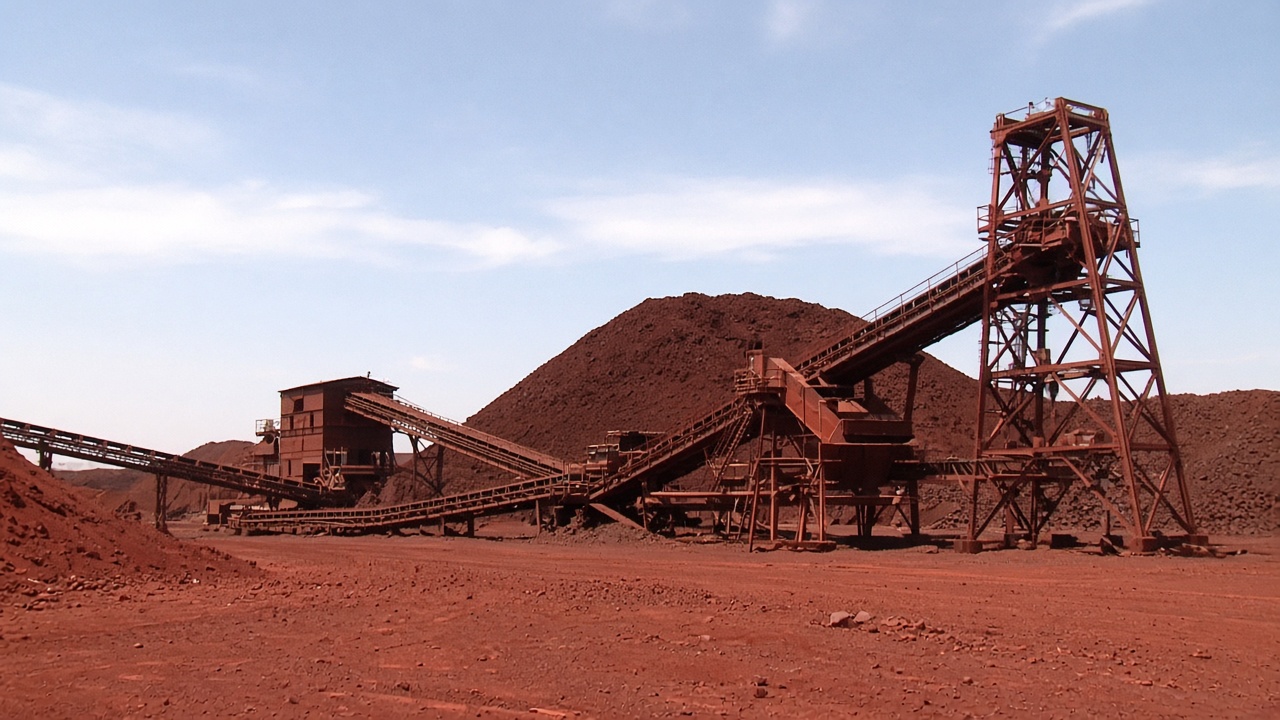
BHP shares rose 3.5 percent to $60.03, while other miners gained nearly 3 percent as a sector. Gold producers also advanced as bullion held above US$4,100 an ounce in offshore trade. The move restored a five-week high on the headline index even though financials—sensitive to slower loan growth—finished slightly lower on the day.
Rate expectations repriced in hours
Before the jobs release, pricing implied roughly a one-in-three chance of a November hike. Afterwards, traders cut that probability to about one in ten, with December tightening odds also falling. Westpac and ANZ economists still argue another increase is possible, but Commonwealth Bank and several market strategists said the data made a pause more likely until October’s quarterly inflation print on the 28th.
For equities, lower hike odds reduce the discount rate on long-duration growth stocks. WiseTech Global and Xero, battered earlier in the week, rose more than 3 percent on Friday, helping the information-technology sub-index climb about 4 percent in session terms reported by offshore wires.
Energy and geopolitics still in the mix
Oil names posted a second weekly gain as Middle East shipping risks kept Brent supported, even as some Persian Gulf flows recovered. Woodside Energy and Santos edged lower on Friday despite the broader risk-on mood, reflecting company-specific hedging and project timelines rather than macro rates alone.
Investors also tracked a steadier Wall Street session after Federal Reserve chair Jerome Powell’s successor nominee Kevin Warsh sounded less hawkish than some feared following hot US inflation data. The S&P 500 added 0.3 percent, giving Australian futures room to firm before the open.
Household-facing stocks held up
Consumer staples gained more than 3 percent for the week as portfolios rotated into defensives during Thursday’s volatility. That resilience matters for an index where grocers and healthcare names offset cyclical miners on down days.
Cleanaway Waste Management, by contrast, fell more than 6 percent on takeover uncertainty, a reminder that idiosyncratic corporate stories still diverge from macro trades.
Chart: where Friday’s points came from
What Sydney traders watch next
Monday is a quieter calendar day locally, but offshore tech earnings and oil headlines will still filter through. Domestically, eyes turn to the 28 October inflation release, which several banks said would decide whether the RBA’s 4.6 percent cash rate is a peak or a pause.
For now, the market’s message is simpler: bad news for workers translated into good news for rate-sensitive assets, and miners were the fastest way to express that view.