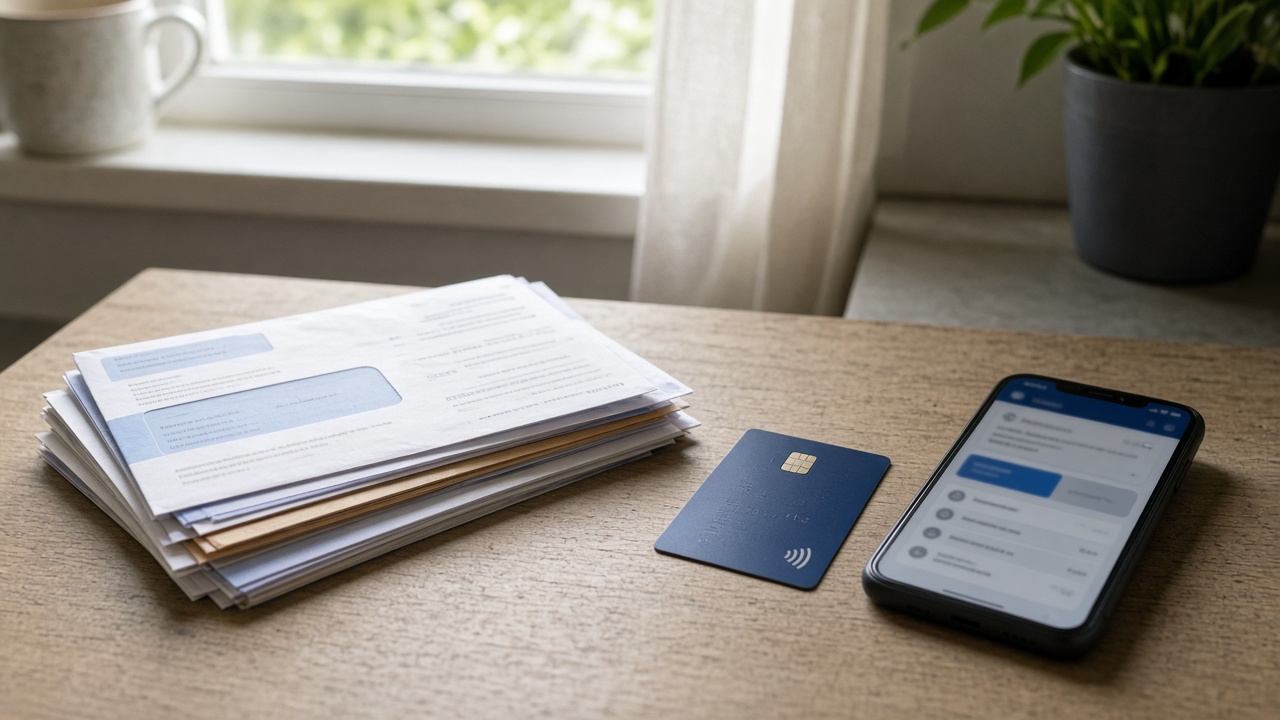
Sumitomo Mitsui Card Co. will grant extra reward points to cardholders who link qualified electricity and city-gas autopay contracts to their Visa credit accounts by November 30, a promotion aimed at households facing higher winter utility invoices across the Tokyo and Chubu service territories. The campaign stops short of subsidizing energy itself—it targets payment behavior as issuers compete for recurring household spend after a year of yen-driven import costs.
Program mechanics
According to program materials posted Friday, enrollees must set autopay for at least one regulated utility merchant category and keep the arrangement active through January billing cycles to receive the bonus. Points post within two statement cycles; municipal water bills and mobile carrier debits are excluded. SMBC Card said the offer applies to both plastic and digital card numbers tokenized on Apple Pay and Google Wallet.
The issuer capped participation at one bonus per primary account, a typical anti-gaming rule after prior promotions saw users churn autopay registrations. Customer service scripts instruct agents to clarify that switching retailers mid-campaign may void eligibility if merchant codes change.
Why utilities now
Major electricity retailers file winter surcharge tables with the Ministry of Economy, Trade and Industry each autumn, and consumer groups expect visible year-on-year increases on sample bills for standard households using gas heat. Card issuers treat autopay as sticky: once a household routes a utility through a Visa account, discretionary spend often follows the same wallet.
Rivals MUFG Card and Rakuten Card ran transit-focused rebates earlier in October; SMBC’s pivot to utilities reflects commuter normalization after pandemic-era work patterns and a desire to capture bill pay before year-end bonus seasons redirect balances toward travel.
Credit risk and FSA context
Financial Services Agency statistics show revolving balances creeping up among younger cardholders as living costs outpace wage growth in some surveys. SMBC Card’s promotion requires autopay in full for the utility portion to qualify, nudging users away from minimum-payment habits on essential bills. Risk officers internally model that full autopay users carry lower delinquency than manual payers who miss due dates.
The campaign does not change interest rates or cash-advance fees; it is a marketing ledger entry. Still, consumer finance watchdogs remind households to compare total energy price, not just point yields, when choosing retailers.
Household math
For a Tokyo family paying roughly ¥12,000 monthly for electricity and ¥8,000 for gas, bonus points translate to a modest gift-certificate equivalent—enough to notice on a statement, not enough to offset a double-digit percent tariff hike. Financial planners said the better use is combining autopay with retailer point malls that stack discounts on insulation goods and LED bulbs sold at home centers accepting SMBC promotions.
Cardmembers already enrolled in prior autopay offers may receive targeted mailers; the November 30 deadline aligns with corporate year-end marketing budgets.
Issuer competition
Japan’s credit-card market remains fragmented among bank issuers, retailer co-brands, and point-economy players tied to e-commerce. SMBC’s Visa portfolio skews toward salaried employees at group lender Sumitomo Mitsui Banking Corp., giving it a channel to cross-sell mortgage and wealth products after utility autopay succeeds.
Industry consultants expect similar winter campaigns from competitors if METI’s sample bills show sharp increases when utilities publish them later this month. For now, SMBC is first among megabank issuers to bundle gas and power in one enrollment flow on mobile.
Practical steps
Cardholders should confirm their utility merchant appears in SMBC’s eligible list—some municipal enterprises use payment processors with ambiguous category codes. Households on budget-billing plans remain eligible if autopay covers the fixed monthly amount.
The promotion underscores how Japanese issuers fight for recurring household rails as energy costs dominate kitchen-table budgets, even when the headline fight in Tokyo is Tuesday’s consumption-tax debate rather than card reward tables.