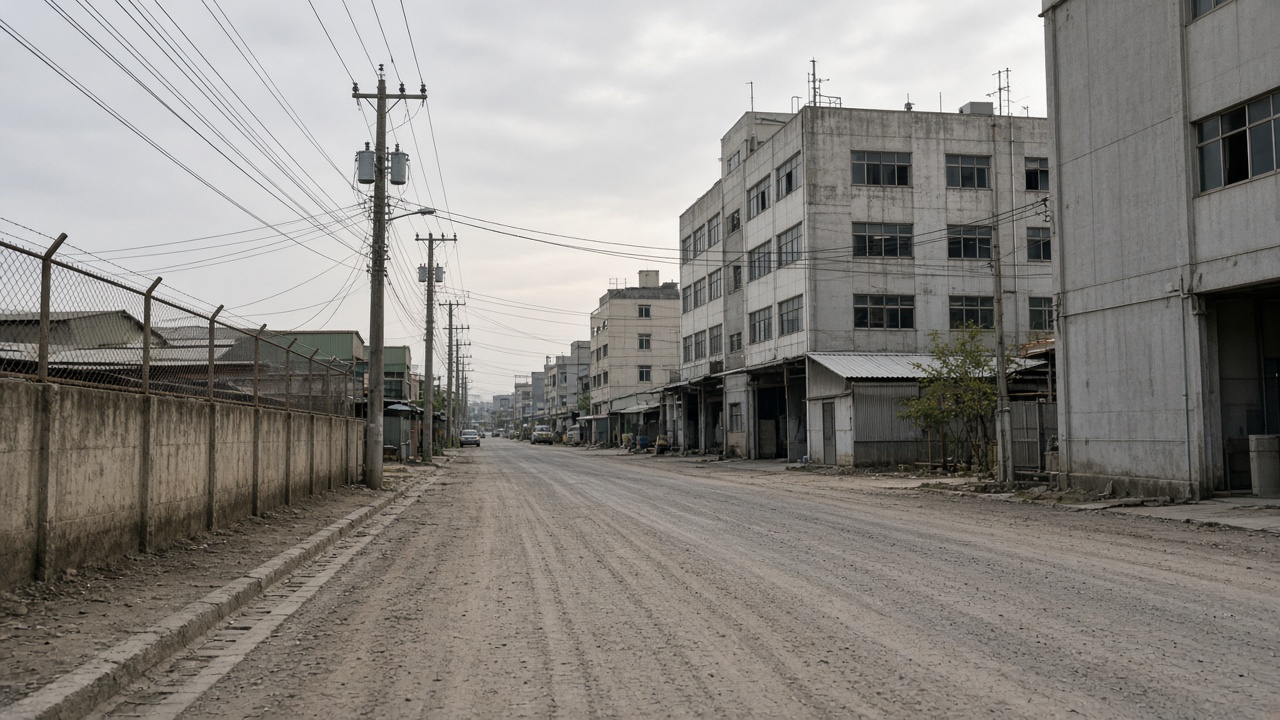
Listed AI and precision-equipment suppliers spent about NT$37.3 billion on industrial land in the first nine months of 2026, according to brokerage tallies cited in Saturday’s business press, as fabs and server assemblers race to secure floor space within a twenty-minute drive of existing plants.
Golden-twenty sites trade at a premium
Commercial brokers describe the hunt as a “golden twenty” rule: buyers want vacant lots or ready-built factories no more than twenty minutes by truck from headquarters or a major supplier park. Sinyi Research data show twelve members of Taiwan’s “thousand-dollar” share club—names trading near or above NT$1,000—closed twenty deals for a combined NT$37.3 billion, nearly double the 2025 pace for the same cohort.
Winners are not only chip giants. Passive-component, cooling, and PCB names that feed AI servers are bidding against each other in Taoyuan, Hsinchu, and southern Kaohsiung corridors. Several issuers paid above assessed land value to skip years of permitting, brokers said, accepting higher carrying costs to keep 2027 capacity online.
Why speed beats discount
Expansion timelines now hinge on power hookups and wastewater permits as much as on concrete pours. A Taoyuan industrial agent said three clients walked away from cheaper central Taiwan plots because Taipower could not guarantee megawatt service before late 2027. Closer-in brownfield sites with existing substations commanded 15–20 percent premiums in recent auctions.
Land sellers are responding. Local governments in Hsinchu and Taichung have accelerated “ready factory” programs that bundle environmental review with shell buildings. Two listed cooling-module makers disclosed purchases of such shells in September filings, citing six-month move-in targets.
Debt and dilution risks
The buying spree is not cost-free. At least four issuers funded acquisitions with convertible bond issues this quarter, and two tapped at-the-market equity programs after shares hit record highs in August. Credit analysts warn that if the AI capex cycle slows, fixed land charges could pressure margins at mid-cap suppliers that lack TSMC-scale cash flows.
Still, management teams argue idle land is cheaper than lost orders. “Customers are asking for local redundancy, not a single mega site,” a CFO at a listed server chassis maker told investors on an October roadshow, according to a company transcript. “If we miss 2027 slots, we do not get them back when sentiment turns.”
What regulators watch
The Ministry of Economic Affairs has urged municipalities to publish remaining industrial inventory quarterly, warning that speculative land banking could crowd out smaller tooling shops. Environmental groups in Taoyuan, meanwhile, are pressing for stricter reviews on groundwater use at new parks. Neither issue has slowed transactions yet—Saturday’s papers listed two more pending deals in the Linkou and Luzhu belts—but officials say they will tie future tax breaks to actual production starts, not land hoarding.
Local governments compete for jobs
Taoyuan Mayor Chang San-cheng told a Saturday investment forum that three AI suppliers requested expedited building permits after TSMC’s earnings call, and the city will add shuttle buses between Linkou and Hsinchu science parks to sweeten commutes. Kaohsiung pitched reclaimed harbor land with deep-water berths for module makers that import heavy chillers. The competition shows land is now a recruitment tool, not just a zoning formality.
Environmental reviews remain the choke point. An Hsinchu county official said groundwater monitoring wells at two pending sites must operate for 90 days before excavation permits issue, potentially pushing move-in dates into 2028 unless buyers accept phased construction. Suppliers are lobbying the Ministry of Environment to allow shared monitoring data across adjacent lots owned by the same issuer.
Listed steel-structure contractors report order books filled through mid-2027 for factory shells under 20,000 square meters, the size most AI suppliers prefer for quick permits. Two contractors said they are importing modular wall panels from Vietnam to shave six weeks off build schedules when local welders are booked.