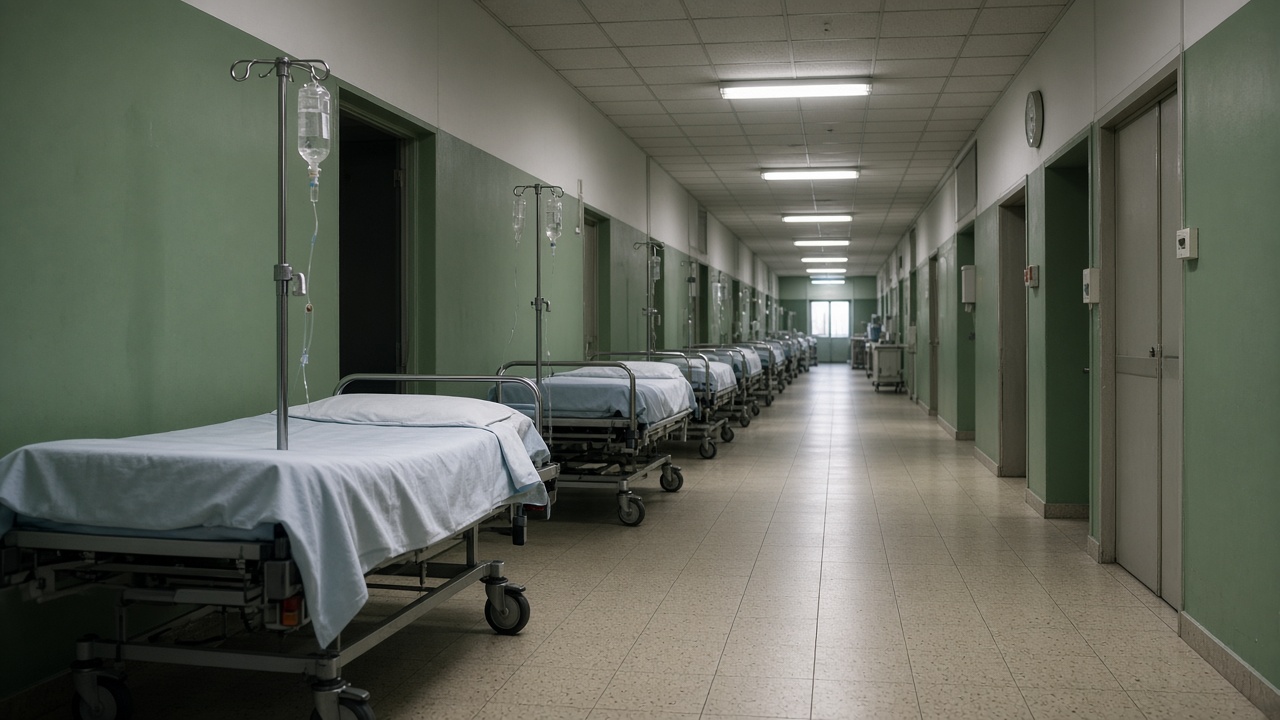
AIIMS Bhubaneswar opened a dengue observation bay in a converted lecture hall this weekend, adding 24 cot spaces for patients who need platelet monitoring but do not yet require intensive care, as post-monsoon fever cases rise across coastal Odisha.
The move follows a pattern seen every October: intermittent rain leaves stagnant water in urban containers, Aedes mosquito counts climb, and district hospitals forward complicated cases to the central institute on the outskirts of the capital.
Why a lecture hall
Hospital administrators said the main infectious disease ward hit 95 percent occupancy on Friday night. Rather than board patients on stretchers in corridors—already flagged in a state health audit last year—faculty agreed to pause weekend seminars and install partition curtains in an auditorium that normally seats 120 students.
The bay is staffed by rotating internal medicine residents with tropical medicine fellows on call. Patients with warning signs—persistent vomiting, mucosal bleeding or systolic pressure below 90 mmHg—still go straight to ICU beds.
District picture
The Odisha health department’s weekly bulletin, last updated on 16 October, showed Khordha and Cuttack districts contributing the bulk of new dengue positives. Rapid antigen tests are available at urban primary centres, but confirmatory NS1 ELISA queues lengthen when rains disrupt sample transport from rural blocks.
Private labs in Bhubaneswar reported two-day waits for platelet counts during the Diwali travel rush, pushing middle-class families toward AIIMS even when symptoms are moderate.
Prevention messaging
Municipal workers fumigated stagnant construction pits near the airport road on Saturday, though residents complain that interior slums see fogging only after cases appear. Schools in the city remain open, but principals were asked to send home children with fever without requiring a doctor’s note.
Doctors emphasise oral hydration and paracetamol rather than aspirin, which can worsen bleeding risk. There is no approved antiviral for dengue; care is supportive until platelets stabilise.
Capacity planning
If admissions exceed the lecture hall capacity, AIIMS will erect a prefabricated tent ward used during prior heatwave seasons. Officials hope the IMD rain forecast does not coincide with a chikungunya co-infection wave, which strained nurses last autumn.
For now, the observation bay is a pragmatic overflow valve—less glamorous than a new tower block, but the kind of flexible space that keeps Bhubaneswar’s referral chain from breaking when the monsoon tail wets the city one more time.
Training impact
Medical students scheduled for weekend anatomy reviews were shifted to online modules so the auditorium could be converted. Dean’s office memos said the arrangement will last until daily admissions fall below fifteen for three consecutive days.
Community health workers in Cuttack district received refresher training on identifying warning signs, because delays in referral remain the main driver of severe outcomes—not lack of ICU ventilators.
Pharmacies reported stable paracetamol stocks but short supplies of oral rehydration salts in tourist-heavy Puri, prompting a state transport department run to move boxes from central warehouses.