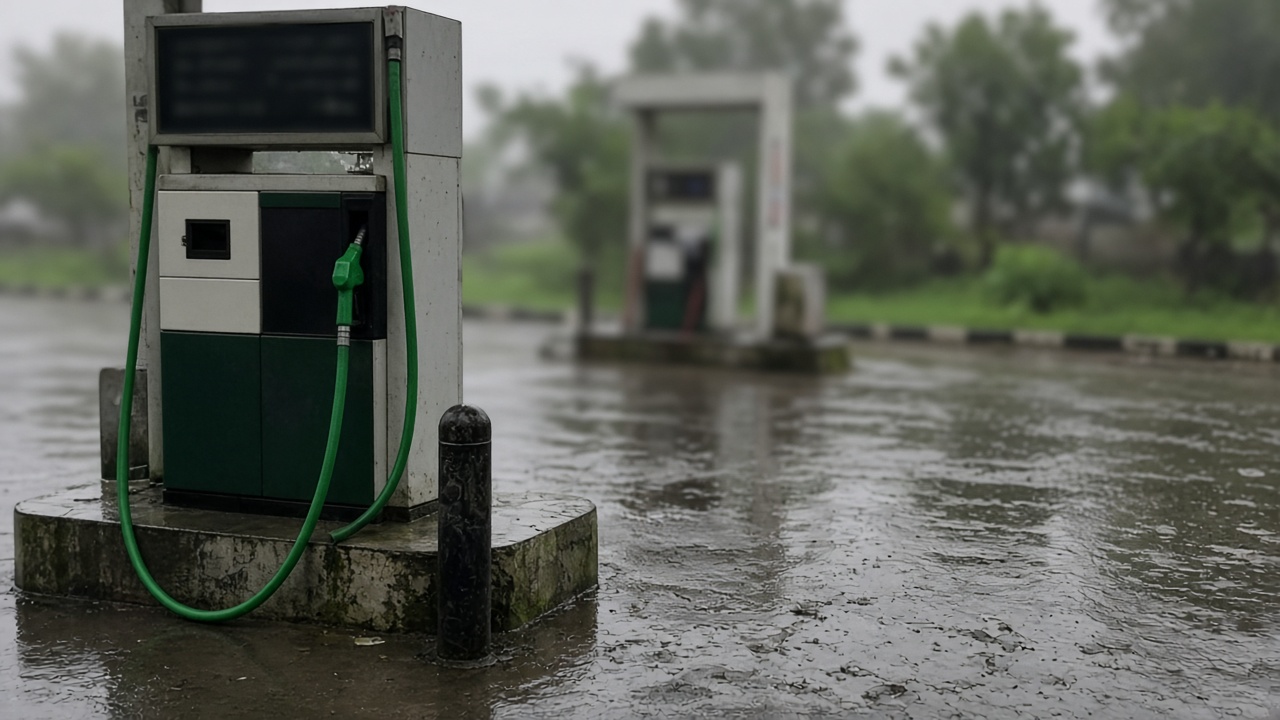
Axis Bank reset accelerator points on its Magnus credit card for petrol spends in the Mumbai metropolitan region this weekend, joining other issuers that are quietly tightening fuel rewards as pump prices top ₹105 per litre even though state oil companies have not announced a formal nationwide increase since the last revision cycle.
The change matters because premium cardholders often route daily commutes through loyalty categories to offset annual fees that can exceed ₹10,000 on super-premium products. When marketing teams cap petrol accelerators, the effective return on fuel falls even if the rupee price at the nozzle looks frozen on government-owned boards.
Why rewards move before pump boards
Indian Oil, Bharat Petroleum and Hindustan Petroleum set retail prices on a formula linked to international crude, rupee moves and marketing margins, but political cycles frequently delay pass-through. Card networks and banks, however, price rewards against actual interchange economics and fraud patterns, not election calendars.
Axis’s weekend circular to cardholders, reviewed by InfoHandle, trims the monthly ceiling on bonus points for fuel MCC transactions in select cities while keeping base earn rates unchanged. HDFC Bank and ICICI Bank made similar adjustments on select products in September when Brent first crossed $100, according to customer emails archived by consumer forums.
Surcharges and MCC quirks
Fuel purchases on credit cards in India often attract a 1 percent surcharge that issuers may waive only up to a monthly spend cap. With crude settling near $109.86 on Friday, treasury teams worry that generous fuel promotions attract arbitrage—cardholders buying petrol for friends or reselling vouchers—without building long-term interchange profit.
RuPay credit-on-UPI pilots complicate the picture further. Some banks route small fuel payments through UPI rails to avoid surcharge rules, prompting risk teams to monitor velocity limits separately from traditional POS spends.
What cardholders can still do
Commuters who depend on petrol rewards should read the October circulars for tiered caps, not just headline earn rates. Several issuers still offer 4X points on the first ₹5,000 of fuel each month but drop to 1X beyond that. Others require transactions at company-owned outlets rather than dealer stations.
With Diwali travel approaching, analysts expect more issuers to shift budget toward airfare and hotel accelerators—categories where interchange is healthier—while fuel becomes a loss-leader only on entry-level cards aimed at new-to-credit customers.
Until OMCs move the official price line, the real cost of filling up is showing up in loyalty fine print rather than on the LED boards drivers watch at the pump.
Portfolio managers react
Wealth desks at two private banks said they are steering clients who drive more than 1,500 kilometres a month toward fleet cards or direct OMC loyalty programmes instead of super-premium credit products. The math is simple: when Brent stays near $110, the rupee cost per litre rises even if board prices freeze, and reward caps erode the net benefit of high annual fees.
Cardholders who still want lounge access and golf benefits may keep Magnus or similar products but route fuel through spouse accounts or debit wallets. Customer service chats reviewed by InfoHandle show a spike in complaints about “silent” circulars buried in email footers rather than SMS alerts.
Regulators have not intervened in reward pricing, treating it as commercial discretion. That leaves households to compare effective earn rates after surcharges, GST on fuel, and monthly caps—a spreadsheet exercise few festival shoppers want to run.