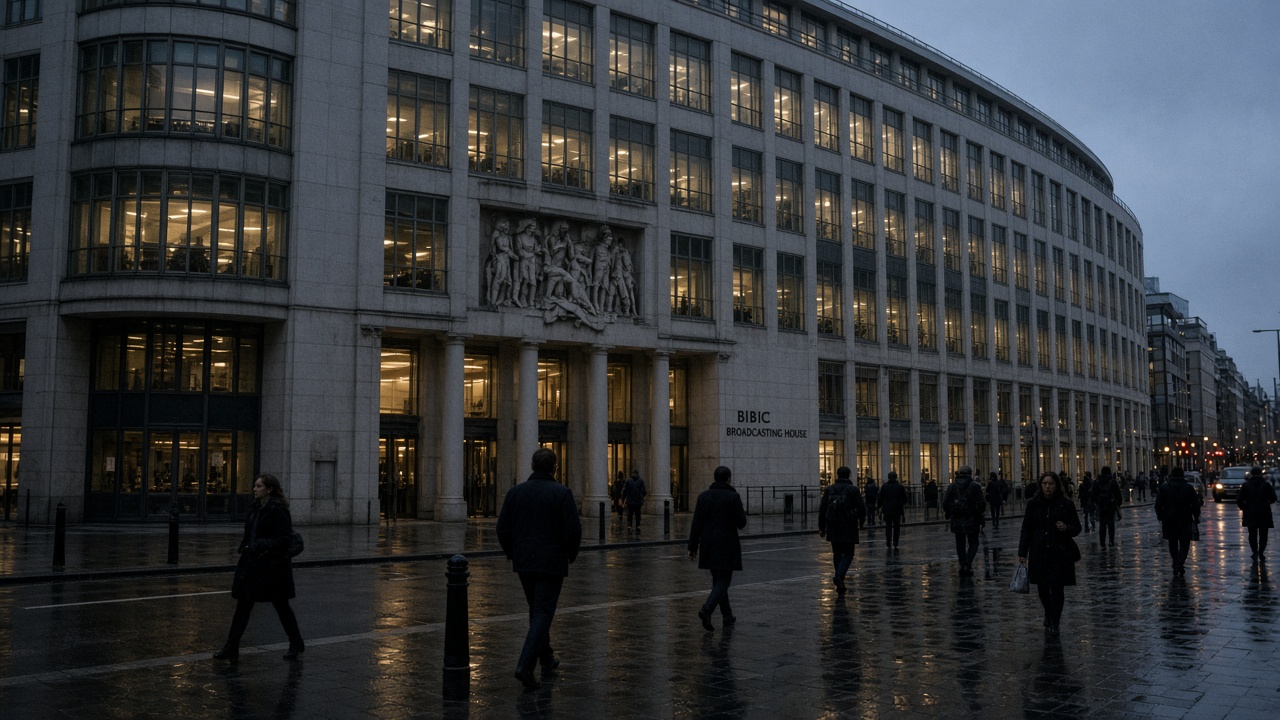
The BBC has paused Whitehall secondments into BBC Verify and barred serving secondees from publishing news while it reviews how government statisticians interact with the fact-checking unit, the corporation said on Saturday. The move follows a Telegraph report questioning whether embedded officials had drifted into editorial tasks incompatible with the BBC’s independence rules.
Scheme dates to 2018 with a two-person cap
Since 2018 the broadcaster has offered six-month placements for up to two civil-service statisticians reporting to BBC News’s head of statistics. A spokesperson stressed that "all BBC journalism and editorial decisions are made by BBC journalists and editors" and that secondees "never made editorial decisions," even when their names appeared on analysis pieces.
Recruitment for the next round—including a 2027 advert cited by the Telegraph—is on hold until the review finishes. Statisticians already on placement will not take part in publishing news or other content during the pause, the BBC added.
Telegraph raised influence and drafting claims
The Telegraph reported that secondees had engaged in work that looked editorial and that a job advert for the 2027 intake promised candidates the "ability to influence decision making" with internal customers. The paper also highlighted a since-removed blog in which one secondee described drafting copy for the news website.
The BBC’s account is narrower: statisticians produce written explanations of data that journalists may incorporate, but do not write finished articles. Contributions can still underpin stories that criticise the sitting government or any party, and secondees remain bound by the Civil Service Code of Practice for Statistics, which requires objective presentation and bars withholding figures for political reasons.
Why Verify is in the spotlight
BBC Verify was launched to scrutinise video and claims circulating online, a high-visibility role at a moment when politicians across the spectrum attack broadcasters over perceived bias. Any hint that civil servants shape Verify output feeds longstanding complaints—especially from Conservative MPs—that the BBC blurs the line between public-service journalism and state-adjacent messaging.
The corporation said it "takes independence and transparency incredibly seriously" and must ensure it meets "the highest standards." Opponents of the secondment model argue that even technical assistance from officials creates optics problems; defenders note that specialist statisticians help the public interpret complex datasets during elections, budgets and health crises.
What happens next
The review’s scope and timetable have not been published. Labour ministers have not commented directly on the pause, though culture secretary Lisa Nandy has previously urged broadcasters to demonstrate impartiality without specifying this programme. If the BBC curtails or ends secondments, Verify and data-driven election coverage would need in-house hires or freelance analysts instead of rotating civil servants.
For now the immediate effect is procedural: no new secondees, no published work from those already embedded, and heightened scrutiny of every chart Verify posts while the corporation tries to separate statistical support from news judgment in practice as well as on paper.