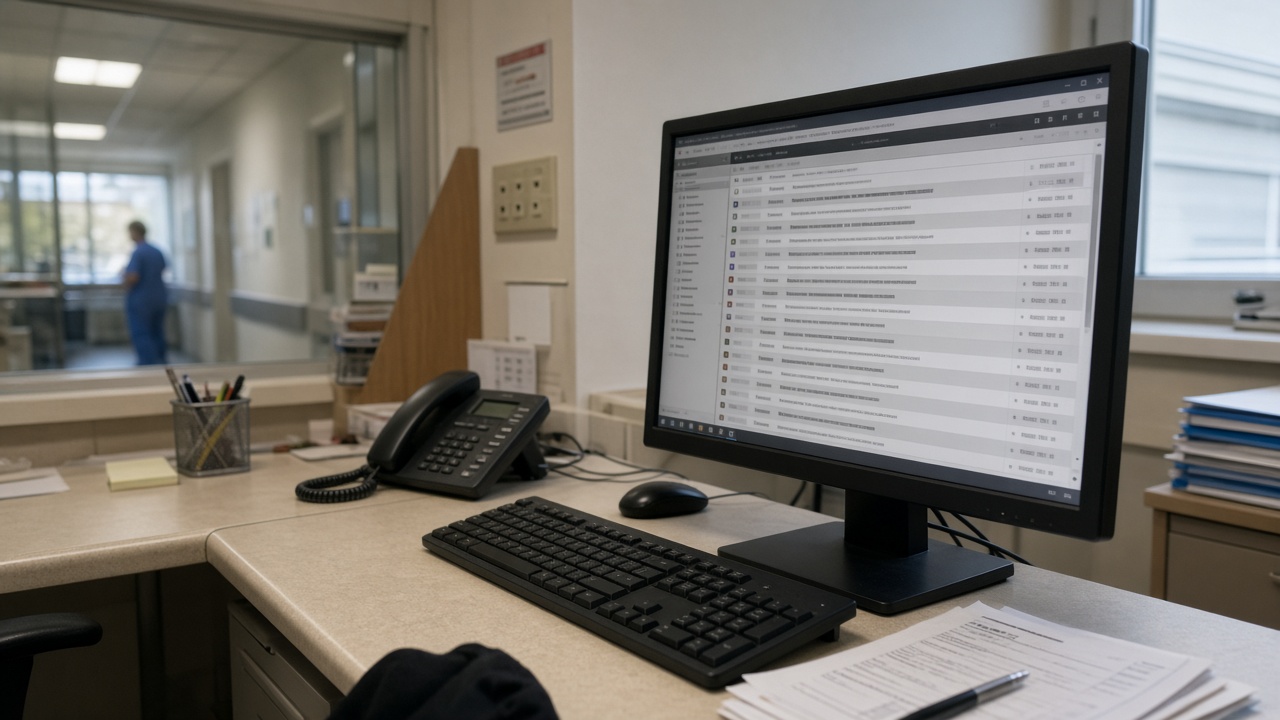
Sydney Local Health District has apologised to patients after staff discovered about 3,400 unread emails sitting in an unmonitored inbox at Canterbury Hospital, including 16 elective surgery referrals that were never actioned. Chief executive Deborah Willcox said the district launched a review as soon as the backlog was found and is contacting every affected patient to reschedule procedures, some of which should have been completed months ago under NSW triage rules.
The bungle, reported on Sunday, lands as NSW Health faces broader scrutiny over hospital administration and a reported push to offer voluntary redundancies to non-frontline workers statewide. Opposition MPs immediately called for an independent inquiry with public findings, arguing the error exposed systemic weaknesses in how referrals move from GPs and specialists into hospital booking systems.
How many patients were caught in the backlog
Among the stranded referrals, four patients were classified Category One, meaning clinicians recommended surgery within 30 days. Another 12 were Category Two, with a recommended window of 90 days. SLHD did not publish names or procedures but said treating surgeons had been contacted to arrange urgent clinical reviews and admission dates so waiting times would not slip further.
Some emails dated to late 2025, prompting the district to issue a risk warning while it works through each file. Willcox told reporters the review would examine every patient’s circumstances separately. An SLHD spokesperson said the district was tightening staff accountabilities, governance, monitoring and executive oversight of admissions workflows to prevent a repeat.
Clinicians warn delayed Category One cases carry real harm
NSW president of the Australian Medical Association Fred Betros said delays for Category One patients posed a significant health risk. He told the ABC that the group includes people who may have cancer or heart disease requiring bypass surgery, and that some patients who breached their waiting times would be fine while others would not. Betros’s comments sharpened political pressure on Health Minister Ryan Park to explain how an entire inbox could go unchecked while urgent cases waited.
Shadow Minister for South-west Sydney Mark Coure described the error as unacceptable and demanded a full independent review with published conclusions. He asked whether other hospitals might have similar dormant accounts and why the district did not detect the problem sooner. Canterbury Hospital sits in Sydney’s south-west, a corridor where emergency departments already run hot during winter and where elective surgery backlogs became a flashpoint in the last state election.
What the district promises now
SLHD said admission teams were prioritising the 16 surgical referrals and that patients would hear directly from the hospital or their surgeons. The district has not said which unit owned the inbox or how long it had been inactive, details likely to emerge from the internal review. For families waiting on cancer or cardiac operations, the practical question is how quickly rescheduled dates appear and whether complications developed during the silent queue.
Willcox’s public apology is the first step; the harder test is whether NSW can prove this was an isolated administrative failure rather than a warning sign about under-resourced hospital clerical teams. Until the review reports, Canterbury’s incident will sit alongside other state health IT and workflow controversies as evidence that a referral sent by email is only as reliable as the inbox someone is paid to open every morning.