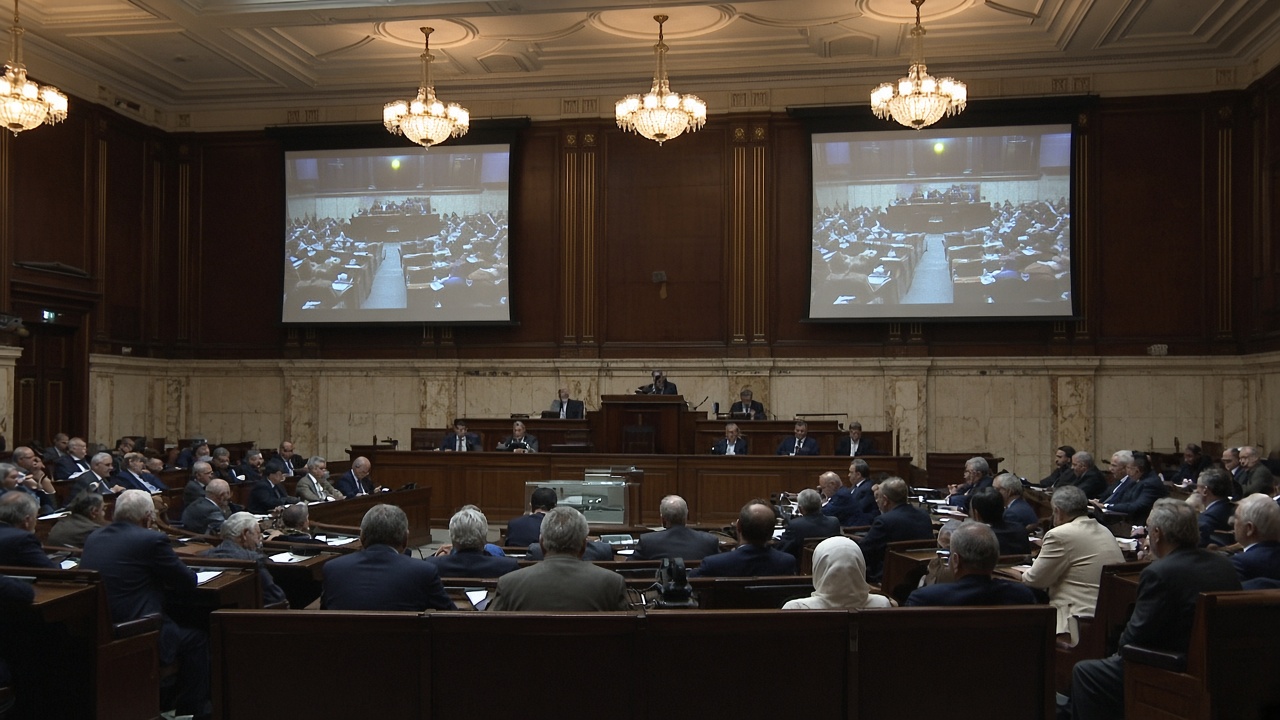
Egypt's House of Representatives postponed a vote on President Abdel Fattah el-Sisi's request to authorise defensive military support for Saudi Arabia, two lawmakers told AFP on Sunday, pushing the decision to at least Monday while speeches on the war in Yemen and Cairo's obligations to Riyadh continued on the floor.
What changed on Sunday
The delay came after an emergency session that Sisi had called as Saudi Arabia faces renewed missile and drone attacks linked to the widening fight with Yemen's Houthis. One legislator said proceedings were extended "to give all lawmakers the opportunity to speak and express their views," while another told AFP that debate would resume Monday so every member could be heard before a formal ballot.
Under Egypt's constitution, the president cannot send forces abroad or declare war without parliament's approval. Sisi is seeking a two-thirds majority for a mandate that officials describe as defensive — protecting Saudi territory and infrastructure rather than a ground invasion of Yemen.
Defence Council backing
Hours before the parliamentary session, Egypt's National Defence Council met at the presidential palace in Cairo. A presidency statement said the council approved providing "all necessary and possible support" to Saudi Arabia to defend its security, stability, territory and Islamic holy sites, while also calling for intensified diplomacy to reduce regional tensions.
Foreign Minister Badr Abdelatty and Defence Minister Abdel Mageed Saqr were among those at the table alongside intelligence chief Hassan Mahmoud Rashad, according to the presidency readout. The council's language stopped short of detailing which Egyptian units might move, but analysts quoted by Al Jazeera said plausible roles include air-defence coverage, naval escort in the Red Sea, intelligence sharing and protection of critical Saudi sites — not the kind of large infantry deployment Egypt sent to Yemen in the 1960s.
Why timing matters for Riyadh
The parliamentary clock is running as fighting along the Yemen-Saudi border escalates after a four-year lull in full-scale war. Saudi-led air activity has picked up, including strikes in Houthi-held areas, while the Houthis have continued firing at the kingdom's cities and energy infrastructure. An attack on Riyadh's King Khalid International Airport earlier in October killed 13 people and injured about 300, according to Saudi officials, one of the deadliest single incidents in the current wave.
Egypt is already a member of the Saudi-led Multinational Maritime Defense Coalition focused on Red Sea shipping, but Sisi's request would mark a deeper step: potential deployment of Egyptian personnel to help shield Saudi soil. Cairo and Riyadh have not signed a mutual-defence treaty, yet Egyptian officials frame the move as protecting a strategic partner whose security is tied to Suez Canal traffic and Gulf stability.
What happens next
Parliament is expected to reconvene Monday with the vote still on the order paper. Opposition figures have questioned the scope of any mandate, while government allies argue that refusing Riyadh would leave Egypt sidelined as Gulf states re-arm. Western diplomats will watch whether Cairo limits itself to symbolic support or sends capabilities that could draw retaliatory Houthi threats toward Egyptian assets in the Red Sea.
For now, the story is procedural but consequential: Egypt's elected chamber has not yet handed Sisi the keys, even as his defence council has already promised Saudi Arabia that help is on the way once lawmakers agree.