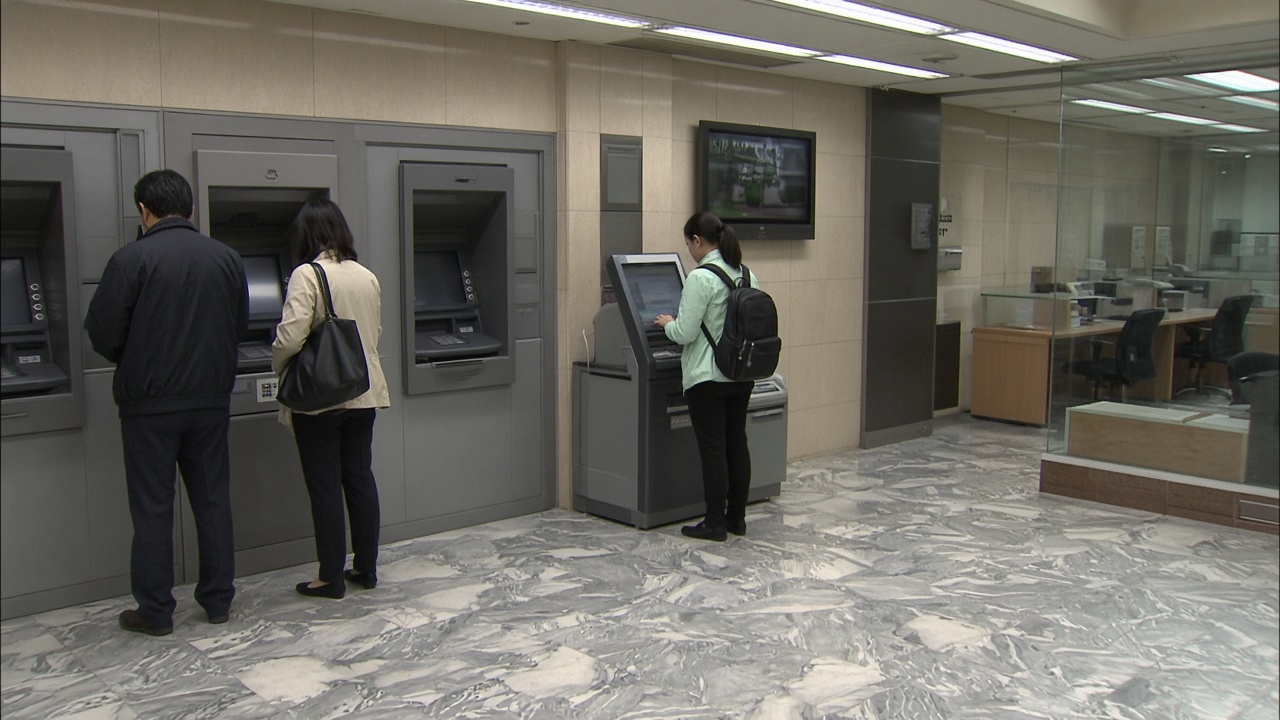
The Executive Yuan’s cash-handout task force began end-to-end tests with five major Taiwanese banks this week, aiming to route the planned NT$10,000 universal grant through existing ATM and mobile-wallet rails if lawmakers pass next year’s budget before January 5.
Two tracks, one deadline
The administration’s NT$10,000 payment is embedded in the 2027 general budget, while the Chinese Nationalist Party (KMT) pushes a separate NT$20,000 special act that cleared a second reading on Friday. Cabinet spokesperson Michelle Lee said the legally vetted NT$10,000 path remains the fastest option because it avoids a supplemental budget fight.
Banks participating in the pilot—including CTBC, Cathay United, and Taiwan Cooperative—are validating identity matches between tax IDs and core deposit accounts, then simulating bulk credits through both ATM networks and digital wallets such as LINE Pay and JKOPAY, according to officials familiar with the tests.
Duplicate-payment checks
Financial Supervisory Commission staff sit in the war room to watch for duplicate credits to the same tax ID. The task force is also testing how foreign residents with Alien Resident Certificates receive funds when their tax data lags banking records. Any mismatch triggers a manual review queue rather than an automatic reject, one banker said, to keep eligible students and migrant workers from missing the window.
Card issuers see upside
Credit-card desks are pitching co-branded campaigns that activate when grants land, offering extra mileage or cashback if recipients pay utility bills through their cards. Fang-Yi Wu, who covers consumer finance for InfoHandle Network, notes that issuers view the grant less as a one-off spike than as a chance to rebind dormant accounts before the year-end shopping season.
What could still slip
If the KMT special act collides with the general budget in committee, Treasury officials warn disbursement could slip past Lunar New Year even if systems are ready. Opposition lawmakers counter that a larger grant justifies the delay. For now, the pilots continue through October, with a public FAQ slated once the Financial Supervisory Commission signs off on settlement rules.
Merchant acceptance
Convenience-store chains are negotiating QR-code rebates if customers spend part of their grant in-store, according to retail lobbyists. The Financial Supervisory Commission has cautioned that such promotions cannot require borrowers to open high-fee credit lines, but issuers may bundle zero-interest installment plans for appliance purchases.
Local governments are also syncing databases so low-income households registered for utility subsidies receive grants automatically without a second application—a lesson from the 2020 stimulus rollout when duplicate forms overwhelmed social workers.
Treasury officials said the pilot will log latency metrics for each bank’s core system, aiming for same-day settlement when grants credit at 8 a.m. on launch day. Rural credit cooperatives asked for a simplified API after 2020 stimulus checks lagged in mountain townships; the task force promised a dedicated test week in Hualien.