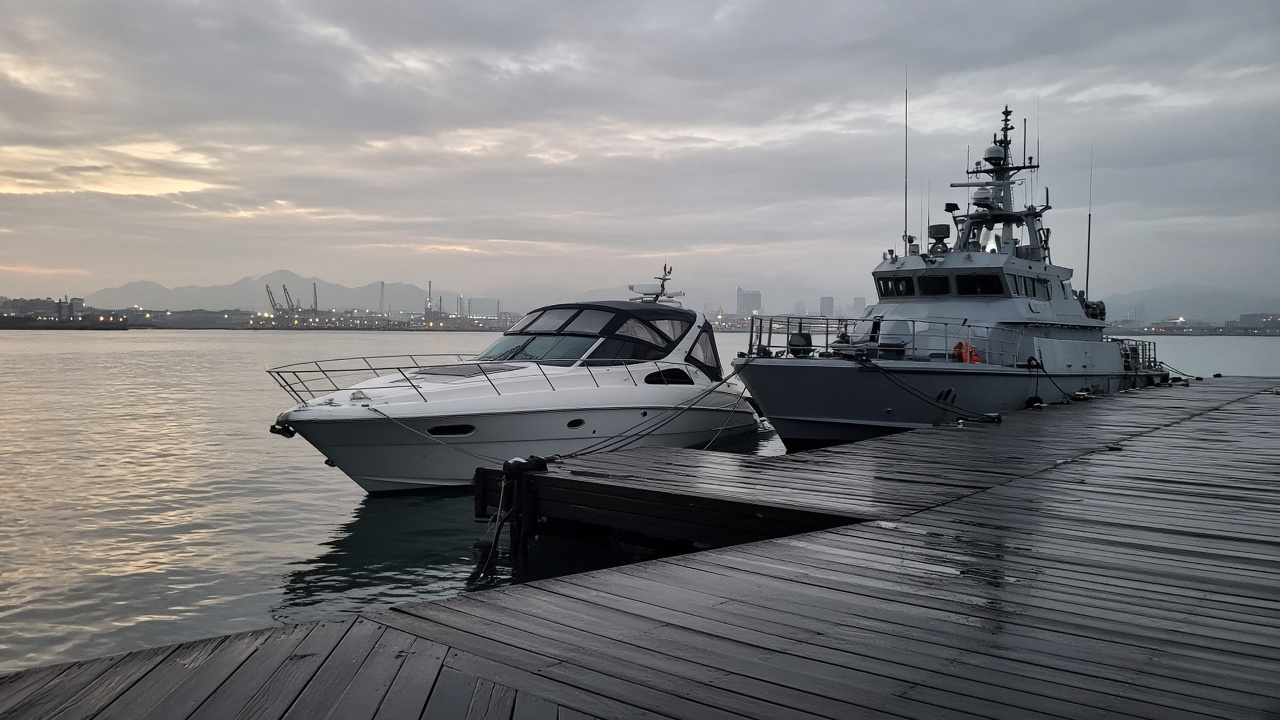
Taiwanese and U.S. agencies seized 1,500 kilograms of ketamine aboard a luxury yacht operating near Kaohsiung, Premier Cho Jung-tai said Friday, capping a two-year investigation that officials valued at NT$4.5 billion and credited with keeping enough drugs off the street to affect ten million people.
How the “Dishi” case unfolded
The Ministry of Justice Investigation Bureau’s southern office first picked up intelligence on the “Dishi” smuggling ring, according to the Kaohsiung District Prosecutors Office, which coordinated with the Coast Guard Administration and National Police Agency. Prosecutors said traffickers planned to offload the cargo in stages using pleasure craft to avoid commercial port scans.
American Institute in Taiwan and U.S. Drug Enforcement Administration officers shared satellite tracks and financial leads, Cho told reporters in Kaohsiung. He framed the bust as proof of Taiwan’s “block outside, intercept at the border, seize inside” drug strategy.
Why the haul matters
Ketamine seizures in Taiwan have climbed with nightclub reopenings and cross-border e-commerce fronts. A 1,500-kilogram single capture exceeds last year’s monthly averages along the southwest coast, according to Coast Guard statistics cited by local media. Medical groups warn that adulterated powders have strained emergency rooms in Kaohsiung and Tainan.
Investigators have not publicly named suspects, citing an ongoing manhunt for crew who abandoned the yacht before boarding. Prosecutors froze three shell companies tied to marina payments, court filings show.
Next enforcement steps
The Executive Yuan pledged additional radar coverage for pleasure-craft lanes and faster lab testing to shorten detention timelines. Lawmakers from both camps praised the cooperation, though some opposition members asked whether budget cuts to coastal patrols last year delayed earlier interdiction. Coast Guard officials rejected that claim, noting deployment hours rose 12 percent in 2026.
Court timeline
Prosecutors expect to indict detained crew members on smuggling and organized-crime charges next week, with bail hearings closed to media. Defense lawyers have not commented publicly. Maritime lawyers say the case could test how Taiwan treats pleasure-craft registrations when owners hide beneficial control through offshore shells—a civil issue separate from the criminal drug counts.
Coast Guard commanders plan to brief the Legislative Yuan’s Transportation Committee on radar gaps along the Penghu corridor, where smugglers have shifted routes after tighter Xiamen patrols.
Justice Ministry officials said forensic chemists are tracing precursor chemicals to Southeast Asian labs, sharing samples with Interpol through existing drug-task-force agreements. Hospitals in southern Taiwan were briefed to watch for overdose clusters tied to higher-purity powders that could follow if any portion of the shipment had already landed before the bust.