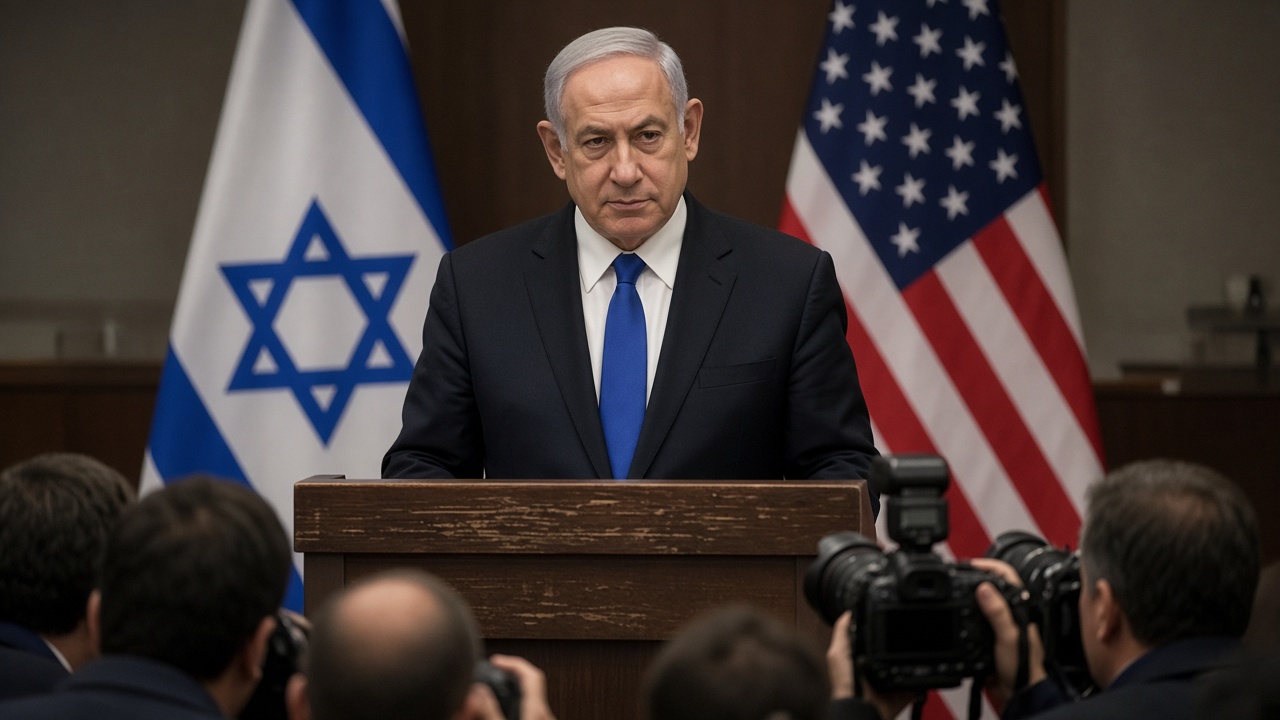
President Donald Trump ended months of public hedging on Sunday with a blunt endorsement of Benjamin Netanyahu nine days before Israelis choose a new Knesset, framing the Oct. 27 election as a referendum on who will stand beside the United States in the widening war with Iran.
In a letter-style post on Truth Social, Trump called Netanyahu a "Great Warrior Prime Minister" and his "Partner for Peace," urging voters to return the Likud leader to office. Netanyahu replied on X that the two would "complete the mission," language both men have used to describe joint strikes on Iranian nuclear and missile sites since fighting escalated in February.
What Trump said about Iran and the ballot
Trump tied the endorsement directly to Tehran. He wrote that if Israel elects "the wrong Leader, which would be anyone other than Bibi, America will have to do this work ourselves, and I am not inclined to do so." He repeated a Revolutionary Guard chant that refers to the United States and Israel as the "big and little Satans," arguing that only Netanyahu has the stomach to keep pressure on Iran while Hormuz shipping remains disrupted.
The post landed hours after Trump told Israel's N12 News that he had always planned to back Netanyahu but "didn't want to do it too soon." That contrasted with a Newsmax interview on Thursday, when he said he did not trust politicians and declined to say whether he would intervene in the campaign.
Where the race stands
Israelis will vote for party lists on Oct. 27, not for prime minister directly. Seats in the 120-member Knesset are allocated proportionally to parties that clear a 3.25 percent threshold, and President Isaac Herzog will then ask whichever bloc can muster 61 seats to form a government.
Recent polls cited by Israeli and international outlets suggest neither Netanyahu's right-wing bloc nor the opposition led by former military chief Gadi Eisenkot has a reliable majority. Eisenkot responded to Trump's endorsement by thanking Washington for security help but insisting that "Israel is a democratic state" and that voters, not foreign leaders, decide the next government.
Why the timing matters abroad
The endorsement injects U.S. politics into a campaign already dominated by the Iran front, hostage diplomacy, and arguments over judicial overhaul. European and Arab capitals watching Hormuz insurance premiums have been wary of any leadership vacuum in Jerusalem while ceasefire feelers circulate.
Trump's move also arrives as his administration debates how long to maintain naval pressure near Iranian ports and whether to ease some Russia-related energy sanctions—a separate fight that Ukrainian President Volodymyr Zelenskyy has criticized. Netanyahu's allies hope the Truth Social letter will rally wavering right-wing voters; opposition strategists are already cutting ads that ask whether a foreign endorsement should outweigh domestic debates on conscription, the economy, and war costs.
For Washington, the practical question is unchanged: whichever coalition emerges must still sign off on military aid, intelligence sharing, and any expanded operations in Lebanon or Syria. Trump's letter makes clear he believes that path runs through Netanyahu— and that he is willing to say so aloud with polling day in sight.