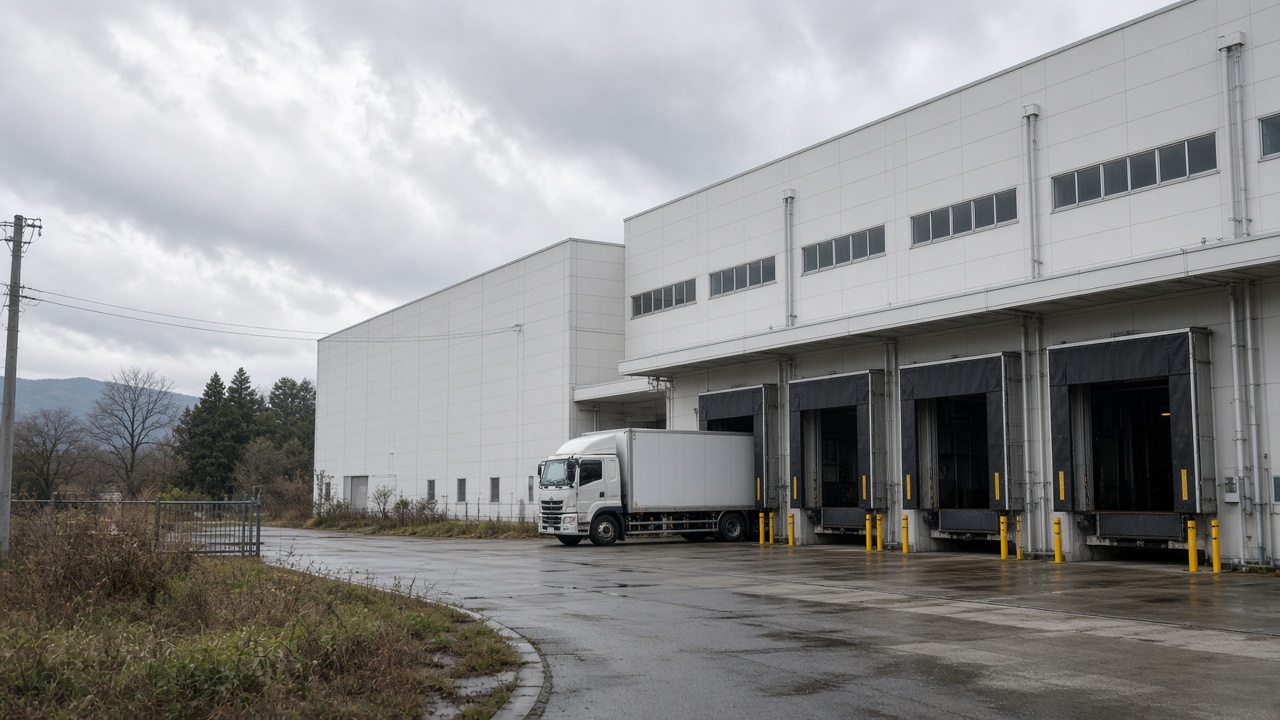
Japan’s Ministry of Economy, Trade and Industry (METI) signed off on TSMC’s request to manufacture 3-nanometer wafers at the company’s second Kumamoto fab, the Nikkei reported Saturday, marking the first time Japan will host leading-edge logic production.
Phase two of the Kumamoto project
TSMC broke ground on the second plant beside its first Kumamoto module, which already ships 12- and 16-nanometer chips for Sony and industrial customers. METI’s approval covers the initial 3-nanometer line; additional capacity could follow if Tokyo extends subsidies tied to Japan’s chip-security goals.
Kumamoto Governor Kazufumi Onishi welcomed the decision, telling local television the investment would ripple through construction, gas, and chemical suppliers in Kyushu. For Taiwan readers, the move shows how TSMC is balancing U.S. Arizona builds with Asian partners wary of supply shocks from Taiwan Strait tensions.
Supply-chain effects here
Equipment vendors in Hsinchu and Taichung—especially lithography service firms and specialty gas suppliers—are bidding to support the Kumamoto ramp. Analysts at Taiwan Institute of Economic Research said overseas 3-nanometer lines could siphon some tool-installation crews but also give Taiwanese subcontractors a hedge if domestic capex pauses during election-year fiscal debates.
What METI still controls
Tokyo retained clawback clauses if TSMC diverts wafers outside approved customers or misses localization targets for materials. METI will review progress quarterly, a stricter cadence than Arizona incentives. Still, the green light keeps Japan in the race with Samsung’s planned 2-nanometer lines in Pyeongtaek, giving automakers and AI startups in Asia another non-Taiwan source for advanced silicon.
Worker mobility
TSMC is recruiting Taiwanese engineers for two-year rotations in Kumamoto with language bonuses, according to job fairs held in Hsinchu last month. Union leaders in Japan welcomed the investment but demanded clarity on overtime caps during the 3-nanometer ramp, which could mirror the labor disputes seen during the first Kumamoto module construction.
For students in Taiwan, the approval signals more dual-campus internships between Kyushu universities and National Tsing Hua University programs—a soft-diplomacy channel even as Tokyo debates security chips legislation.