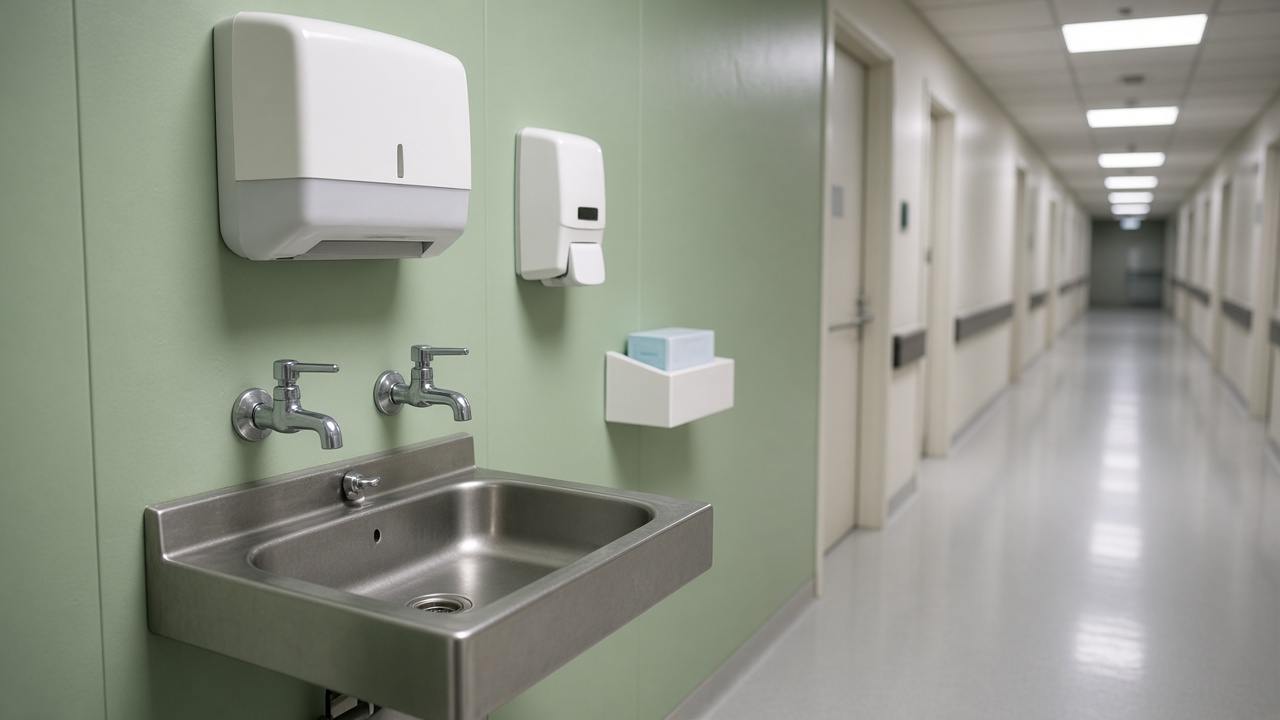
UK Health Security Agency officials urged parents to stick with soap and water this weekend as rotavirus laboratory reports ran 13.9% above the five-season average for late September and early October, even as norovirus remained within expected bounds.
The reminder matters because half-term travel peaks collide with school returns, giving enteric viruses more chances to move between households, hotels, and care homes. Alcohol hand gels work well for respiratory bugs but do little against rotavirus particles that survive on hard surfaces.
What the surveillance shows
In the agency’s 8 October winter bulletin covering weeks 39 and 40, norovirus reports were 9.8% below the five-season average, while rotavirus activity climbed relative to historic norms yet stayed inside expected seasonal bands. Hospital norovirus outbreak reporting also ran 19.2% below its five-season average since the 2025-26 season began.
Genotyping data continue to show norovirus GII.4 as the most frequent strain identified, a pattern familiar to infection-control teams. Rotavirus pressure on paediatric wards is the sharper half-term risk this year, clinicians said, especially for children not yet fully vaccinated.
Practical advice for families
UKHSA repeats NHS guidance: stay home 48 hours after vomiting or diarrhoea stops, avoid preparing food for others while symptomatic, and use bleach-based cleaners on bathrooms. Parents planning autumn breaks should pack oral rehydration sachets and check travel insurance for illness cancellations.
Care homes remain vulnerable despite lower norovirus outbreak counts, because a single introduced case can force ward closures. Visiting restrictions may return quickly if rotavirus admissions rise in nearby hospitals.
Vaccination backdrop
Infant rotavirus immunisation has reduced severe cases since the NHS introduced the programme, but breakthrough infections still occur and can spread in nurseries. GPs said appointment backlogs after half-term often delay catch-up jabs, extending vulnerability windows.
Flu and COVID-19 surveillance in the same bulletin showed baseline increases, with flu positivity at 6.5% in week 40. Hospitals are layering respiratory and enteric precautions simultaneously, stretching cleaning staff.
Why messaging returned now
Agency communications teams typically amplify hand-hygiene notes when schools reopen and laboratory reporting delays shorten. The next dedicated norovirus and rotavirus statistical release covering data to 18 October is scheduled for 22 October, which will confirm whether the rotavirus uptick persisted through the holiday week.
Until then, the public health ask is simple: wash with soap, isolate when sick, and keep sick children away from grandparents—the group most likely to need hospital fluids if dehydration sets in.
School nursing teams
School nurses returning from half-term said they are stocking extra oral rehydration salts in medical rooms because parents sometimes send children back before the 48-hour symptom-free window ends. Head teachers asked UKHSA for poster templates that explain the difference between cold symptoms and enteric illness.
Pharmacy chains said sales of oral rehydration powders ticked up in coastal towns popular for half-term breaks, a soft indicator nurses watch before hospital admissions rise. UKHSA asked pharmacies to display NHS 111 cards near checkout counters for parents unsure whether to seek urgent care.