Shinhan Card, KB Kookmin Card and Hyundai Card issued identical guidance Monday telling customers how to dispute Incheon storm-related airfare after 40 Sunday flights were canceled and 34 were delayed, with nine aircraft turning back mid-route as gusts peaked across the peninsula.
The issuers said cardholders should keep airline cancellation texts, boarding passes and weather advisories to support chargebacks filed within 14 days of the scheduled departure. Refunds to credit accounts typically post in five to ten business days once merchants accept liability, faster than debit reversals that require bank mediation.
What counts as a qualifying disruption
Airlines classified most Sunday cancellations as weather beyond carrier control, which normally limits cash compensation but still allows full fare refunds to the original form of payment. Card networks treat undisputed refunds as merchant credits; when airlines stall, issuers can provisional-credit accounts after documentation review.
Shinhan’s notice singled out codeshare tickets bought on Korean cards but operated by partners, a common pain point when foreign operators delay refund files. KB told customers to escalate if no merchant credit appears within 30 days, triggering network dispute rules.
Lounge and package add-ons
Card-linked lounge visits and duty-free vouchers purchased as bundles are not always auto-refunded when flights cancel. Hyundai Card said it will manually reverse lounge fees if customers never entered terminals, using Incheon gate logs that carriers share overnight.
Travel insurance riders sold at checkout may cover hotel stays when passengers were stranded in Seoul, but card issuers stressed those claims go to insurers—not chargeback desks—unless the premium was billed incorrectly.
Debit and prepaid pitfalls
The Financial Consumer Agency reminded travelers that debit cards lack the same chargeback protections as credit lines. Customers who paid with prepaid travel wallets must pursue airlines directly first; only unauthorized charges—not weather—triggers guaranteed wallet reversals.
Foreign-exchange fees on overseas segments are refundable only when the underlying ticket refunds in full, a detail that often surprises buyers who booked multi-city itineraries through online agencies.
Call-center load
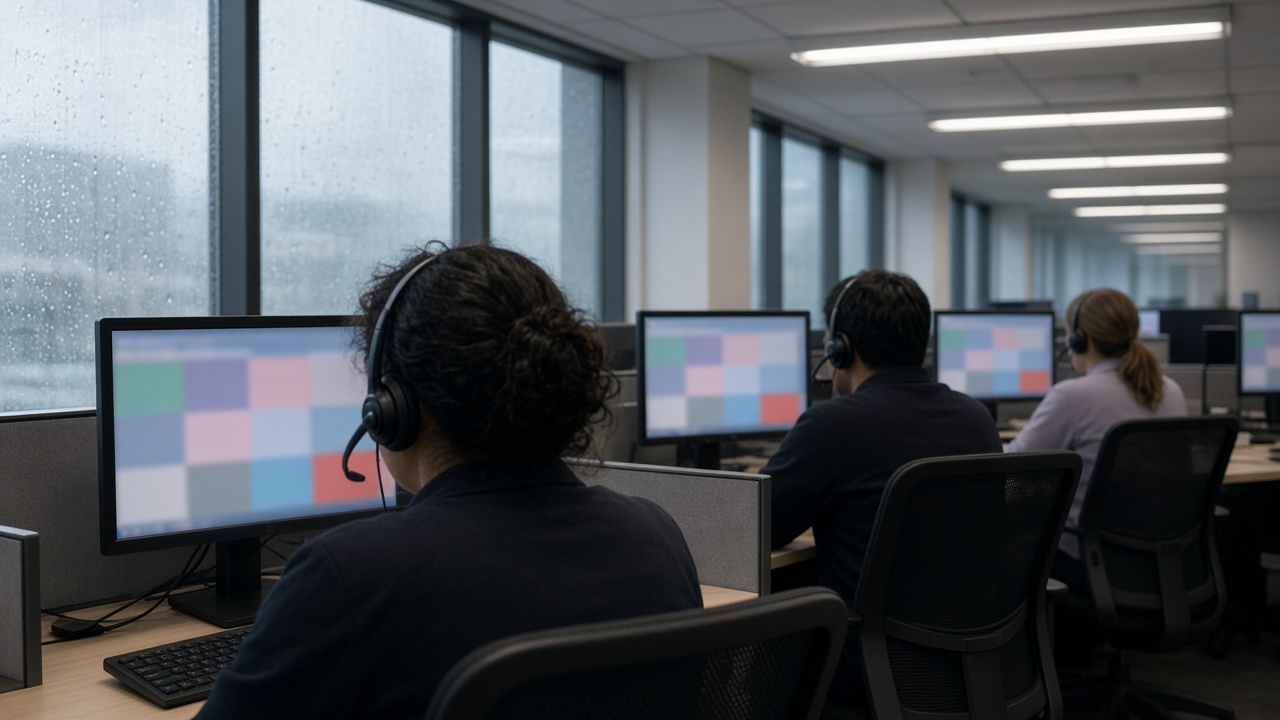
Issuers extended call-center hours through Tuesday after wait times exceeded 20 minutes Sunday night. Chatbots now surface Incheon-specific FAQ trees after users type “storm” in Korean or English, reducing repeat questions about documentation.
Merchants complained that provisional credits squeeze airline cash flow during mass cancellations, but card executives said network rules leave little discretion when customers upload municipal weather alerts matching flight timestamps.
Checklist for travelers
Save PDF receipts, screenshot airline apps showing cancellation codes, and note whether carriers rebooked you without consent—an issue that can convert a weather event into a service dispute. If rebooked flights depart days later, ask whether fare differences are waived in writing before accepting.
With Monday skies clearing over Seoul, chargeback desks expect a second wave when business travelers realize corporate cards paid for unused meetings. The 14-day window is short; issuers will not bend it for customers who wait until credit-card statements close.
Corporate travel desks
Large employers with centralized T&E accounts asked issuers for batch dispute files covering hundreds of Incheon cancellations, a workload that will extend call-center queues even after weather clears. Shinhan said corporate portals can upload CSV manifests starting Tuesday, reducing phone volume for HR teams rebooking Monday meetings.
Mileage accrual disputes are separate from fare refunds: carriers typically restore miles when flights cancel for weather, but posting delays frustrate frequent flyers tracking year-end status tiers. Issuers advised customers to screenshot loyalty balances before accepting rebooked itineraries.