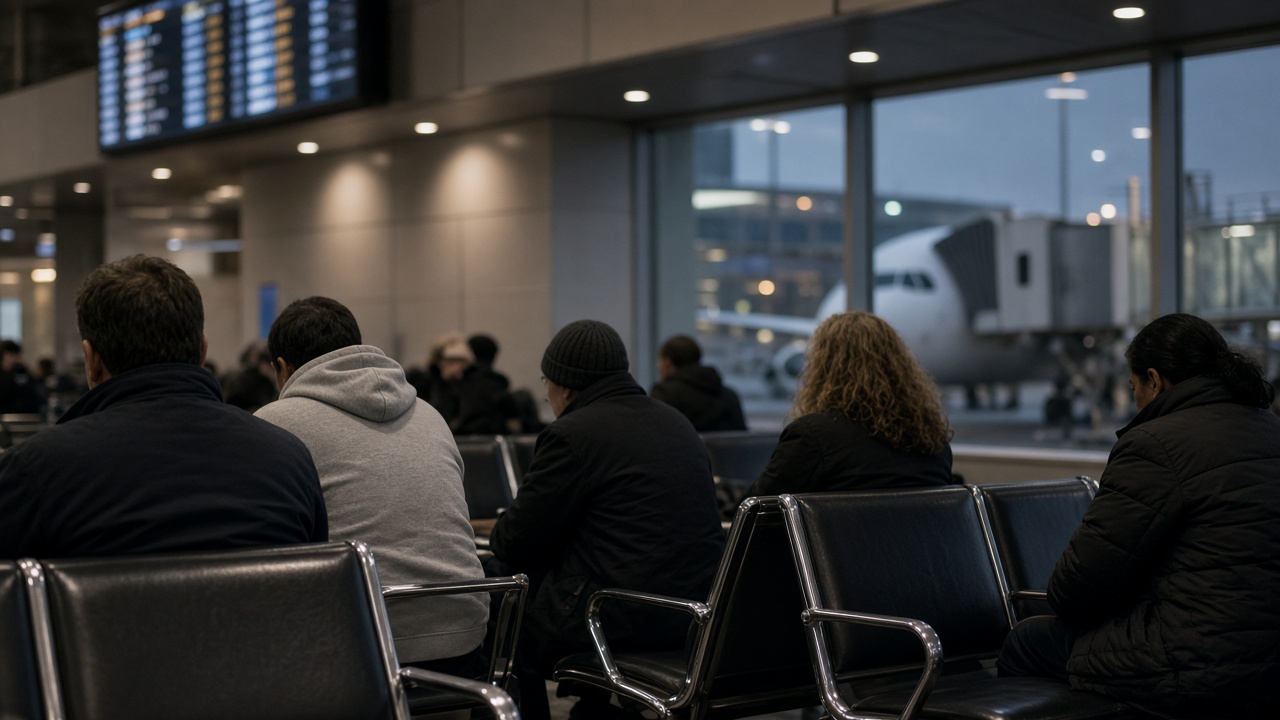
The U.S. Department of Transportation reclassified how airlines report certain flight disruptions starting Monday, Oct. 19, shifting ten delay and cancellation causes into a new federal bucket that carriers argue they cannot control.
What moved out of the carrier column
The FAA Reauthorization Act of 2024 required DOT to revisit attribution rules. Under the Oct. 19 policy, incidents such as aircraft cleaning after an onboard death, extreme-weather damage, baggage-system outages beyond airline control, cybersecurity attacks when carriers meet federal cyber rules, unexpected government IT failures, emergency medical diversions, removal of unruly passengers, and airport closures from volcanic ash or wind shear will be tracked under a new “Section 511(b)” category instead of being blamed on the airline.
DOT says the change makes public data match operational reality. Aviation lawyers at Crowell & Moring described it as a win for carriers tired of seeing reputational hits for storms or federal outages they cannot fix.
What passengers might notice
Federal statistics drive congressional scrutiny and some airline customer-service policies, even though DOT’s separate automatic refund rule for canceled flights remains on the books. With fewer delays labeled airline-caused, travelers may see fewer voluntary meal or hotel vouchers in situations airlines can now classify as outside their responsibility—particularly lengthy weather or cyber events.
Your ticket contract still governs compensation. If an airline promises cash refunds for cancellations, that commitment survives the reporting tweak. Carry travel insurance if you connect through winter hubs, and screenshot delay announcements; the category change affects how DOT publishes blame, not whether you can file a consumer complaint at transportation.gov.
Other airport policy notes
TSA’s Gateside PreCheck program, which lets approved non-travelers use PreCheck lanes at select airports, rolled back a brief expansion this month and remains limited to 13 airports while the agency reviews operations. That is separate from Monday’s DOT reporting change but matters for families meeting passengers at the gate. Check tsa.gov before planning a send-off inside security.
How DOT publishes delay blame today
Airline on-time statistics feed the Bureau of Transportation Statistics dashboards travelers consult when picking carriers. When a thunderstorm grounds departures at Dallas-Fort Worth, the legacy methodology often tagged those minutes as carrier delays even though ramp agents cannot clear weather. Carriers argued the data unfairly hurt their rankings and, by extension, corporate contract negotiations.
Moving weather damage, cybersecurity incidents, and government IT outages into Section 511(b) does not delete the delay from your itinerary—it only changes the federal label. Consumer advocates worry the reclassification could weaken pressure on airlines to staff adequately during irregular operations because fewer disruptions will count against them in public scorecards.
Refunds versus goodwill gestures
DOT’s separate automatic refund rule still requires cash back when airlines cancel flights or change schedules drastically, regardless of how the delay is coded internally. Vouchers for meals and hotels remain voluntary unless your fare class or loyalty status guarantees them. Travelers stuck overnight should still ask for hotel coverage, document the agent’s response, and file a complaint if an airline cites the new category to deny help.
Business travelers should alert corporate travel desks that expense policies may need updating: a delay coded as weather might not trigger the same automatic stipend as a mechanical delay under some company handbooks. Updating internal travel guides now prevents finance teams from rejecting receipts after the holiday rush.