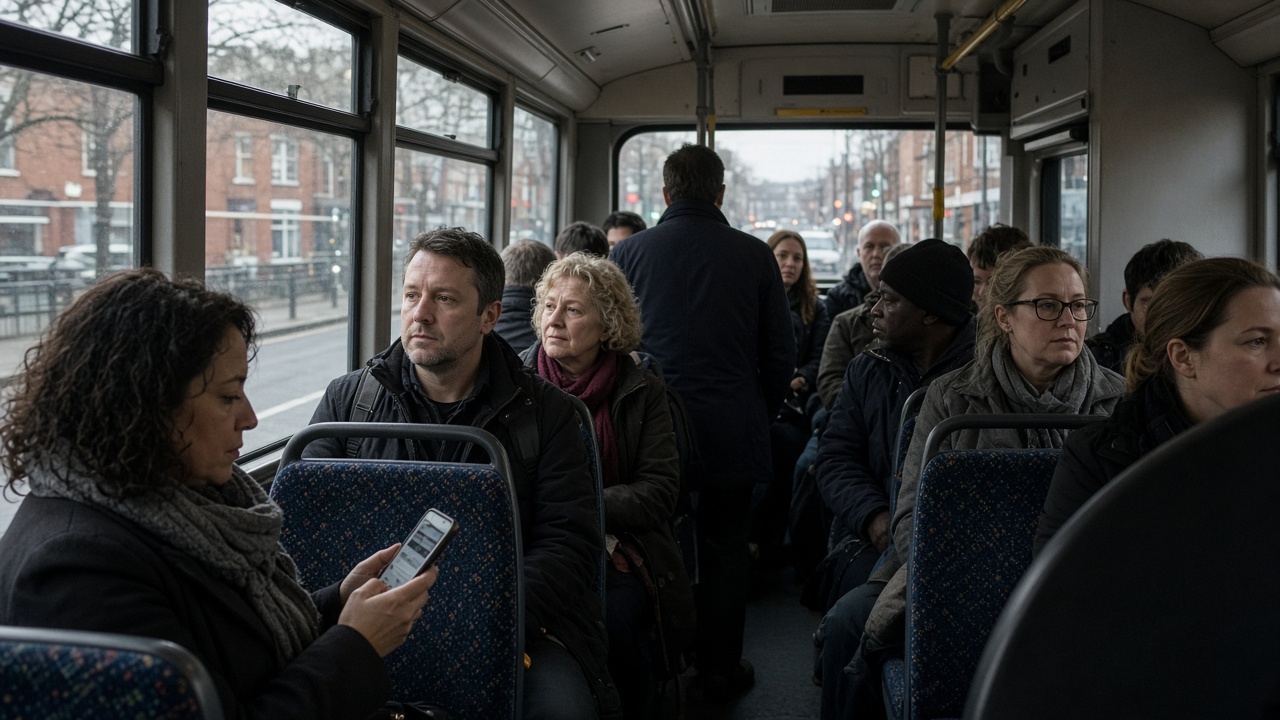
Passengers who blast music or videos on English buses could be fined up to £100 under powers the government is urging councils to use, part of a wider push against antisocial behaviour on public transport that also includes a new national campaign on trains.
Transport Secretary Heidi Alexander said small changes in conduct "can make a massive difference to people's experience on public transport," while Prime Minister Andy Burnham acknowledged the irritation of sitting near someone who "starts blasting music or videos from their phone." The bus fines rely on powers introduced earlier this year that still require local authorities to adopt rules and secure the transport secretary's sign-off before they take effect.
How bus enforcement would work
Under the guidance published on Monday, authorised officers—not drivers—would issue fixed penalties for offences including loud audio, littering, vaping and threatening behaviour on buses in England. Drivers have long been told not to confront passengers; instead, transport safety officers and police would handle incidents.
The £100 cap sits well below the £1,000 maximum that already applies on some rail routes when passengers refuse a lawful request to stop disruptive audio. Government officials stressed that councils choose whether to activate the bus powers, meaning passengers in neighbouring cities could see different enforcement styles.
Rail campaign and existing friction
Alongside the bus measures, ministers are rolling out a nationwide "share the carriage, not the noise" message across operator websites, social media and in-carriage posters. The aim is to replace what officials call a patchwork of operator-specific warnings with one consistent standard on England's franchised network.
Industry polling has tracked the annoyance for years. Transport for London, Ofcom and YouGov surveys cited by ministers show large majorities object to so-called loudcasting or sodcasting—playing media through phone speakers without headphones. Transport Focus told the BBC in June that four in ten passengers said antisocial behaviour had made them feel vulnerable while travelling.
Reactions from unions and campaigners
TSSA general secretary Maryam Eslamdoust welcomed action on abuse and nuisance behaviour but, like several passenger groups, questioned how often fines would actually be issued without more visible staffing. Campaigners noted that many disruptive incidents happen on late services where only a driver is present, even if drivers are not meant to collect penalties themselves.
For commuters, the immediate change is messaging rather than a nationwide penalty blitz: councils must still adopt the bus rules, and rail operators must fold the new creative into their existing information screens. Ministers argue that setting expectations—and giving local authorities a financial lever—may be enough to shrink the minority of journeys spoiled by speakers at full volume.
Operators including Transport for London already ban audible playback without headphones on parts of the network; Monday's package is an attempt to extend similar norms to buses and to make enforcement paths clearer outside the capital.