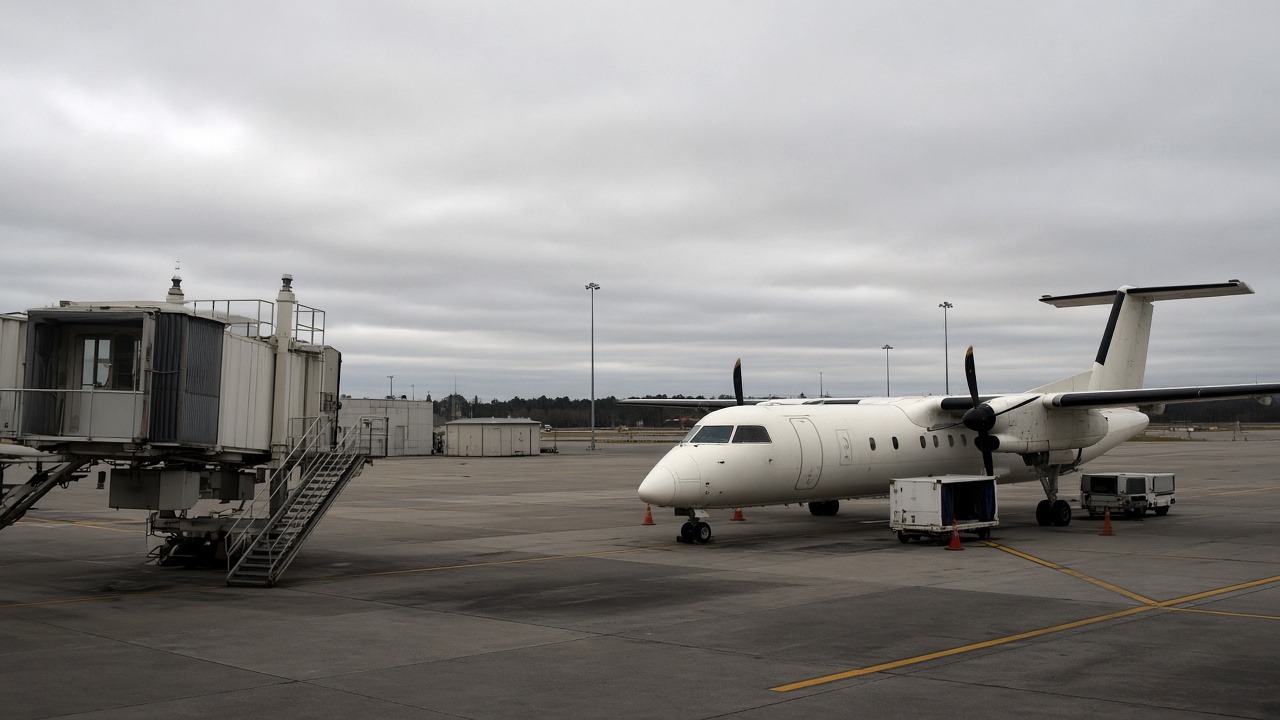
Malaysia’s Firefly airline extended flight cancellations between Subang and Seletar through 19 October, marking a tenth consecutive day without service on a route popular with business travellers who prefer the smaller airports over Changi and Kuala Lumpur International.
In a website notice, Firefly listed six daily pairs of flights in each direction cancelled from 17 to 19 October. Affected passengers may be reallocated to Malaysia Airlines services from Kuala Lumpur to Singapore where seats exist, or receive full refunds if they decline the alternative.
The Straits Times reported the carrier had repeatedly extended an initial Oct 10–12 halt as visibility and air quality fluctuated. Singapore’s 24-hour PSI first entered unhealthy territory for 2026 on 4 September, according to NEA, and has remained elevated through October.
Tech and travel desk angle
Seletar’s appeal is time saved on both sides of the causeway, not luxury lounges. When the turboprop link drops, commuters fall back to KL-mainline flights, private cars, or delayed meetings. Ride-hailing and rail tickets spike on the same days NEA warns of Sumatra smoke — a planning headache for fintech teams and sales staff who optimised around 45-minute hops.
Airlines have not published a computer-modelled restart date. Passengers should monitor Firefly’s site rather than third-party aggregators, which sometimes still sell seats on grounded rotations.
Broader aviation context
Changi operations continue, but regional carriers face crew and aircraft positioning costs when networks fragment. If haze persists into the east-south-easterly wind shift NEA flagged for late Tuesday, Kalimantan smoke could test mainline airports too, not only Seletar’s shorter runways.
Corporate travel desks
Travel managers who booked Subang–Seletar hops for factory visits now buffer an extra hour for KL–Changi transfers. Visa-free transit rules still apply, but lounge access does not help if the first leg never departs.
Seletar’s general aviation cluster also hosts charter operators; haze minimums affect them too, though Firefly’s scheduled cancellation is the visible consumer pinch.
Malaysia Airlines rebooking depends on seat inventory on trunk routes. Peak Monday morning departures fill quickly when an entire turboprop schedule vanishes for ten days.
Insurance policies on cancelled legs vary: some travel cards cover haze only when airlines classify the disruption as weather-related. Passengers should keep Firefly’s written cancellation notice for claims, and check whether replacement KL–Changi tickets trigger separate baggage rules.
Ground handlers at Seletar said Monday schedules remained fluid pending NEA’s evening haze update, leaving corporate shuttles on standby rather than pre-booking kerbside pickups.