A Florida judge signed a state arrest warrant on Monday charging former Cuban president Raúl Castro with conspiracy to commit first-degree murder over the 1996 shootdown of two civilian aircraft flown by the Miami-based group Brothers to the Rescue, moving a three-decade-old case from federal indictments into an active state prosecution that Havana immediately denounced as election-season theater.
What the warrant alleges
Chief Judge Ariana Fajardo Orshan of the Eleventh Judicial Circuit approved the warrant at the request of Attorney General James Uthmeier and the Florida Department of Law Enforcement. The charging document accuses Castro, who was Cuba’s defense minister and first vice president at the time, of joining a command decision that authorized Cuban MiG fighters to destroy two unarmed Cessna aircraft on Feb. 24, 1996, killing pilots Carlos Costa, Pablo Morales, Mario de la Peña and Armando Alejandre Jr.
State prosecutors say the conspiracy included intelligence work inside Florida. An affidavit cited in the warrant describes Cuban Directorate of Intelligence agents linked to the Wasp Network in Miami-Dade and Monroe counties who infiltrated Brothers to the Rescue, reported flight plans and supported an operation code-named Escorpión. The planes had departed Opa-locka Airport and, according to the filing, were south of the 24th parallel and outside Cuba’s territorial waters when they were hit with air-to-air missiles without warning, even after contact with Havana air traffic control.
How this differs from the federal case
The U.S. Justice Department unsealed a federal indictment against Castro and five others in May, alleging murder, destruction of aircraft and conspiracy to kill U.S. nationals. Monday’s state warrant adds a parallel track under Florida homicide statutes, with the Office of Statewide Prosecution asserting jurisdiction because elements of the plot allegedly unfolded in South Florida circuits. The court set no bond on the first-degree felony charge.
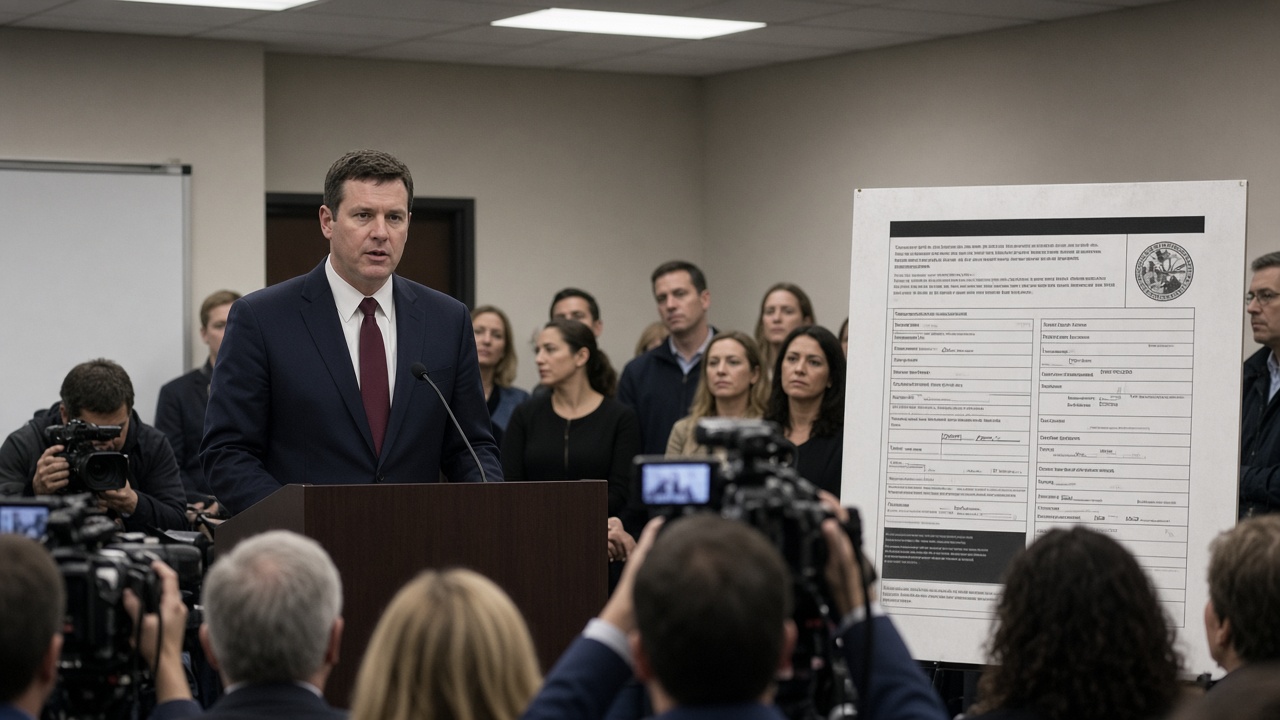
Uthmeier, who directed prosecutors last year to reopen the investigation, said at a news conference that Florida would keep pursuing accountability for the four victims. Castro, now 95 and long retired from Cuba’s presidency, remains on the island; practical extradition is unlikely, but the warrant creates a formal legal record and could complicate travel or asset questions tied to the case.
Havana’s response
Cuban President Miguel Díaz-Canel condemned the warrant on social media as a “pathetic Miami circus” with an electoral backdrop, saying it had no legal or practical effect. He said the move was a pseudo-legal maneuver by anti-Cuban politicians aimed at justifying the U.S. economic embargo. Cuban state media echoed that message, framing the charge as aggression against a revolutionary leader still defended by the island’s government.
What happens next
Florida officials said the case remains open and further charges are possible as investigators continue to map the conspiracy. Brothers to the Rescue had been dropping leaflets and assisting rafters; the shootdown shocked Miami’s Cuban exile community and hardened U.S.-Cuba relations in the 1990s. For now, the immediate effect is diplomatic noise and a renewed spotlight on whether state courts can prosecute foreign leaders for acts planned abroad but tied to victims and conduct in Florida.