Arrangers repriced yen and dollar bonds for Japanese data-center campuses this weekend after U.S. AI-infrastructure debt drew hedge-fund sellers, forcing developers in Inzai, Osaka, and Fukuoka to accept wider spreads or delay tranches tied to GPU-ready halls. Haruto Suzuki’s technology desk says the move is the credit-market echo of the equity selloff: lenders now ask whether hyperscaler leases alone support highly leveraged shells when power costs rise and foreign tenants hedge yen exposure.
What triggered the repricing
Global funds dumped corporate paper linked to cloud and AI build-outs as questions surfaced about cash-flow coverage on project-finance stacks. Japanese issuers—often REIT-sponsored operators with long-term land leases and utility interconnections—had been marketing notes with tight spreads while Tokyo equity investors chased AI real estate stories.
Bookrunners now embed wider new-issue concessions and stricter covenants on debt-service coverage, according to syndicate desks that briefed institutional clients on Sunday calls. Some pipelines shifted from public benchmarks to private placements with shorter tenors.
Japan-specific project risks
Kanto’s Inzai corridor benefits from fibre diversity and earthquake codes, but grid capacity is finite; METI’s permit desks have grown selective about waterfront and suburban campuses. Osaka’s bay-area projects compete with semiconductor fab power demand, while Fukuoka pitches cable landing advantages to Asian cloud regions.
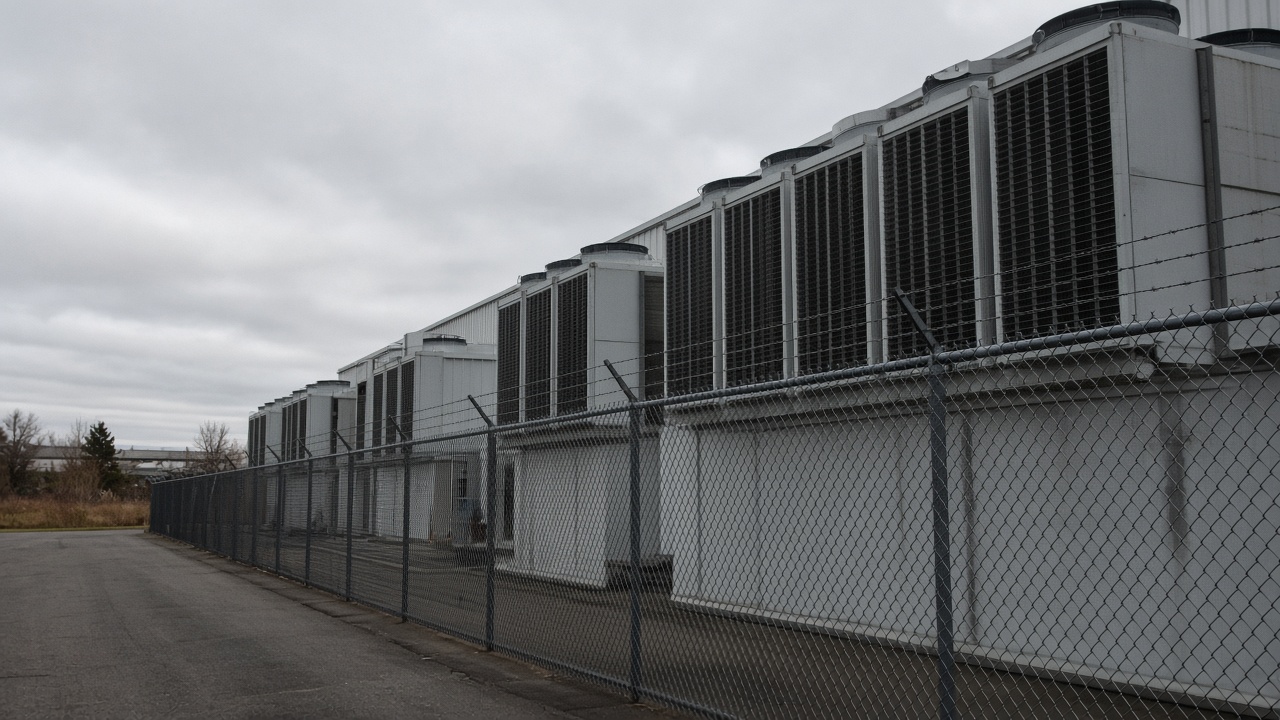
Developers must show committed megawatts, not just shell buildings. Bond investors increasingly request independent engineer reports on cooling redundancy after summer heat stressed chiller fleets across the region.
Currency mismatch
Dollar-denominated notes remain popular when tenants invoice in U.S. dollars, but a weak yen raises local opex in yen terms while debt service stays dollar-linked. Hedging costs climbed with BOJ rate hikes, nibbling at spreads that looked generous six months ago.
Some sponsors explore samurai structures with foreign tenant guarantees; others slow phase-two expansions until lease-up crosses thresholds that rating agencies demand for investment-grade tags.
Equity and REIT knock-on
Listed data-center REITs that fund growth with perpetual securities may see issuance costs rise in tandem with corporate bonds. Retail investors who bought yield products marketed as “AI infrastructure” face mark-to-market swings if NAVs fall on spread widening—even when rent rolls remain current.
What tenants are saying
Cloud and telecom operators privately reassure landlords that multi-year leases stay binding, but procurement teams delay optional capacity blocks pending vendor balance-sheet reviews—mirroring the GPU rack pauses reported on the AI desk. That hesitation feeds back into bond roadshows as underwriters stress-test vacancy scenarios.
Grid and permitting backlog
Utilities in Chiba and Ibaraki told developers that new substation upgrades may slip into 2028 unless national grid reinforcement budgets accelerate. Bond covenants increasingly reference interconnection dates, not just construction completion—another reason arrangers widened spreads when U.S. credit tremors hit.
Local residents near Inzai have raised noise complaints about generator testing; sponsors now budget community payments that show up in offering memoranda as recurring opex rather than one-time gifts.
Rating-agency questions
Domestic rating analysts asked sponsors for tenant concentration tables showing what percentage of rent comes from a single hyperscaler contract. Several issuers added sensitivity analyses assuming a 200-basis-point spread widening and a six-month lease renewal delay—scenarios that would have looked extreme a year ago but now appear on roadshow slides as standard stress tests.
Insurance brokers also raised premiums on construction all-risk policies for campuses near coastlines, feeding into total cost of capital calculations bond committees review before approval.
Secondary trading in recently priced notes showed bid lists thinning as mutual funds marked down AI-adjacent credit exposures alongside equities.
Arrangers said roadshows will resume after U.S. credit volatility subsides, but covenants will stay tighter than the spring pipeline.
Bottom line
Japanese data-center bond spreads widened as global AI debt sold off, forcing developers to pay more for power-heavy campuses or slip issuance into private markets. Until credit stabilises abroad, Tokyo’s digital real-estate boom will be financed more conservatively—even if land and fibre advantages remain intact.