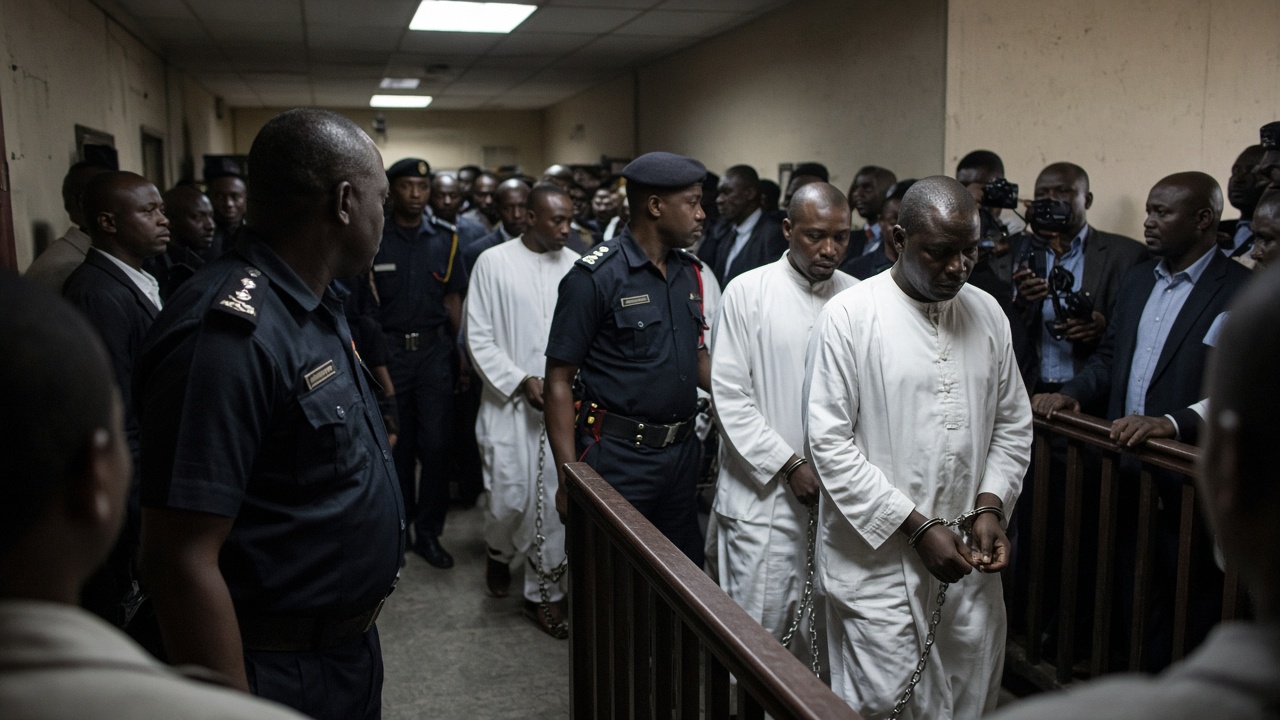
A Kenyan judge on Monday convicted self-proclaimed pastor Paul Mackenzie and 28 co-defendants of murdering 191 people—190 children and one adult—in the Shakahola forest starvation case, closing a prosecution that became one of East Africa’s most closely watched trials since mass graves were uncovered in Kilifi County in 2023.
What the court ruled
Justice Diana Kavedza of the High Court in Mombasa said prosecutors had proved each of the 191 counts under Kenya’s Penal Code. She dismissed the defence argument that victims, almost all younger than 16, had voluntarily fasted to death as part of religious observance.
“I am satisfied that the prosecution has proved the case against all the 29 accused persons,” Kavedza said, according to court reporting from Capital FM and the Daily Nation. One defendant pleaded guilty on his own plea earlier in the proceedings; the remainder were convicted after trial.
The verdict covers a narrower docket than the wider Shakahola tragedy, in which investigators have linked more than 400 deaths to Mackenzie’s Good News International Church and extreme fasting orders in the coastal forest. Monday’s judgment focused on victims whose deaths were charged as discrete murders rather than the full toll exhumed from shallow graves.
From forest graves to a national reckoning
Police and forensic teams began recovering bodies from Shakahola in April 2023 after tip-offs that followers were starving under Mackenzie’s direction. Television images of children’s remains stacked in clearing sites shocked Kenya and prompted President William Ruto to vow a crackdown on rogue preachers.
Mackenzie, who portrayed himself as a televangelist, had urged congregants to await an apocalypse and reject medical care, prosecutors said. Families told investigators they lost contact with relatives who sold property and moved to the forest encampment.
The court separately heard evidence that Mackenzie radicalised followers through extremist teachings contributing to hundreds of additional deaths, according to Capital FM’s summary of the judge’s findings. That broader finding sits alongside the 191 murder convictions returned Monday.
Sentencing and victims’ voices
Kavedza scheduled sentencing for Friday, 6 November, and ordered convicts produced in open court. Probation officers must file pre-sentence reports by 30 October, after which defence teams may present mitigation.
The judge said 68 victim impact statements had already been collected nationwide. Parents of missing children have packed public galleries during months of hearings in Mombasa, and Monday’s session drew photographers as Mackenzie stood in the dock in church attire.
What happens next
Murder convictions in Kenya can carry life imprisonment or death, although capital punishment has not been carried out in years. Mackenzie still faces additional charges tied to terrorism financing and other Shakahola-linked deaths, meaning Monday’s verdict is a milestone rather than the final courtroom chapter.
Interior Ministry officials have promised tighter oversight of churches, but critics say registration rules remain loose enough for charismatic leaders to build followings before authorities intervene. For now, the state’s immediate task is to convert convictions into sentences while continuing exhumations and identifications in Kilifi.