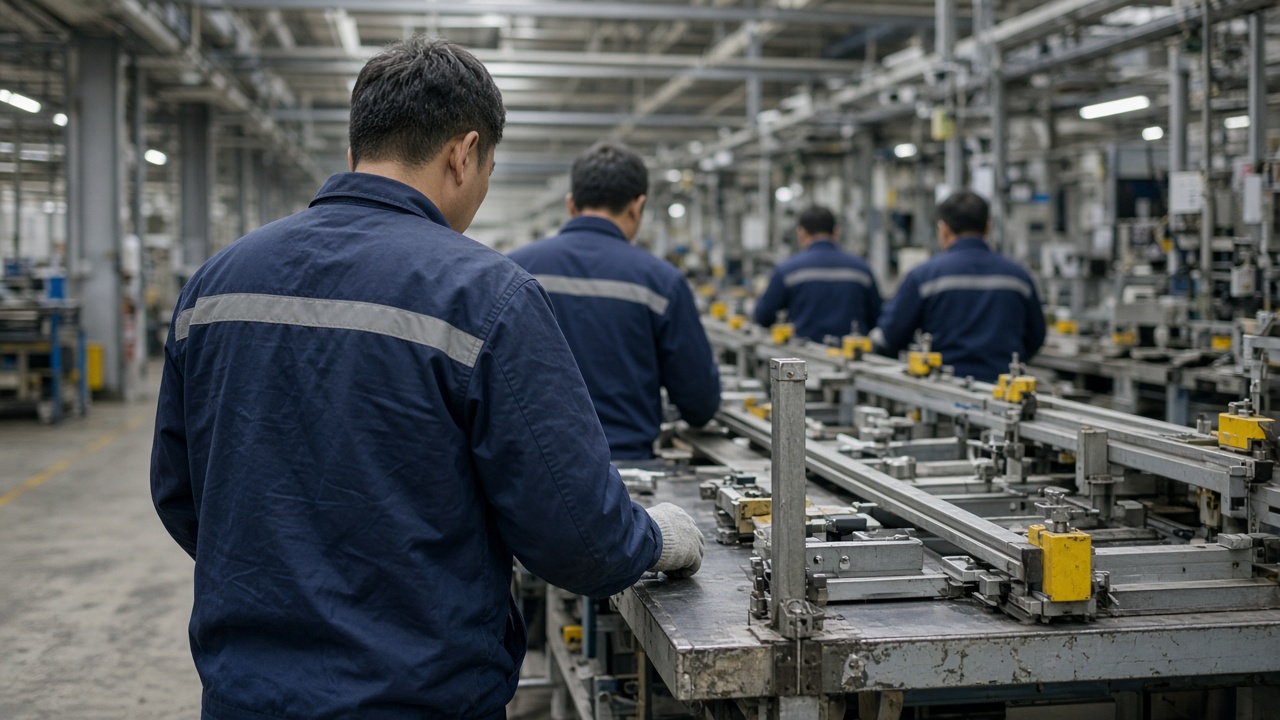
Metal and food processors in Niigata granted extra paid time off and staggered shifts as early-season influenza drove factory absenteeism above the five-year October average, with some night lines reporting double-digit vacancy rates. Hana Inoue’s health desk says employers are copying lessons from 2025’s late surge—acting before prefectural clinics overflow, not after lines stop.
Shop-floor numbers
Three large manufacturers surveyed by local media acknowledged absentee rates between 12 and 18 percent on overnight shifts last week, well above their October norms. Precision parts plants cannot easily run with skeleton crews; one stainless mill slowed rolling schedules and paid overtime to healthy workers while offering paid leave to those with feverish children at home.
Food packers face stricter hygiene rules, sending symptomatic staff home even when production targets loom for export orders.
Public-health backdrop
National surveillance logged an unusually early flu season, with school closures climbing in week 41 across multiple regions. Niigata’s mix of aging workers and multi-generational households amplifies transmission when pupils bring viruses home to parents on factory rosters.
Vaccination uptake among working-age adults remains lower than among seniors; employers arranged on-site shot clinics during day shifts to reduce friction.
Policy and school links
Education ministry guidance encourages blended learning when classrooms close; parents without childcare lean on paid leave policies that many Niigata firms expanded this month. Unions asked for clarity on whether emergency PTO counts toward annual bonuses—a detail still negotiated plant by plant.
What hospitals see
Prefectural hospitals report stable ICU capacity but rising outpatient visits for influenza A symptoms. Antiviral stocks are adequate, according to wholesaler statements, though rural clinics warn about delivery delays on weekends.
Supply-chain knock-on
Automotive tier-two suppliers downstream of Niigata stainless output warned customers of two-day delays on precision shaft orders. Logistics firms added temperature-controlled trucks for vaccine deliveries to rural clinics serving factory towns, keeping immunisation campaigns on schedule even as assembly lines throttled.
Worker protections
Labour inspectors reminded plants that fever screening at gates cannot substitute for paid sick leave; several firms adopted stay-home points that do not count against annual leave balances. Night-shift nurses contracted by corporate clinics reported higher telehealth consult volumes as employees sought antiviral prescriptions before shifts started.
Bottom line
Niigata factories bought stability with extra PTO and staggered shifts as October absenteeism beat five-year averages in an early flu season. If national week-42 data worsen, the pattern will spread to other industrial prefectures before year-end shipping peaks.