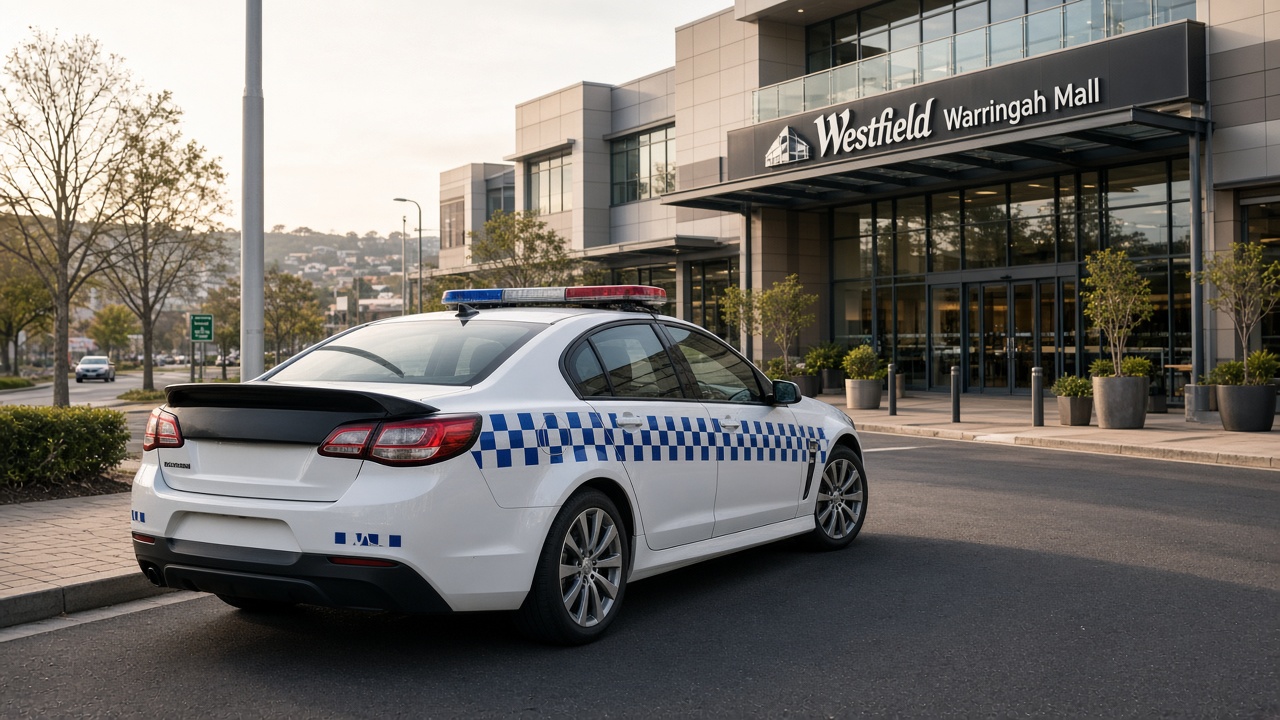
NSW Police Cybercrime Squad Commander Matthew Craft warned Sydney residents on Monday not to send gift-card PINs to callers posing as medical staff or long-lost friends, after metropolitan commands logged multiple losses topping $7,000 in September and October.
Optometrist ruse in Ryde
In one incident investigated by Ryde Police Area Command, a 54-year-old woman received a message on an online platform from someone claiming to be her optometrist confirming an appointment. The next day a follow-up call instructed her to buy post-office gift cards and photograph the PINs. She sent codes worth about $7,000 before the clinic's real number went unanswered.
Detectives said the scammer knew enough scheduling detail to appear legitimate—a pattern matching Victorian AI-doctor cases but without confirmation of voice cloning in this file.
Auburn 'friend' variant
Auburn officers are investigating a 63-year-old man who bought supermarket gift cards after a caller impersonated an old friend. PINs for roughly $9,000 were relayed before the man realised the voice did not match anyone he knew.
St George Police Area Command separately handled a case in which a 72-year-old bought about $9,000 in cards after a fake doctor's call on the day of a real appointment; relatives stopped him after $7,000 in codes had already been sent.
Police advice
Craft said scammers exploit trust in medical professionals and multicultural communities. He urged victims to hang up, verify through a trusted in-person contact, and report to police immediately rather than feeling embarrassed.
NSW Police recommend searching official websites for clinic phone numbers instead of calling back numbers supplied by strangers. The National Anti-Scam Centre can log attempts even when money has not been lost.
Retail and telco role
Post offices and supermarkets have trained staff to flag elderly customers buying stacks of cards, but privacy rules limit how far clerks can intervene. Telcos face pressure to block spoofed SMS sender IDs used to prime victims before voice calls.
With Victorian and NSW warnings overlapping, federal agencies are considering a coordinated Mandarin-language campaign ahead of Lunar New Year shopping peaks.
Until then, Craft's message is unchanged: gift cards are for gifts, not for paying imaginary medical bills.
Further context
Analysts watching the sector said Monday's developments should be read alongside Canberra's wider economic agenda, including energy costs and household budgets that dominate talkback in Sydney and Melbourne. State governments are simultaneously rolling out infrastructure pipelines that depend on stable capital markets, so any signal from listed companies or regulators ripples through procurement offices and council finance teams.
Investors with self-managed super funds told brokers they are keeping more cash on hand until the Reserve Bank's November decision, wary that oil-linked inflation could delay rate relief. That caution shows up in trading volumes on the Australian Securities Exchange, where midday turnover often trails the morning futures impulse once offshore cues fade.
Consumer advocates urged households to verify official guidance on government websites rather than relying on social media summaries, a reminder that policy detail still moves through formal channels even when headlines move faster on phones.