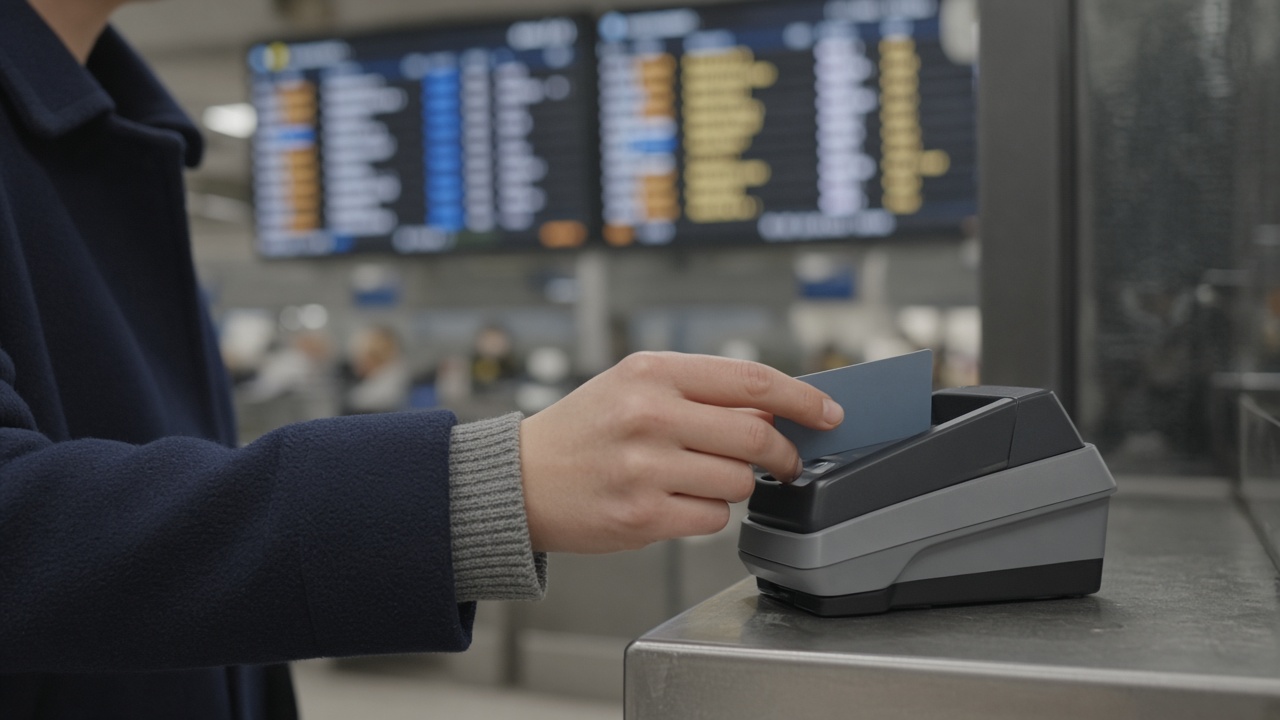
PayPay Card and Mitsui Sumitomo Trust Card posted updated overseas-settlement notices this weekend as the yen hovered near 158 per dollar, walking holders through dynamic currency conversion prompts that can add hidden markups when shoppers choose local currency at foreign terminals. Yuki Sato’s credit-cards desk treats the bulletins as a seasonal reminder with real money at stake: weak-yen periods amplify the spread between issuer rates and merchant-side conversion tables.
What dynamic currency conversion does
When a cardholder pays abroad, the terminal or ATM often asks whether to bill in the local currency or in yen. Selecting local currency routes the transaction through a third-party converter that sets its own exchange rate and fees on top of network charges. Issuers say yen billing—when available—typically uses the card network’s wholesale rate plus the bank’s disclosed foreign-transaction fee, which is easier to compare against app quotes.
PayPay’s refresh highlights an in-app toggle that defaults to yen settlement where the network supports it, while Mitsui Sumitomo Trust’s FAQ reiterates that ATM withdrawals should use the “yen” option on the receipt screen to avoid DCC markups that can exceed 3 percent on top of stated fees.
Why issuers speak up now
Autumn travel to Asia and year-end shopping for imports both spike when school holidays overlap with a weak yen. Card divisions track chargeback disputes tied to confused currency prompts at hotels and duty-free shops. With the Bank of Japan normalising rates slowly, issuers also want to pre-empt complaints that customers pay both higher revolving interest at home and punitive FX spreads abroad.
Regulators have not banned DCC; instead, the Consumer Affairs Agency encourages plain-language disclosures at checkout. Issuers compete on transparency because PayPay, Rakuten, and bank-affiliated cards fight for the same frequent-traveler niche.
Fee tables worth comparing
Most Japanese general-purpose cards charge a foreign-transaction fee between 1.63 percent and 3.63 percent depending on co-brand and metal tier. Metal cards sometimes waive the fee but compensate with higher annual charges. Sato’s comparison sheet for readers: check whether the fee applies to digital wallets linked to the card, whether ATM withdrawals use a separate cash-advance rate, and whether contactless transit purchases abroad bypass DCC prompts.
Corporate cards issued by trading houses often negotiate bulk FX spreads; consumers rarely get that treatment unless they hold private-banking products.
Digital wallet caveats
PayPay’s ecosystem blurs lines between stored-value balances and credit lines. When users link a credit card for overseas QR payments, conversion may follow the wallet’s rules—not the plastic’s DCC screen. The updated notices tell users to confirm which funding source is active before scanning overseas merchants that display yen amounts dynamically converted from local prices.
Revolving risk at home
Weak-yen travel bills hit statements weeks after trips, sometimes pushing balances into revolving tiers just as issuers adjust promotional rates. MUFG Nicos and other lenders already telegraphed October term resets on high APR tiers; adding FX markups increases the effective cost of vacation spending.
Pay-down strategies—using bank FX apps to prepay in yen where supported—remain niche but growing among students studying abroad.
Accountant checklist for SMEs
Tax accountants circulated weekend memos telling clients to photograph terminal receipts when abroad, noting whether yen or local currency was selected. That paper trail speeds dispute resolution if issuers challenge charge amounts. Firms with employees on long-term overseas assignments should standardise corporate card policies rather than allowing personal PayPay links for reimbursement.
Issuers also noted that contactless transit purchases abroad may bypass DCC prompts entirely, routing through separate acquirer agreements that still hit foreign-transaction fees on the statement.
Bottom line
PayPay Card and Mitsui Sumitomo Trust Card reissued DCC opt-out guidance as yen weakness near 158 magnifies overseas markup risk. Travelers who tap “yen” at terminals and read in-app defaults can avoid double-charging; those who accept local currency without checking the rate often fund the merchant’s converter instead of their issuer’s table.