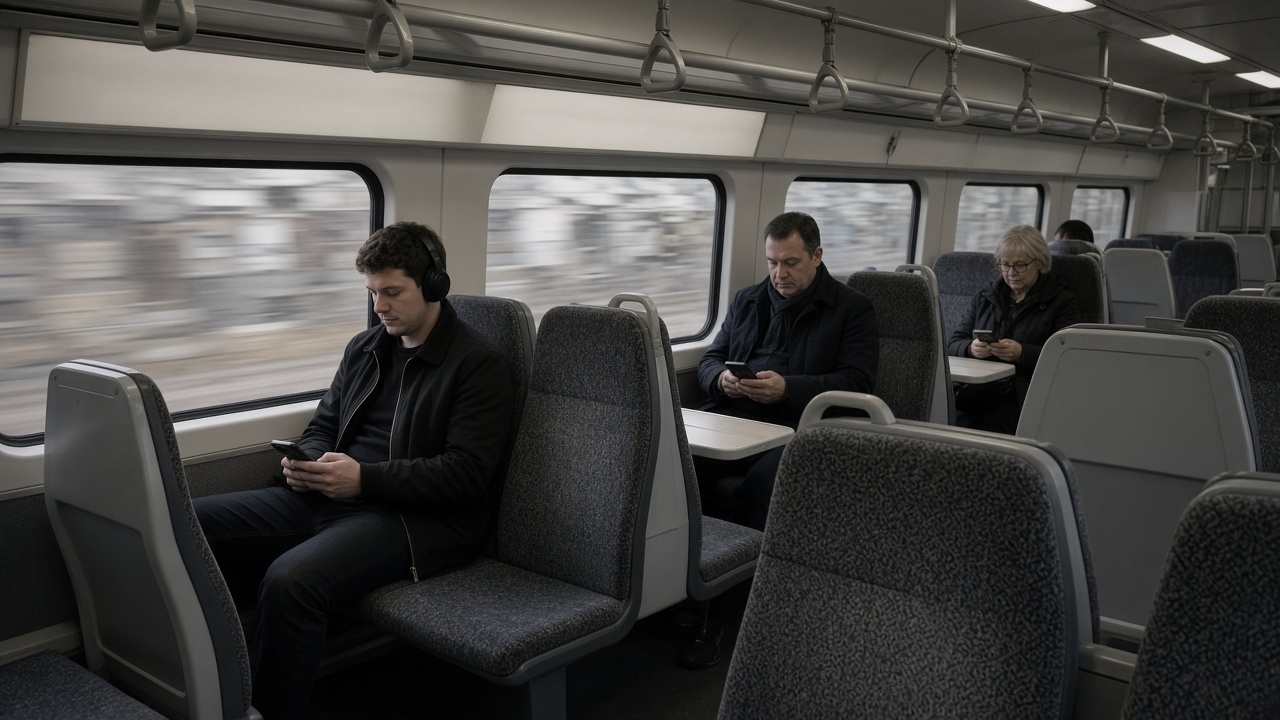
Train operators will roll out a national "share the carriage, not the noise" campaign across websites, social channels and in-carriage screens, replacing the patchwork of local reminders that have failed to stop phone speakers blaring on busy routes.
The push lands on the same day ministers publicised £100 fixed penalties for loud music and other antisocial behaviour on buses in England, part of a wider transport etiquette package that also targets littering, vaping and threatening conduct.
From sodcasting to a single message
Prime Minister Andy Burnham said most passengers have endured someone "blasting music or videos from their phone," behaviour pollsters and regulators have labelled loudcasting or sodcasting. Existing railway bylaws already allow staff to remove passengers who refuse to stop, with fines up to £1,000 in extreme cases, but enforcement has been uneven across franchises.
Transport Secretary Heidi Alexander argued small behavioural shifts can materially improve journeys. The government's rail campaign is designed to give operators a consistent creative line rather than leaving each company to improvise signage.
What passengers told watchdogs
Independent watchdog Transport Focus said research published in June found personal safety and security fundamental to confidence on the railway. Its policy director Alex Campbell noted four in ten passengers said antisocial behaviour had made them feel vulnerable while travelling, linking nuisance noise to wider concerns about harassment and vaping in enclosed spaces.
Enforcement limits on buses and trains
On buses, new statutory powers introduced earlier this year let local authorities set conditions operators must follow once the Transport Secretary signs them off. Drivers are explicitly not expected to confront offenders; enforcement falls to transport safety officers and police.
On rail, the campaign is primarily norm-setting rather than a new penalty schedule. Operators retain existing tools, but frontline staff have long reported difficulty intervening without backup when groups ignore quiet requests.
Technology angle: behaviour design at scale
For digital teams inside operators, the project is a rare cross-industry standardisation play: one tag line, multiple customer-relationship channels, and in-carriage media loops timed to peak commuting hours. If the creative travels as well as contactless ticketing did, it could reduce complaint volumes to national helplines that currently log noise as a proxy for wider safety fears.
Passengers will judge success quickly — on whether Monday evening services out of London terminals feel any quieter, not on how many posters went live.