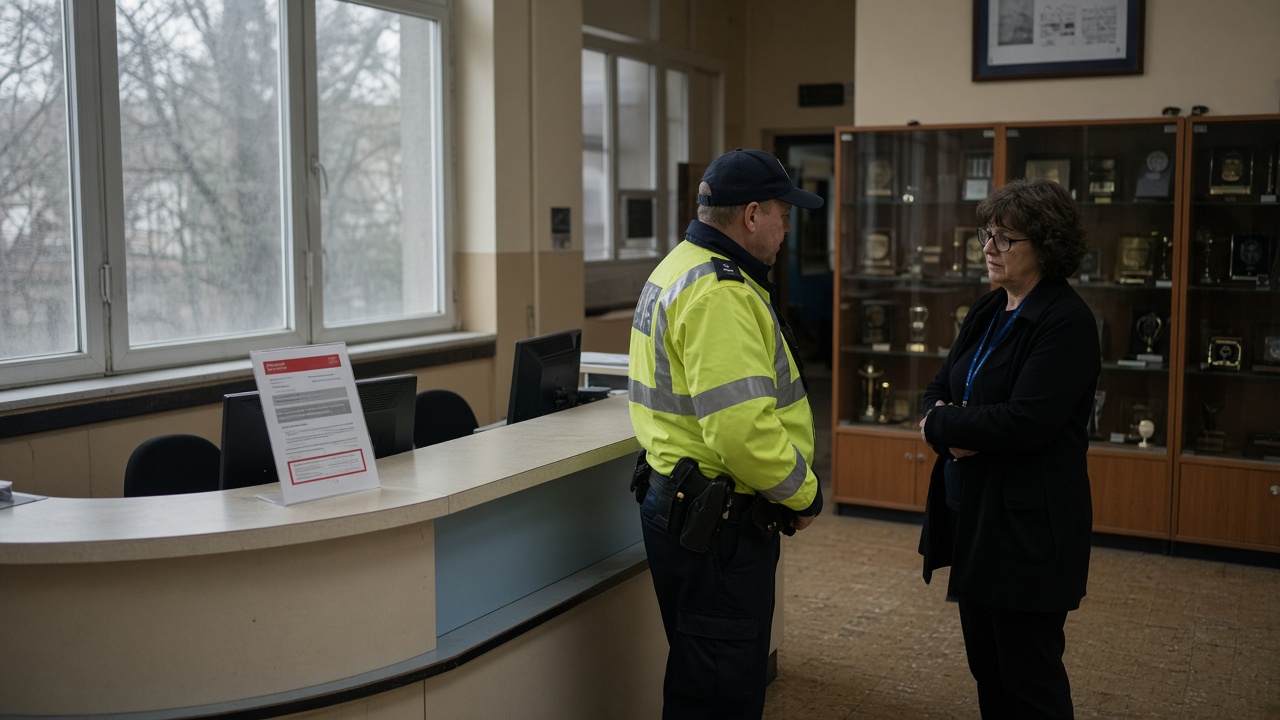
Police Scotland said Monday it had logged more than 300 calls after schools across the country received emails warning of an explosive device, launching a cybercrime inquiry into one of the widest hoax bomb campaigns Scottish education officials can recall.
What schools received
The messages hit primary and secondary schools on Monday, 19 October, as some councils reopened classrooms after the autumn break while others held in-service training days with only staff on site. Police quickly classified the warnings as hoaxes and said there was no credible threat to pupils.
Similar emails referencing an “explosive device” reached about 300 schools in Northern Ireland the same day, according to BBC reporting, suggesting a coordinated sender rather than a single disgruntled local actor.
“Officers and staff from Police Scotland’s Cyber and Fraud Unit are carrying out extensive inquiries to establish the source,” a force spokesperson said. No evacuations were ordered at scale, but the volume of contact overwhelmed switchboards and forced councils to push reassurance notices to parents.
How councils responded
BBC Scotland contacted all 32 local authorities; more than half confirmed at least one school in their area had received the email. Edinburgh, Glasgow, South Lanarkshire, North Lanarkshire, Angus, Inverclyde and Argyll and Bute were among those acknowledging the messages.
City of Edinburgh Council asked staff scheduled for in-service work to stay home after the threats surfaced, while Inverclyde offered a similar option. South Lanarkshire closed one school because of an unrelated heating fault, not the hoax.
Perth and Kinross officials told families that police were treating the messages as a hoax and that there was “no information to suggest any cause for concern,” a template several authorities echoed to dampen social-media rumours.
Union and political reaction
Andrea Bradley, general secretary of the EIS teaching union, said individual hoaxes had happened before but that simultaneous targeting of Scotland and Northern Ireland was “very unusual.” She credited school leaders for following police advice calmly while noting the emails still spread fear.
“The person who put together those emails did so with the intention of causing fear and alarm,” Bradley told BBC Scotland. Education convener James Dalgleish in Edinburgh called the sender’s actions “stupidity” that wasted public resources even though pupils were largely unaffected.
Investigation status
Specialist cyber officers will need to trace routing through offshore hosts or compromised accounts—a process that can take weeks without an early forensic break. Police have not released a description of suspects or a motive.
For now, classrooms that were open continued lessons, and councils expect normal timetables to resume Tuesday barring new messages. Parents are being urged to rely on official council channels rather than unverified clips circulating online.
Scottish government education officials said they were sharing Police Scotland’s guidance with head teachers overnight and would review whether additional filtering is needed on school email gateways. No changes to national exam schedules have been announced.