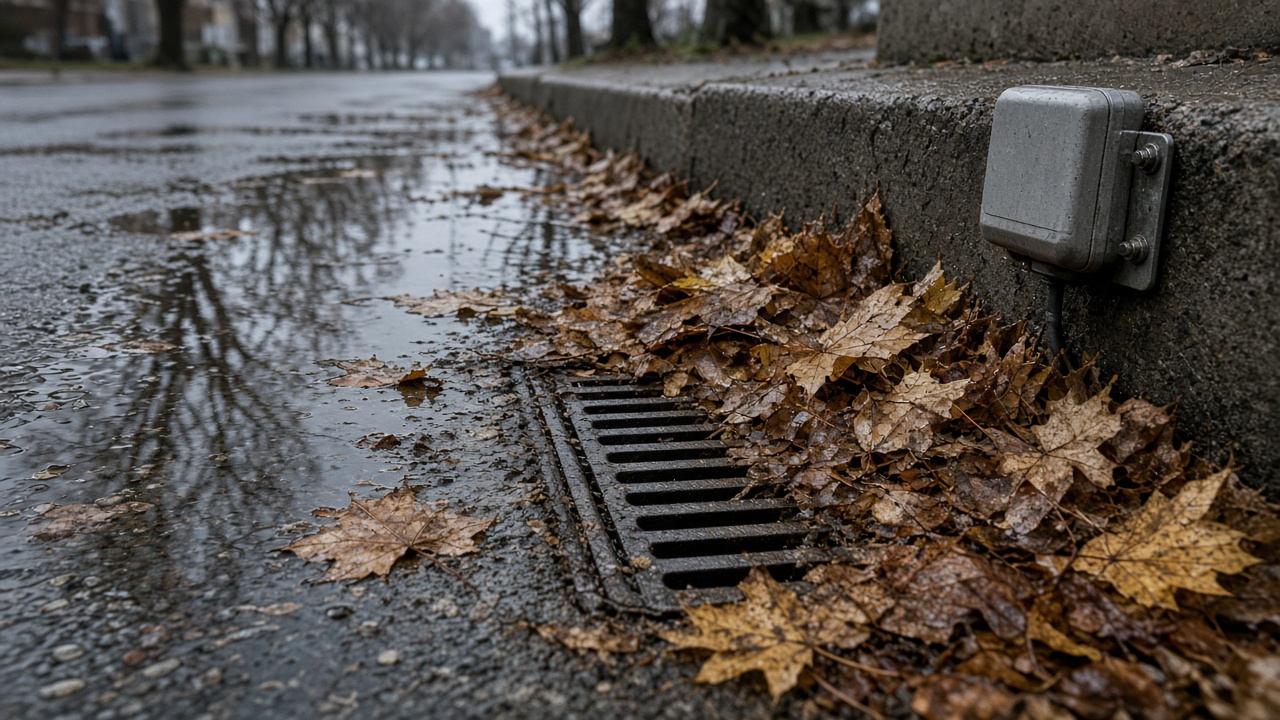
Seoul’s smart-city office expanded a pilot that ties IoT flow sensors to 1,200 catch basins citywide after knee-deep flooding near Yeonsinnae Station on Sunday, promising leaf-clog alerts to district maintenance crews within eight minutes when drainage rates fall below storm-season thresholds.
The upgrade reuses cabinets first deployed along Jungnangcheon Stream in 2024, but adds machine-learning baselines that compare hourly rainfall from the Korea Meteorological Administration with local flow drops—a pattern that often signals leaf jams rather than pump failure.
How the sensors work
Ultrasonic probes measure water height above grates; accelerometers detect when flow stalls despite rising rain intensity. Data routes through Seoul’s municipal cloud, where rules engine pages on-call teams in Eunpyeong, Gangbuk and Seodaemun—the wards hit hardest Sunday.
Officials stressed the system does not close roads automatically. Traffic police still rely on CCTV and patrol reports, but drain teams now receive GPS pins instead of vague citizen complaints.
Privacy and vendor oversight
Cameras are not part of the drain pilot; only telemetry leaves the site. The Ministry of Science and ICT reviewed cybersecurity after a separate audit found metro flood-gate vendors left manual overrides undocumented—Seoul said drain vendors must submit patch schedules monthly.
Small businesses near Yeonsinnae welcomed faster response but asked who pays when shop fronts flood before crews arrive. The city cited existing disaster insurance for municipal negligence claims, not merchant revenue loss.
Limits of hardware
Sensors cannot remove leaves; they only prioritize trucks. Sunday’s peak hourly rainfall of 53.5 millimeters in Gangbuk exceeded design specs for some older pipes, meaning alerts would have fired even with clean grates. Engineers plan to map those legacy segments for capital replacement, a budget fight likely to spill into next year’s assembly.
Grand Mint Festival’s Olympic Park cancellation underscored how outdoor events lack drain redundancy. Smart alerts do not help venues without staff authorized to clear basins on private land.
Rollout calendar
Another 800 basins should come online before November leaf fall peaks. Training sessions for district contractors start Tuesday, focusing on eight-minute response KPIs tied to performance pay. Failure to acknowledge an alert triggers escalation to ward heads—a bureaucratic stick rare in Korean municipal IT projects.
For residents, the visible change is more trucks scooping leaves before storms, not an app notification. Seoul may open a read-only public dashboard later this year showing which basins are “at risk,” but officials worry gamblers would misuse data. The Yeonsinnae scene remains the political photo that justified accelerating a pilot that was creeping along at 200 basins a quarter.
Contractor incentives
Ward offices will tie a portion of maintenance vendor pay to median response times logged in the municipal cloud, a shift from lump-sum seasonal contracts that rewarded leaf pickup only after citizen complaints spiked. Vendors must carry spare grate baskets on trucks during October weekends when KMA flags trough-style rains.
University researchers partnered with Seoul to test acoustic sensors that detect gurgling when water backs up—an add-on planned for 2027 if this autumn’s pilot hits accuracy targets without false positives from subway vibration.