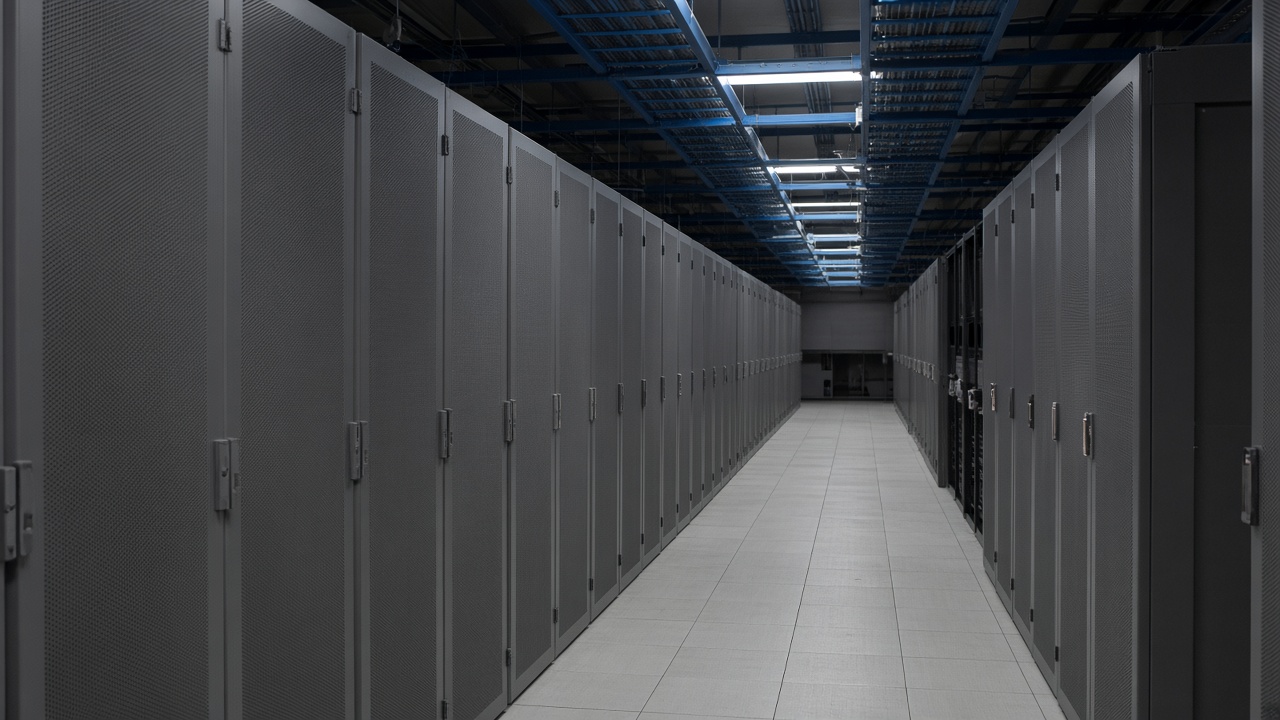
Enterprise procurement teams in Japan pushed optional GPU rack deliveries into early 2027 after working with SoftBank Corp. and NTT Data Corp. on colocation and managed AI stacks, pausing expansions while they re-read vendor balance sheets following a U.S. AI-infrastructure debt rout. Mei Kobayashi’s AI desk says the delays are not cancellations of generative-AI strategy—rather, CFOs demand clearer lease-to-utilisation math before signing megawatt blocks that assume 80 percent GPU duty cycles.
What buyers paused
Financial institutions, telecom operators, and manufacturers had queued H100-class clusters for transaction-monitoring, code assistants, and factory vision models. Several moved from “install in Q4 2026” to “pilot through fiscal year-end” after treasury desks flagged counterparty risk on hyperscaler-backed leases and on domestic sponsors with heavy dollar debt.
SoftBank’s enterprise arm and NTT Data’s cloud integrators continue delivering committed base capacity; the slip is on incremental racks optional under framework contracts.
Why balance sheets matter now
Japan’s AI build-out rode a global wave of project finance tied to cloud demand. When bond spreads widened on U.S. AI issuers, Japanese boards asked whether colocation partners could still fund phase-two halls without raising equity at distressed prices. Procurement lawyers inserted MAC-style clauses allowing delays if sponsors’ credit metrics breach covenants.
Regulators have not intervened; MIC’s AI guidelines focus on data governance, not capex pacing. The pause is market-driven discipline after a year of rush orders.
Impact on domestic models
Japanese-language model vendors relying on rented compute may see slower fine-tuning cycles, pushing them toward smaller parameter releases or hybrid cloud bursting to overseas regions with spare capacity. Startups that pre-sold industry solutions on promised GPU floors must renegotiate delivery dates with customers in automotive and pharma.
Universities running shared AI clusters report longer wait times for new nodes unless projects already cleared capital committees before October.
SoftBank and NTT Data roles
SoftBank markets GPU cloud bundles tied to domestic data residency; NTT Data integrates racks with SAP and mainframe estates for incumbents modernising slowly. Both emphasise that security-reviewed environments remain online even as optional expansions slip.
Investors still separate SoftBank Group’s holding-company trades from operating units, but sentiment linkage means equity volatility can spill into enterprise sales cycles even when fundamentals differ.
What would restart orders
Stabilised U.S. credit markets, published utilisation above 70 percent on existing pilots, and BOJ clarity after the October 29 meeting would unblock committees. Government co-funding for semiconductor-adjacent AI testbeds could also accelerate public-sector racks independent of private credit stress.
Vendor competition
Domestic colocation rivals pitched shorter contract tenors with modular power blocks, hoping to win tenants wary of long leases tied to single sponsors. Cloud regions operated by global hyperscalers still attract banks that must keep certain workloads offshore for disaster recovery, limiting how much pause activity actually reduces national GPU demand.
Analysts tracking server import statistics said September shipment volumes remained elevated, suggesting the pause is concentrated among large enterprise frameworks rather than the broader market.
University and public lab impact
National university shared clusters said they will honor existing faculty allocations but defer new research-group expansions until vendors confirm delivery quarters. Public research agencies reviewing generative-AI ethics guidelines asked grantees to document compute sources, which slows paperwork even when hardware is already installed.
Local governments experimenting with municipal chatbots kept running inference on contracted cloud capacity, illustrating that not every public-sector AI project rides the same procurement clock as large bank GPU halls.
Systems integrators offered bridge contracts using smaller inference clusters so banks can keep chatbot pilots alive without committing to full rack footprints.
Bottom line
Japanese enterprise GPU expansions hit a scheduling pause as buyers reassess vendor balance sheets after global AI debt jitters. Strategy slides still cite generative AI; the difference is timing—2027 delivery windows are replacing 2026 rush installs until credit and utilisation proofs catch up.