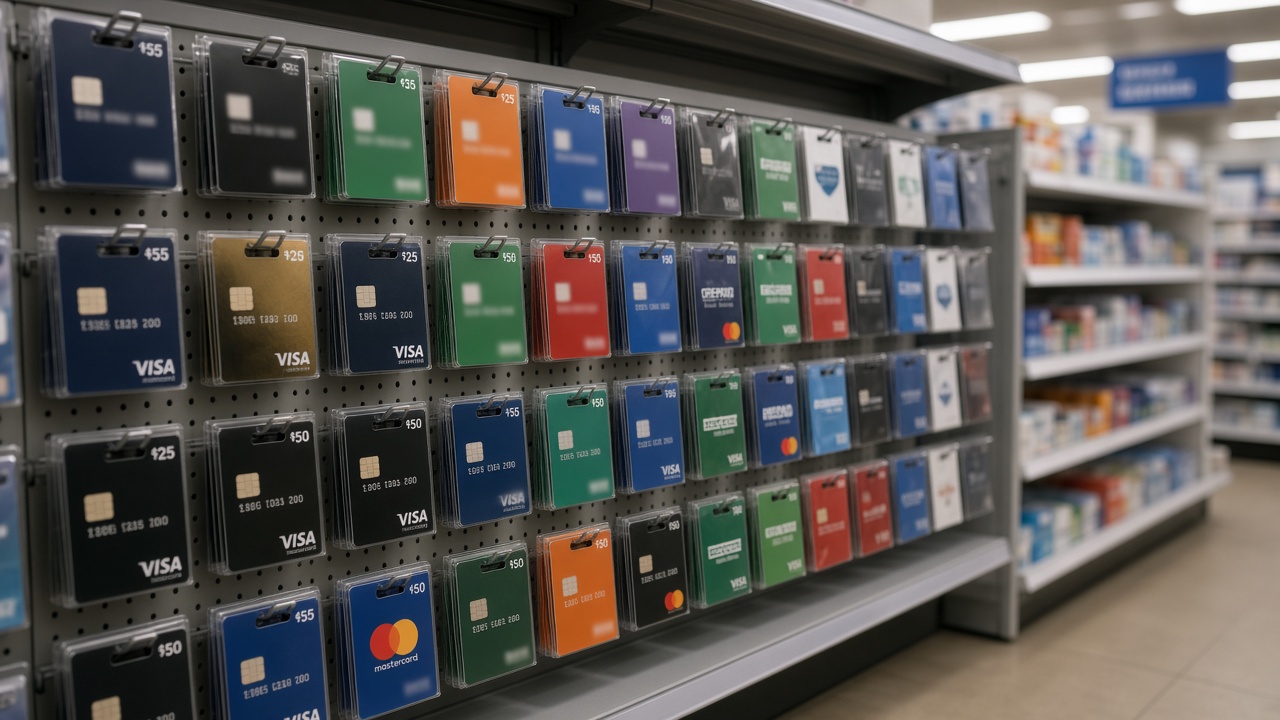
Victoria Police say scammers cloned the voices of general practitioners and surgeons with artificial-intelligence tools, then called Mandarin-speaking patients by name to demand gift-card payments, draining one victim of $50,000 before the fraud was reported in September.
How the script works
Detectives told ABC News the callers exploited trust in the health system. Victims received urgent messages about test results or surgical follow-ups, spoken in fluent Mandarin with timbre that mimicked a familiar clinic. The caller insisted bills had to be settled immediately via store gift cards, with PIN codes texted back for "verification."
Because the scam referenced real appointment dates or conditions, targets complied for days before ringing their clinic on a published number and learning no doctor had phoned. Police recorded ten reports in a single month, including a second loss near $40,000.
Why AI changes the calculus
Older impersonation scams relied on thick accents or shaky pretexts. Cheap voice-cloning kits trained on seconds of public audio let criminals sound like a patient's specialist, especially when combined with leaked appointment data bought on criminal forums.
Hamish Clarke, who covers AI policy for InfoHandle, notes the attacks sit at the intersection of model proliferation and weak out-of-band verification in healthcare admin. Clinics still routinely confirm bookings by phone without callback protocols.
Community response
Community leaders in Melbourne's eastern suburbs are distributing Mandarin-language fact sheets through WeChat channels, stressing that Australian doctors never demand gift cards. Banks have been slow to block serial gift-card purchases until after funds are gone, prompting calls for merchant limits on high-value reloadable cards.
Victoria Police urged families to discuss the scam with older relatives and to hang up on any health worker requesting card numbers. Reports can go to Scamwatch, ReportCyber, or Crime Stoppers on 1800 333 000.
What clinics can do
Medical practices are reviewing outbound-call policies, adding SMS prefixes that cannot be spoofed easily, and training reception staff to warn patients about gift-card requests. The RACGP has pointed practices to cyber.gov.au guidance on verifying patient contact details after data breaches.
Without a national callback standard, the burden remains on patients to distrust urgency—a hard sell when the voice on the line sounds like the surgeon who operated last month.
Police say investigations continue. For Mandarin-speaking Victorians, the lesson from September's losses is blunt: if a doctor asks for iTunes or supermarket cards, the voice is not your doctor.
Further context
Analysts watching the sector said Monday's developments should be read alongside Canberra's wider economic agenda, including energy costs and household budgets that dominate talkback in Sydney and Melbourne. State governments are simultaneously rolling out infrastructure pipelines that depend on stable capital markets, so any signal from listed companies or regulators ripples through procurement offices and council finance teams.
Investors with self-managed super funds told brokers they are keeping more cash on hand until the Reserve Bank's November decision, wary that oil-linked inflation could delay rate relief. That caution shows up in trading volumes on the Australian Securities Exchange, where midday turnover often trails the morning futures impulse once offshore cues fade.
Consumer advocates urged households to verify official guidance on government websites rather than relying on social media summaries, a reminder that policy detail still moves through formal channels even when headlines move faster on phones.