Warburg Pincus is pressing Ingenia Communities Group to lock in exclusive due diligence on a $5.25-a-stapled-security cash takeover before a board confirmation deadline on 19 October, leaving holders of the ASX-listed retirement and holiday-park operator to decide whether a scheme of arrangement is finally firm enough to close the gap to the bid price.
What changed in October
In filings circulated to the market this month, Ingenia said Warburg had lifted its indicative proposal to $5.25 cash for each stapled security, up from earlier discussions, and tied board access to a hard confirmation date. The private-equity firm wants the Ingenia board to agree that the price is sufficient and to grant exclusivity so lawyers can draft a scheme implementation deed.
For securityholders, the mechanics matter as much as the headline number. Ingenia trades as a stapled structure that bundles interests in the operating group and associated property trusts. A scheme would require both a court process and a shareholder vote, with an independent expert asked whether the offer is fair and reasonable.
Why villages are in play
Australian retirement living has attracted global capital for a simple reason: recurring rental streams on land-rich sites, with development upside as ageing demographics fill new stages. Warburg Pincus, through its infrastructure and real-assets platforms, has been building a portfolio of essential-services businesses that can absorb long-dated capital.
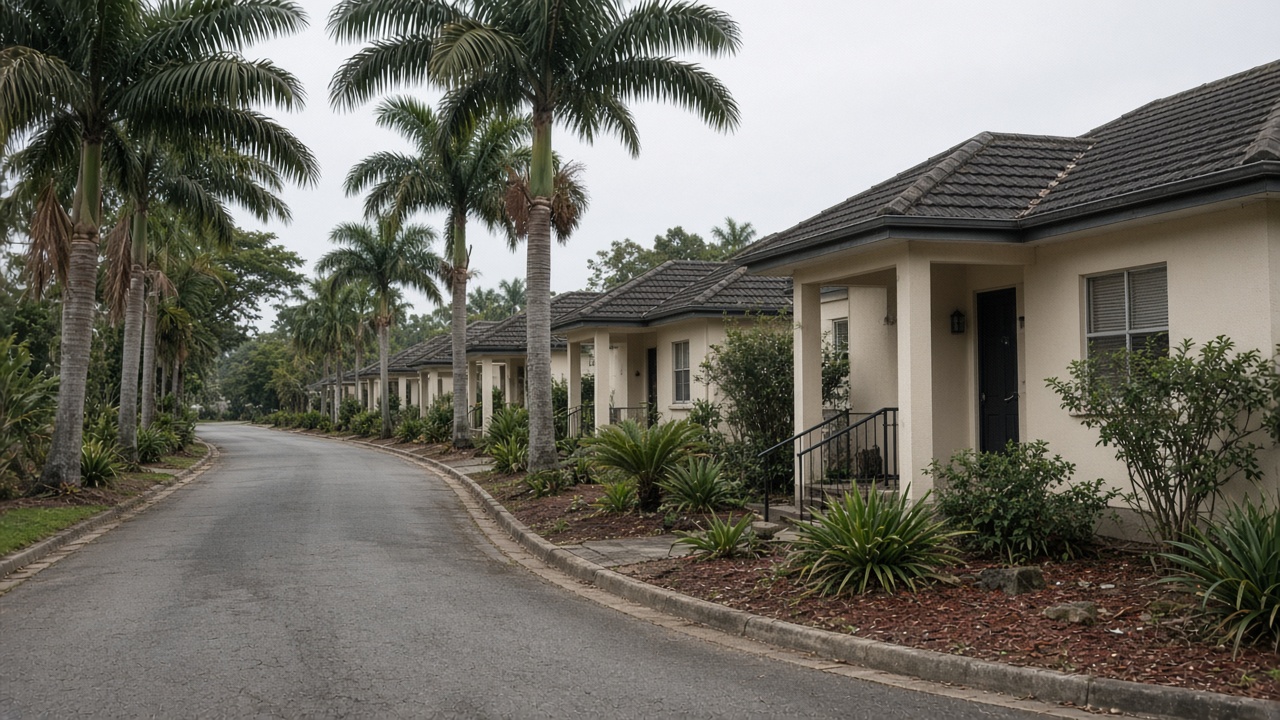
Ingenia's footprint mixes permanent manufactured-home communities with holiday parks on the eastern seaboard. That blend gives acquirers optionality—raise rents within regulated frameworks, develop greenfield stages, or recycle capital by selling individual assets—while presenting integration challenges a trade buyer might avoid.
Market scepticism
Despite repeated confirmations from Warburg, Ingenia securities have at times traded materially below $5.25, a spread deal watchers read as probability-weighting rather than disagreement on the arithmetic. Take-private bids can stall over financing covenants, foreign-investment timing, or late diligence on development pipelines and land tax exposures.
Monday's deadline does not by itself guarantee a signed deed. It forces a binary moment: either the board confirms and exclusivity continues toward a binding agreement, or holders face another period of limbo that could invite competing bids—or none.
What holders should watch
Retail investors in stapled securities should read any scheme booklet for break fees, voting thresholds, and whether the expert's report addresses related-party land leases. Institutional holders will focus on whether Warburg's equity and debt package survives credit committee sign-off if global rates stay elevated.
For the wider ASX, a completed Ingenia deal would add to a busy year of private equity interest in Australian infrastructure-like assets, from waste management to student housing. A collapse would remind the market that headline premiums mean little until ink is on a deed.
Ingenia said it would update the market when there is material news. Until then, the $5.25 figure is an offer on paper—and the stapled security price is the market's running vote.
Further context
Analysts watching the sector said Monday's developments should be read alongside Canberra's wider economic agenda, including energy costs and household budgets that dominate talkback in Sydney and Melbourne. State governments are simultaneously rolling out infrastructure pipelines that depend on stable capital markets, so any signal from listed companies or regulators ripples through procurement offices and council finance teams.
Investors with self-managed super funds told brokers they are keeping more cash on hand until the Reserve Bank's November decision, wary that oil-linked inflation could delay rate relief. That caution shows up in trading volumes on the Australian Securities Exchange, where midday turnover often trails the morning futures impulse once offshore cues fade.
Consumer advocates urged households to verify official guidance on government websites rather than relying on social media summaries, a reminder that policy detail still moves through formal channels even when headlines move faster on phones.