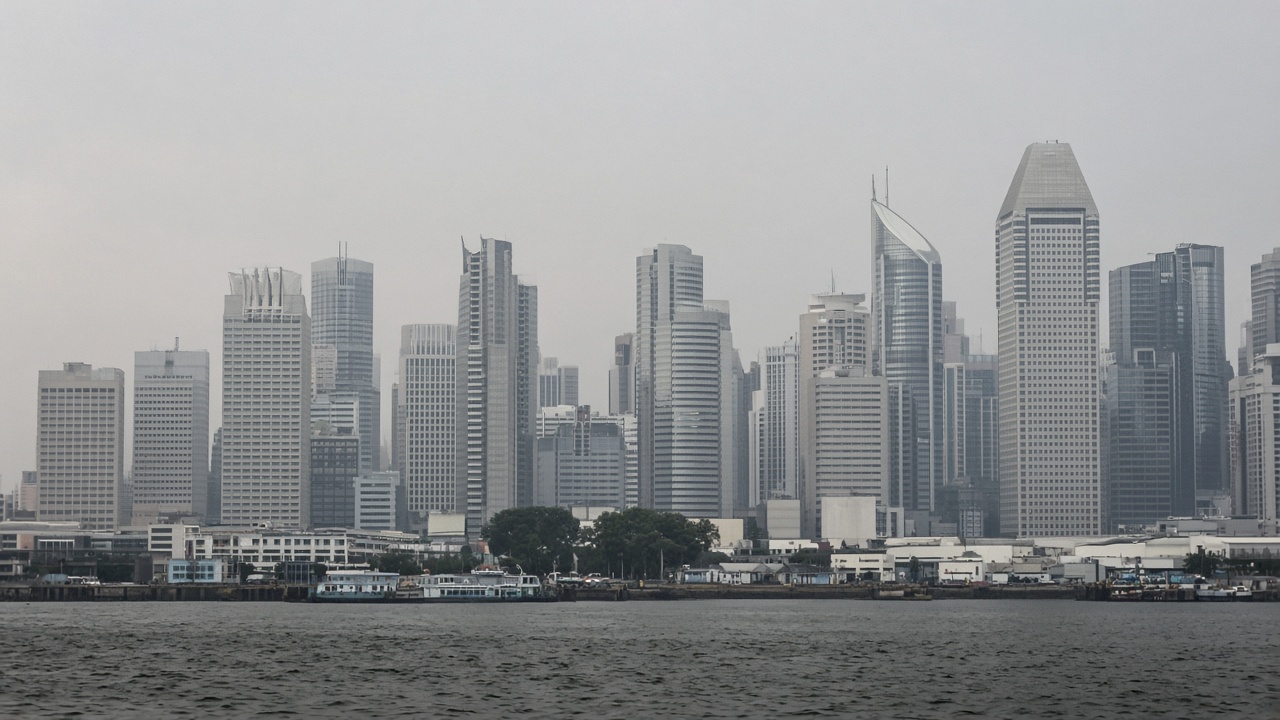
Shares of Singapore-listed palm oil producers weakened into the weekend as regulators and environmental groups linked plantation concessions in Indonesia to fires contributing to the Republic’s prolonged haze episode.
The Straits Times reported that Prime Minister Lawrence Wong said on 15 October that Singapore would pursue action under the Transboundary Haze Pollution Act against companies responsible for fires that keep PSI in unhealthy ranges. Wilmar International and Golden Agri Resources, among others, filed SGX responses on 16 October stating they maintain no-burn policies and denying operational links to the latest smoke.
Wilmar told the exchange it has not opened new oil palm planting in Indonesia since 2013 and limits field work to mechanical replanting without fire. Golden Agri said it was not aware of information tying its activities to the current transboundary haze.
Bumitama Agri, also named in the Greenpeace report, said some sites were affected by fires spreading from surrounding land. First Resources said blazes within its concessions were largely caused by external fires crossing boundaries.
Market moves
The Business Times noted the benchmark Straits Times Index still managed a modest weekly gain helped by export data, but palm-related counters lagged. Wilmar’s stock closed 1.2% lower in the session cited by ST’s markets column, while sentiment stayed fragile as PSI readings above 200 persisted in parts of the island.
For STI investors, the episode is a reminder that environmental enforcement risk is a listed-company risk here, not only a Ministry of Sustainability and the Environment press release. Legal action under the 2014 Act requires PSI to remain unhealthy for 24 hours or more; Singapore has already crossed that threshold repeatedly this month.
What holders should track
Watch SGX filings for further queries, any named entities in government statements, and whether insurers or lenders tighten terms for plantation groups. The investigation narrative can move faster than quarterly earnings — especially when air quality dominates front pages.
ESG funds and index weight
Several STI-linked portfolios hold agribusiness names for dividend yield. This week’s queries forced ESG-minded managers to document fire policies and supplier maps faster than annual reporting cycles usually require.
Greenpeace’s concession mapping relies on satellite hotspots; companies dispute causation when fires start outside boundaries. SGX’s ask-and-disclose rhythm means silence is not an option once regulators circulate questions.
Commodity traders separately watched palm oil futures, which can move on Indonesian export levies as well as haze politics. Singapore investors with dual listings should expect volatility until governments name enforcement targets or clear firms.