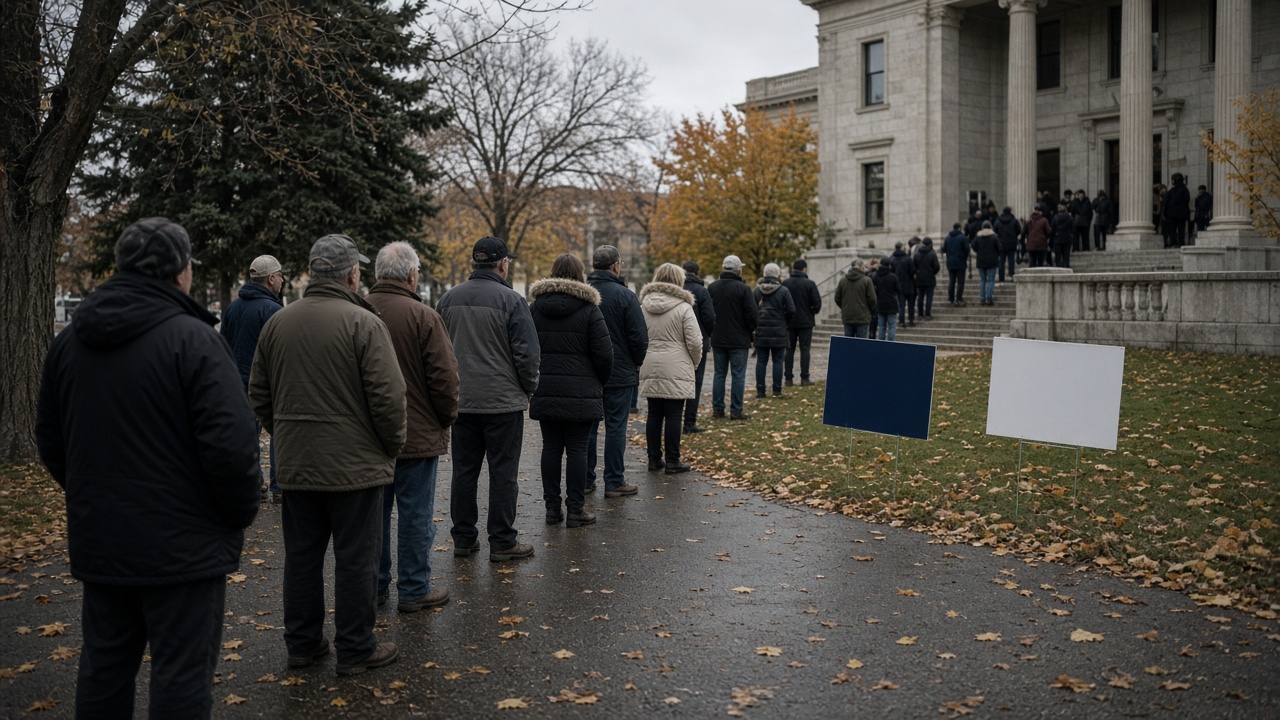
Alberta’s first province-wide referendum on whether to begin a process toward a binding vote on leaving Canada was heading toward a decisive “remain” result on Tuesday, with unofficial counts showing about 76 percent of ballots rejecting the separation path and 24 percent backing it once more than 1.8 million votes were tallied.
Not a direct independence vote
The question on Monday’s ballot did not ask Albertans to secede outright. Voters were asked whether the province should start a formal process that could lead to a later, binding referendum on independence. Approval would have handed separatist organizers a mandate to keep pressing Ottawa; instead, early returns pointed to a lopsided win for staying inside Confederation.
Elections Alberta cautioned that Tuesday’s figures remain unofficial until a full verification process finishes and official results are published on 29 October. Even so, the margin was wide enough that broadcasters and party leaders treated the outcome as settled before dawn in Edmonton.
Turnout and the wider ballot
The vote drew heavy participation. Advance and special-ballot voting alone accounted for more than 1.35 million ballots before polls closed on 19 October, part of a count that officials said could take up to 48 hours to complete across the province’s divisions.
Albertans also answered nine additional non-binding questions on provincial powers, covering immigration rules, access to provincial services and voter identification. Provisional results showed majorities backing eight of the nine measures, some by narrow margins—signals that while residents rejected breaking up Canada, many still want a stronger hand in dealings with the federal government.
Carney and Smith frame the result
Prime Minister Mark Carney, who campaigned against separation in the final days, said Albertans had “chosen unity, to build together, and to take care of each other.” In a written statement early Tuesday, he argued Canada is “greater than the sum of its parts” and pledged to keep advancing energy and infrastructure projects with Alberta at the centre.
Premier Danielle Smith, who called the referendum in May, told supporters she was “very pleased” by early returns showing strong support for remaining in Canada and scheduled an evening address on where the province goes next. Smith had framed the exercise as a way to secure a fairer deal from Ottawa amid a punishing trade fight with the United States.
What the margin does—and does not—settle
Pollsters had long doubted a separatist victory on the main question, but the movement is unlikely to vanish. Angus Reid data released before the vote found 62 percent of Albertans believe the separatist cause will never fully disappear, and some leaders had said they would pursue another vote even if Monday’s question failed.
Carney’s government still faces a western grievance agenda, U.S. tariffs and occasional talk from President Donald Trump about absorbing Canada. Tuesday’s numbers give Ottawa breathing room on unity, yet the secondary ballot wins show Smith retains a mandate to bargain hard on provincial autonomy without winning a path to secession.