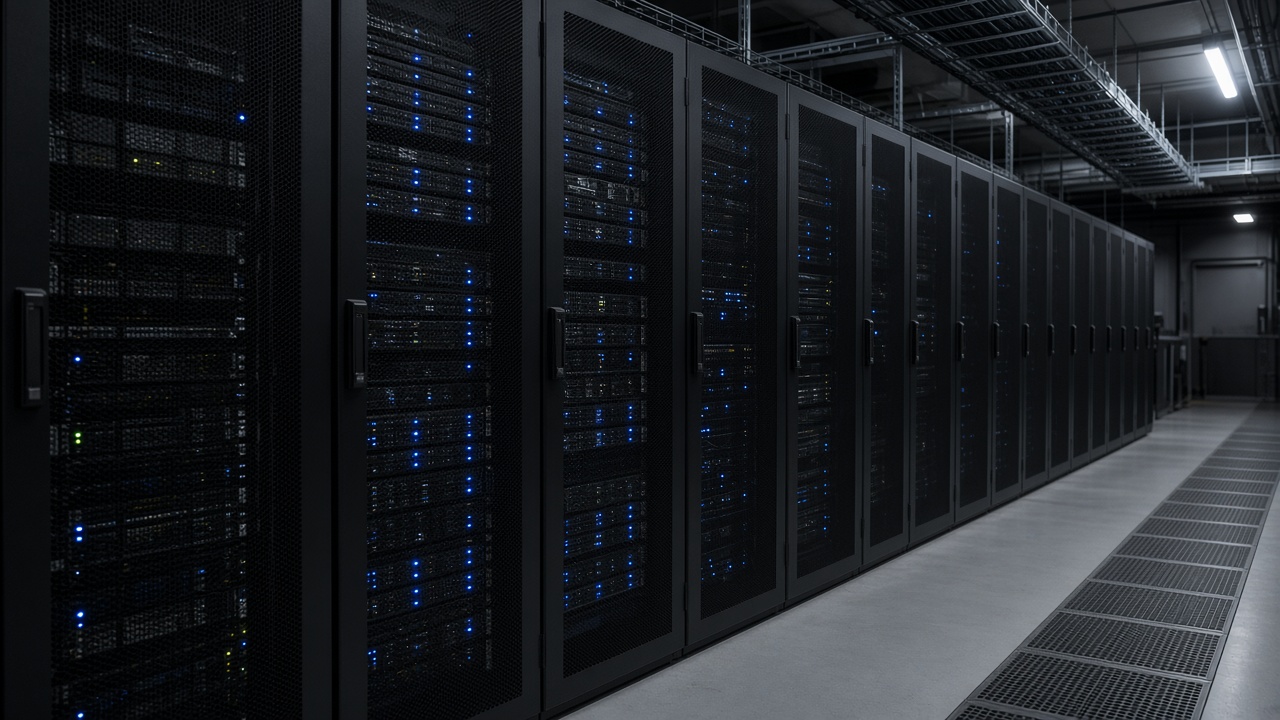
The Centre for Development of Advanced Computing has floated a tender for 10,000 additional AI compute units under the IndiaAI Mission, expanding a subsidised national pool that already includes more than 38,000 chips for startups, universities and government labs.
Tender mechanics
The Ministry of Electronics and Information Technology published the request through CDAC on 19 October, seeking GPUs, TPUs or equivalent accelerators from qualified service providers. Contracts will bundle hardware, power, cooling and remote access consoles so researchers can schedule jobs without shipping laptops to distant cities.
Technical criteria emphasise cluster density: vendors cannot sprinkle small eight-GPU boxes across states and still qualify. The policy pushes toward warehouse-scale sites where network latency between nodes stays low enough for large-model training.
Who gets access
Priority users include central ministries testing vernacular chatbots, Indian Institute of Technology labs running open-model fine-tunes, and startups vetted under IndiaAI's compute credit programme. Pricing is subsidised relative to commercial cloud rates, though users still pay usage fees calibrated to discourage idle reservations.
The mission's earlier tranche onboarded capacity in Pune, Bengaluru and Hyderabad. This round is expected to favour operators with vacant halls and renewable power purchase agreements, aligning with NITI Aayog's new data-centre readiness scorecard for states.
Why sovereign compute matters now
Global supply chains for Nvidia H100-class chips remain tight, and U.S. export rules continue to shape what lands in Asia. By pooling procurement, India hopes to negotiate bulk leases and keep academic projects from competing with hedge funds for spot instances on foreign clouds.
Domestic model builders such as Sarvam AI and Krutrim already train on mission-backed clusters; additional units would let them run longer context windows and safety evaluations without exporting citizen data.
Industry response
Data-centre developers Yotta and AdaniConneX have publicly supported IndiaAI tie-ups, while hyperscalers may partner as operators without owning the tender award. Legal teams are reviewing whether foreign chip lessors can bid through Indian subsidiaries given FDI rules on telecom and cloud infrastructure.
Investors also asked how this procurement interacts with MeitY's separate DigiLocker AI assistant contract awarded to CoRover last week—compute and application layers are finally moving on parallel tracks.
Timeline and risks
Bids typically close within four to six weeks for mission projects, with installation targets before the next financial year. Delays in power connections or import clearances have slowed earlier tranches, so evaluators may weight operational track record as heavily as per-hour pricing.
If the tender fills, India will cross 48,000 mission-managed accelerators, still modest compared with U.S. hyperscale campuses but large enough to keep mid-sized language-model experiments entirely onshore—a milestone policymakers have cited since the 2024 interim budget.