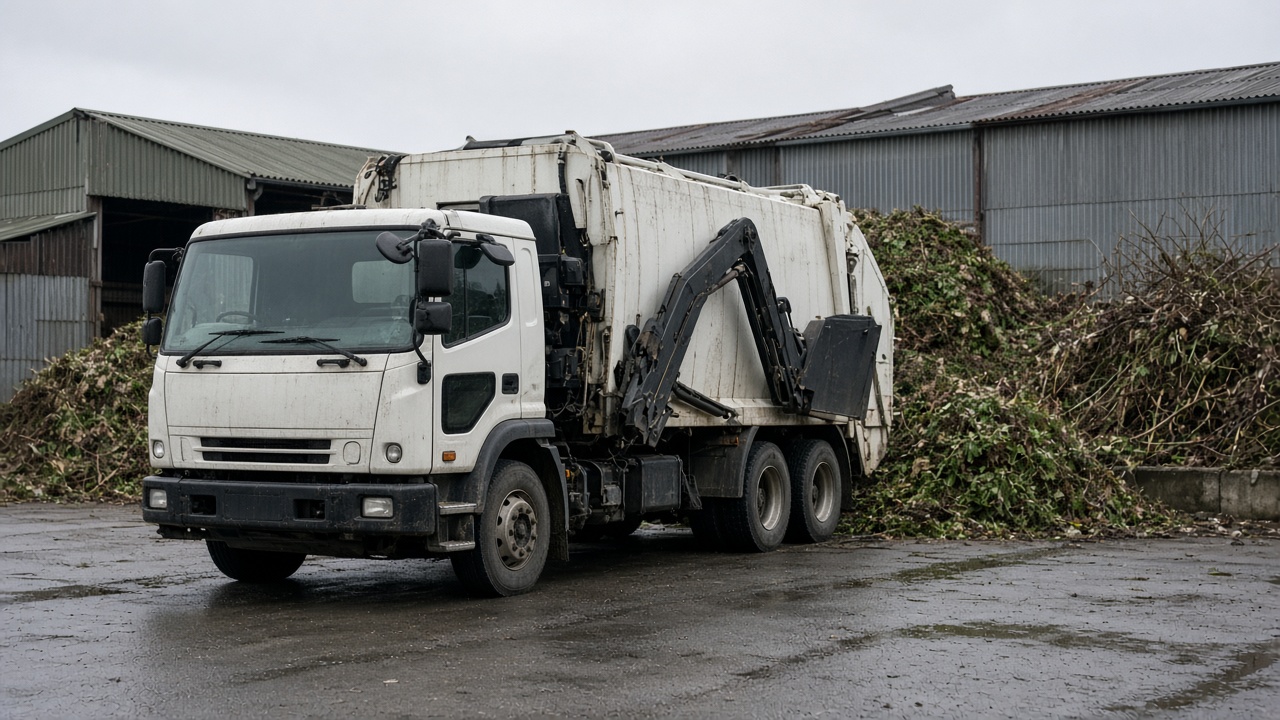
Cleanaway Waste Management’s board signed a binding scheme implementation deed with EQT Infrastructure on Sunday, locking in a A$3.095 cash offer for every share and an enterprise value of about A$9.3 billion for Australia’s largest listed waste collector.
What shareholders are being asked to approve
Under the deed filed with the ASX on Monday morning, Sedum Group—an entity owned by EQT funds—will acquire 100 percent of Cleanaway by court-approved scheme. The headline price is A$3.095 a share in cash, reduced by the cash amount of any dividends Cleanaway pays before implementation, including a fully franked special dividend of up to 19 cents that directors may declare.
The consideration implies a 32.1 percent premium to Cleanaway’s A$2.37 close on 12 August, the last full trading day before EQT’s approach became public. On an enterprise basis the multiple is about 20 times underlying EBIT for fiscal 2026, a level that reflects both the defensive cash flows of municipal collection contracts and the debt already sitting on the balance sheet.
Timetable and conditions
Cleanaway told the market it expects to post a scheme booklet by 14 December 2026, with a shareholder vote targeted before the end of February 2027 and completion by the end of March 2027. If the deal slips past 31 May 2027, a ticking fee of 0.02 cents per share per day accrues until closing.
Implementation still requires Federal Court approval, an independent expert’s opinion that the scheme is in shareholders’ best interests, and regulatory clearances in Australia and overseas. EQT said it intends to operate Cleanaway as a long-term infrastructure asset, citing experience with waste platforms in Europe and existing Australian holdings.
Market reaction and what changes for customers
Cleanaway shares were already trading above A$2.90 in late October as investors priced a near-certain take-private. Monday’s confirmation removes the last ambiguity about price, shifting attention to whether any rival bidder emerges during the exclusivity window and how councils view a foreign-owned operator running kerbside contracts.
For households and businesses, service levels are unlikely to change overnight: collection routes, landfill permits and recycling mandates remain regulated at state level. The more immediate debate is whether a private-equity owner will accelerate plant upgrades or push harder on gate fees at transfer stations to protect returns while interest rates stay elevated.
Debt, dividends and the franking pool
Cleanaway’s June 2026 accounts showed net debt and debt-like items of about A$2.29 billion against underlying EBIT of A$470 million. EQT’s bid assumes that borrowing can be refinanced off stable municipal revenue, but rating analysts will watch whether the buyer adds incremental borrowing to fund a special dividend.
Directors flagged that any pre-scheme dividend would be fully franked where credits allow, with a working range of 14.5 to 19 cents. Retail investors who bought for income will weigh that one-off payment against losing ongoing franked distributions after delisting.
What to watch before the vote
The scheme booklet will spell out break fees, matching rights for competing bids and how performance rights convert. Council procurement offices in Victoria and New South Wales may also file submissions if they want continuity clauses inserted into long-term contracts.
Until shareholders cast ballots, Cleanaway remains a listed ASX industrial with daily liquidity. After court approval, the stock will leave the index and Australia's waste sector will be dominated by an unlisted operator backed by Swedish infrastructure capital—a structural shift that Monday’s deed makes difficult to unwind without a higher rival offer.
Competition and ACCC review
Waste incumbents Bingo Industries and Veolia will watch whether EQT seeks to merge overlapping transfer stations. The Australian Competition and Consumer Commission typically reviews schemes that combine national operators, though past waste deals have cleared with divestitures of individual landfills.
Union officials representing drivers said they would seek consultation guarantees in enterprise agreements before the vote, citing past private-equity takeovers that shifted crews to contractor models.