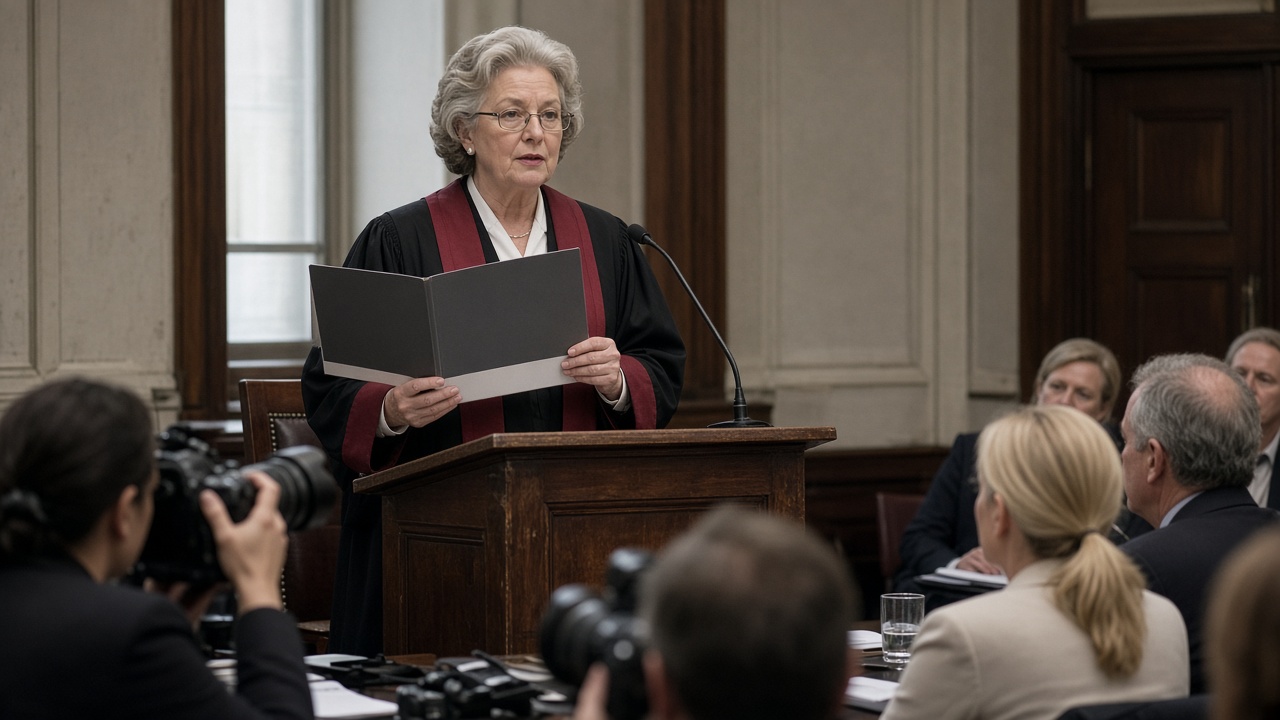
Britain’s Covid-19 Inquiry concluded on Tuesday that government failures allowed the virus to “spread like wildfire” through care homes, rejecting ministers’ early claim that a “protective ring” had been thrown around the sector when the pandemic hit in 2020.
‘An afterthought’ in the first wave
Inquiry chair Baroness Heather Hallett said the pandemic “totally disrupted” life in residential care and had a “devastating impact” on residents and staff. Her module-six report on adult social care found that homes seemed “something of an afterthought” while hospitals scrambled for capacity, with more than 43,000 deaths involving Covid recorded in care settings between March 2020 and July 2022.
Bereaved families and campaigners said the findings vindicated years of argument that discharges from hospitals into homes without testing or isolation guidance seeded outbreaks among the country’s most medically fragile people.
Hospital discharges and missing guidance
Hallett criticised the failure to advise isolation for new arrivals from hospitals at a time when beds were being cleared. The report acknowledges that keeping patients in acute wards carried its own risks as community transmission rose, calling the trade-off “an unenviable choice.” Yet it concludes that sending people into communal care without clear clinical safeguards was a “significant oversight” that accelerated spread.
In Scotland, the inquiry noted that 3,595 patients were discharged to care homes between 1 March and 21 April 2020, and 82 percent had not been tested for Covid-19. More than 4,200 care-home resident deaths in Scotland involved the virus on the death certificate across 2020–22.
Staff left to improvise on PPE
Care workers were left to source their own protective equipment while guidance lagged, the report says. Witnesses described using festival ponchos, painters’ overalls and bin bags when official supplies failed to reach the front line. Hallett found the sector was known to be “extremely vulnerable” to a respiratory pandemic long before Covid arrived, yet protective action came too late.
The module lands as the inquiry’s public hearings on care settings have already produced wrenching testimony from workers who stayed on shift while residents died in corridors. Hallett’s team reviewed Cabinet papers, NHS discharge policies and devolved government decisions, concluding that messaging about protection ran ahead of what was actually delivered on the ground.
Funding warnings ignored
Charity leaders told the BBC that social care entered the pandemic as a “second-class” service, leaving ministers and the NHS “playing catch up” once the virus was already inside homes. Age UK’s Caroline Abrahams, who testified in 2025, said planning cannot begin after a crisis starts—an implicit rebuke to the 2020 scramble for guidance on visits, testing and staff movement between sites.
Political response and Anne’s Law
Prime Minister Andy Burnham said the government would use the report to develop an action plan for any future pandemic, while Health Secretary Yvette Cooper promised a formal response to Hallett’s recommendations. The inquiry highlights Scotland’s Anne’s Law—which guarantees care-home residents a named visitor during outbreaks—as a model other UK nations should consider.
Local government leaders urged adequate long-term funding so clinically vulnerable people are never again placed in settings without clear clinical rules. For families who lost relatives in spring 2020, Tuesday’s verdict was less about new facts than official acknowledgment that the ring they were promised never existed.