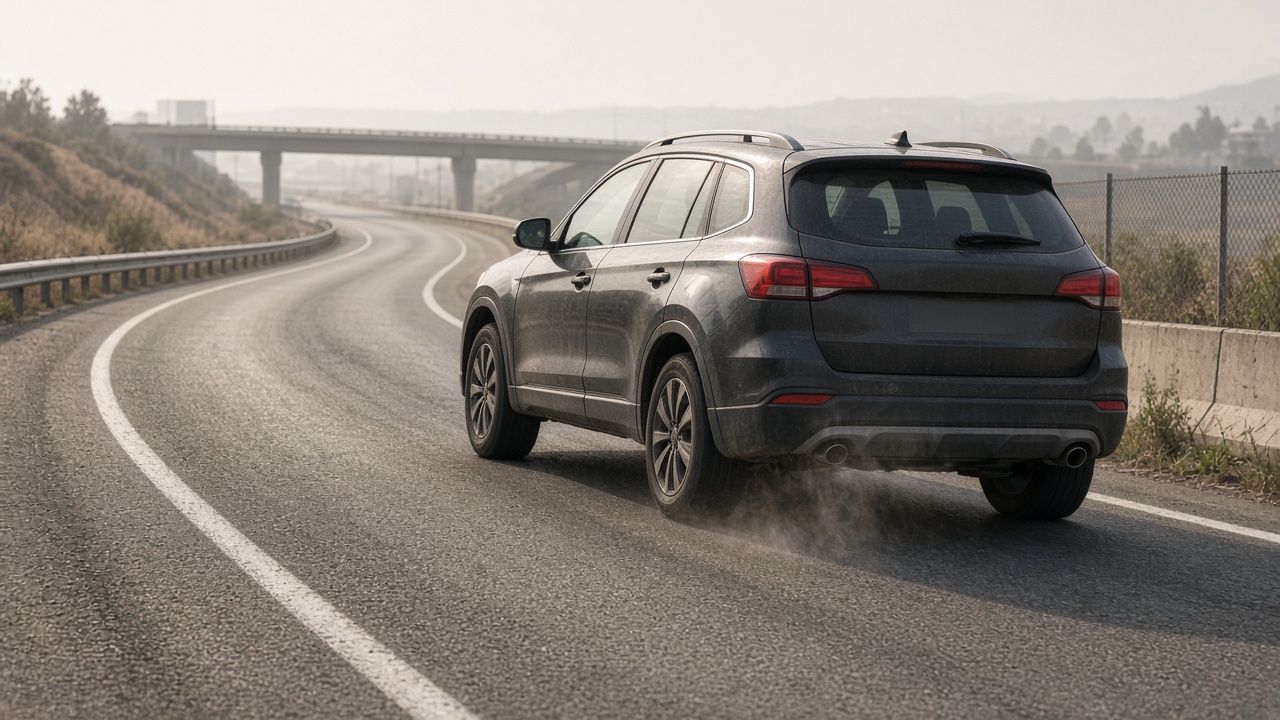
The Environmental Protection Agency is still deciding whether to postpone its toughest smog-related exhaust limits for new SUVs and pickups, even as a separate February rule removed federal greenhouse-gas tailpipe standards.
Two different rulebooks
In May 2026 the EPA published a proposed rule—still not final as of late October—that would extend Tier 3 criteria-pollutant standards for many light-duty vehicles through model years 2027 and 2028. Tier 4 limits, which tighten limits on ozone-forming emissions and particulate matter, would not begin until model year 2029 if the agency adopts the plan.
That proposal is distinct from the EPA’s February 2026 final action rescinding the 2009 greenhouse-gas endangerment finding and repealing motor-vehicle CO₂ standards effective April 20, 2026. Automakers no longer face federal CO₂ fleet averages, but traditional smog pollutants remain regulated under the 2024 multi-pollutant framework unless the Tier 4 delay is finalized.
What automakers told regulators
Industry comments cited in the rulemaking docket argue that engineering particulate filters and advanced catalysts for high-volume SUVs needs more lead time after pandemic-era supply disruptions. Environmental groups counter that delay rewards lagging manufacturers and worsens smog in cities already out of attainment with ozone standards.
For shoppers, the fight is not abstract: stricter Tier 4 hardware can add hundreds of dollars in per-vehicle cost, sometimes showing up as higher lease payments or trimmed standard equipment.
Wallet impact for 2027 models already in production
Dealers are taking orders for 2027 model-year crossovers now. If EPA finalizes the delay before those vehicles reach showrooms, buyers might see fewer price hikes tied to exhaust hardware—but also less aggressive fuel-economy marketing because federal GHG limits are gone.
States that adopt California’s Advanced Clean Cars II rules could still require zero-emission sales quotas, creating a split market where identical SUVs meet different standards depending on registration state.
How to comment or track the rule
The proposal lives in Docket EPA-HQ-OAR-2022-0829 on Regulations.gov. Once EPA publishes a final rule, automakers typically get at least a model year of lead time, but suppliers start tooling changes months earlier.
Watch for a paired “Part 2” rule that could revisit stringency levels themselves, not just the calendar. EPA has signaled that criteria-pollutant revisions will arrive in a second package after this schedule fix.
What Congress could do
Lawmakers allied with automakers may try to codify the delay in a lame-duck spending bill, while coastal Democrats may push resolutions preserving the 2024 phase-in. Either path affects new-car prices more than used-car owners, though resale values can shift if certain engines are retired early for compliance.
Until EPA signs a final delay, assume 2027 SUVs must still meet the smog limits written into the 2024 rule— and that Washington’s rollback of CO₂ standards does not by itself make exhaust pipes cleaner.