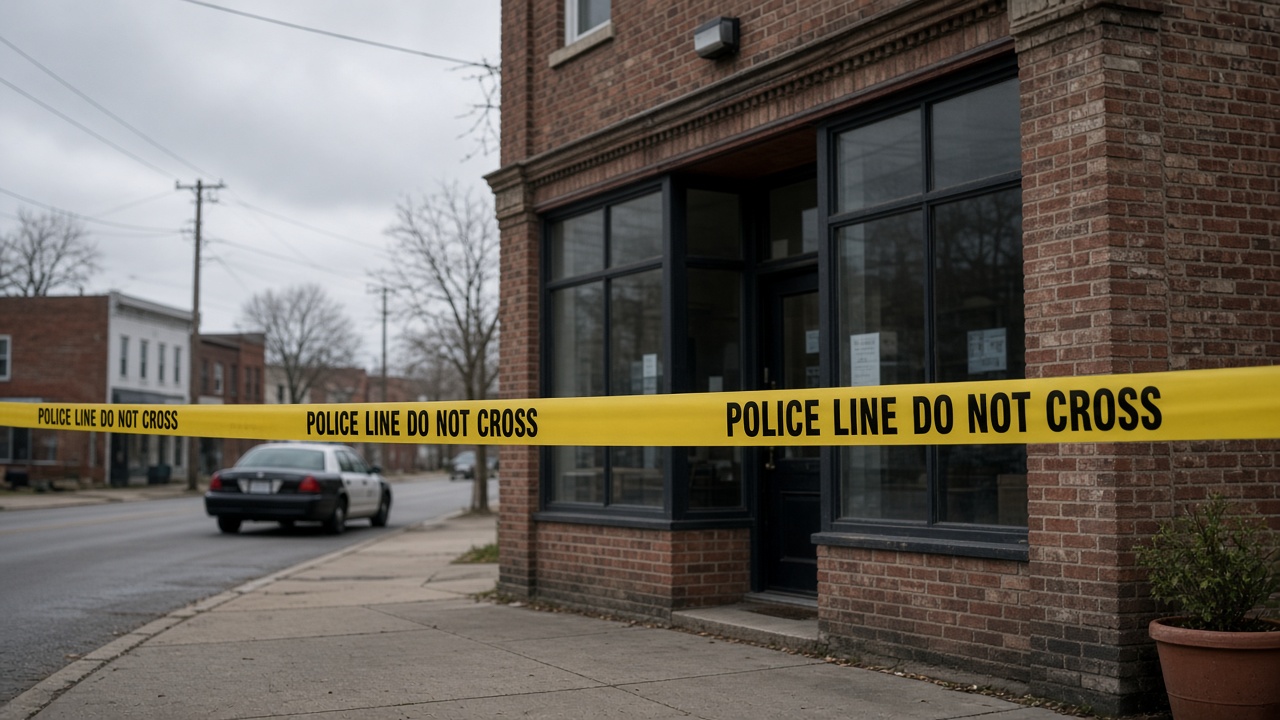
Federal parliamentarians suspended walk-in constituency clinics on Tuesday after independent MP Helen Haines remained in a critical condition in a Melbourne hospital following Monday’s incident outside her Wangaratta office.
What authorities have confirmed
Victoria Police said emergency services were called to Murphy Street about 3:35pm after a Toyota LandCruiser struck Ms Haines. A 43-year-old Tarrawingee man was arrested at the scene and remained in custody overnight for questioning.
Prime Minister Anthony Albanese told the ABC the act was deliberate and that joint counter-terrorism teams were assisting the investigation, though he cautioned it was too early to state a motive.
Parliamentary security response
Speaker Milton Dick and Senate officials issued guidance for MPs to postpone public walk-in sessions and review CCTV coverage at electorate offices. Several ministers cancelled regional media availabilities scheduled for Tuesday morning.
Cross-party leaders offered support to Ms Haines’s family and staff. The incident revived debate about security funding for independents who lack the protective details assigned to cabinet members.
Community reaction in north-east Victoria
Wangaratta traders said Murphy Street was cordoned for several hours while forensic teams worked. Locals left flowers near the office entrance, and the local health service asked residents to avoid speculation on social media while police interviewed witnesses.
Ms Haines, 65, was airlifted to The Alfred hospital in Melbourne. Hospital spokespeople declined to provide further clinical updates beyond confirming she was receiving intensive care.
Investigative steps ahead
Detectives will examine vehicle registration data, CCTV from neighbouring businesses and any prior contact between the driver and the MP’s office. AFP involvement does not automatically mean terrorism charges; it signals access to national intelligence databases during the fact-finding phase.
Parliament is not due to sit until next week, but party rooms may hold briefings on threat assessments for regional members.
What constituents should expect
Staff said phone and email casework continue, but face-to-face appointments are postponed until security reviews finish. Voters with urgent passport or Services Australia issues should use hotlines rather than attending offices in person.
Political violence remains rare in Australia, yet Monday’s events show that accessibility for MPs carries risk. Until police release a detailed statement, the prudent course for other representatives is reduced public exposure without shutting democratic access entirely.
Historical context
Australia has seen violent attacks on MPs before, including the 2016 injury to Labor’s Terri Butler in a constituent meeting and the 2014 stabbing of then-Treasurer Joe Hockey’s electorate staffer. Each episode prompted temporary security upgrades that faded as budgets tightened.
Independents without party war rooms rely on small staff teams to assess threats. Ms Haines’s office had recently hosted mobile service centre visits for veterans; those outreach formats may be first to return once police give the all-clear.
Electoral office funding
The Department of Finance provides modest security grants for electorate offices, but independents argue the cap covers only CCTV upgrades, not full-time protective details. Tuesday’s party room discussions may revisit the 2022 parliamentary security review recommendations.
State MPs in Victoria echoed federal caution, with several cancelling scheduled community forums in regional halls while police assess copycat risks.