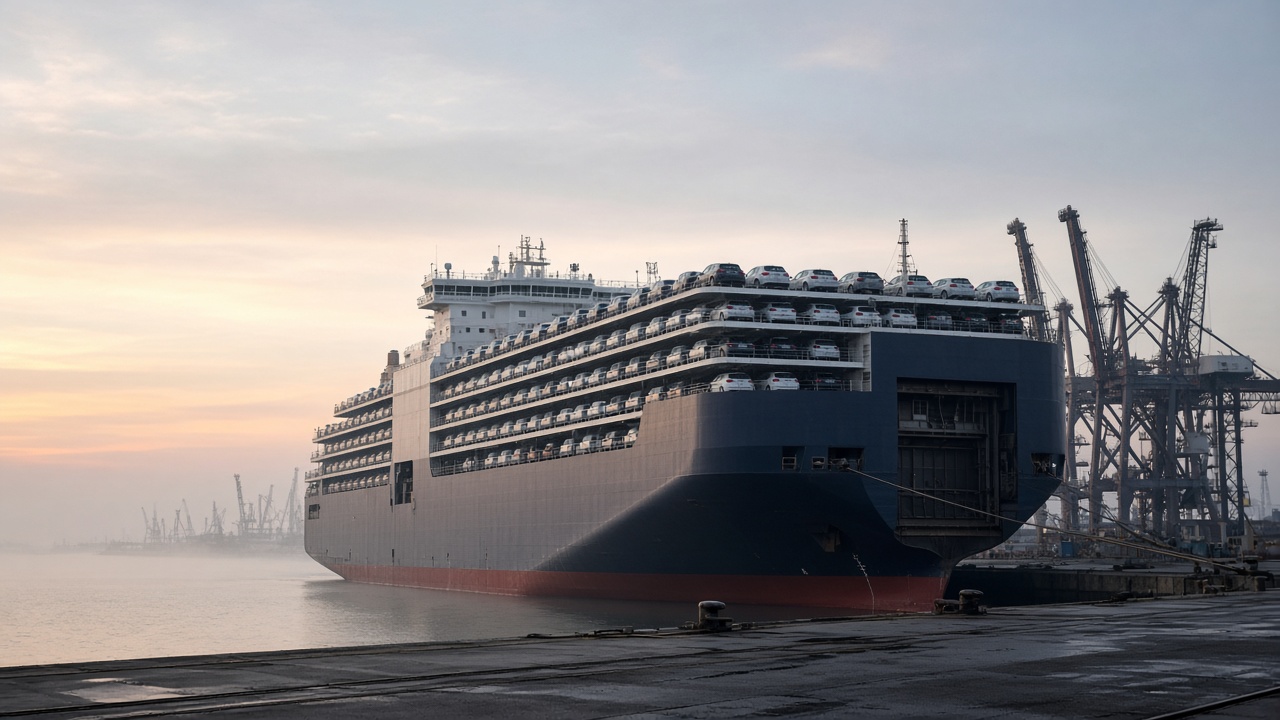
Hyundai Glovis Co., the logistics arm that ships most Hyundai Motor Group vehicles overseas, is in talks to expand roll-on roll-off berth space at the Port of Philadelphia, according to Yonhap News Agency reporting on Oct. 19 and a filing summary the company circulated to bondholders Monday. The move would route more Kia and Genesis units into the U.S. Northeast without relying solely on West Coast ports that faced congestion and labor friction in prior years.
Why Philadelphia matters for Korean exports
Philadelphia’s Packer Avenue Marine Terminal already handles Ro-Ro cargo for several automakers, offering highway links into Pennsylvania, New Jersey, and New York dealer networks. For Korean planners, adding capacity there shortens inland trucking compared with landing vehicles in Georgia or Texas and hauling north. Glovis operates dedicated car carriers and charters slots on multipurpose vessels when peak season strains its own fleet sailing from Ulsan and Pyeongtaek.
U.S. electric-vehicle demand remains uneven by region, but hybrid and gasoline crossovers still move in volume through East Coast ports. Dealers in the New York metro area have complained about allocation delays when ships discharge in Baltimore or Brunswick, Georgia, then face railcar shortages. A larger Philadelphia footprint would let Glovis stage inventory closer to customers ahead of spring selling months.
Corporate signals without a signed deal
Glovis stopped short of announcing binding contracts Monday, saying negotiations with the Philadelphia Regional Port Authority and terminal operators continue. People familiar with shipping schedules said any expansion would likely start as additional weekly calls rather than a new permanent terminal, mirroring how Glovis scaled Brunswick capacity after the 2021 supply-chain crunch.
Hyundai Motor Group’s U.S. plant in Georgia still feeds domestic dealers, but imported trims and Genesis luxury models depend on ocean legs. Logistics managers in Seoul track not only freight rates but also dollar-won levels; a stable won this month made long-haul Atlantic sailings more attractive versus air-freighting high-margin units.
Labor, infrastructure, and competition
East Coast dock labor agreements stabilized after 2024 strikes that rerouted some autos through Canadian ports. Philadelphia officials have marketed Ro-Ro investments as job creators for longshoremen and stevedores skilled in lashing vehicles. Rival logistics firms, including Japanese and European carriers, also bid for the same berth windows, which could lengthen Glovis negotiations if the port authority seeks competitive tenders.
Environmental rules on older Ro-Ro vessels tightening in 2027 add another variable. Glovis has ordered newer ships with cleaner engines, but until they deliver, the company must balance fuel costs against slot guarantees Philadelphia might demand.
Implications for Korean shareholders
Glovis shares trade as a pure logistics play on Hyundai Motor Group export volumes. Investors read port deals as utilization drivers: more discharged cars per week mean higher handling revenue even when auto demand cycles soften. Analysts on Tuesday said a Philadelphia win would be modest to earnings near term but strategically important if U.S. protectionist rhetoric targets Asian import routes.
For U.S. buyers, the practical effect is invisible until schedules change on dealer tracking sites. If talks succeed, Northeast shoppers could see shorter waits for all-wheel-drive Palisade and GV70 trims that today sit on vessels looping through multiple Gulf and Atlantic ports. Until signatures land, the story remains a logistics chess move—one that shows Korean automakers still optimizing ocean paths years after pandemic port chaos faded.
Port authority documents filed in Harrisburg note ongoing pier reinforcement after 2023 winter ice damage, a capital project Glovis negotiators want tied to their berth guarantee length. Union locals in Philadelphia issued a neutral statement Monday, saying Ro-Ro jobs are steadier than container peaks but require specialized lashers trained on electric SUVs with heavier battery packs. Glovis sustainability officers told bondholders they will report CO2 per vehicle-mile once Atlantic routes stabilize, answering ESG funds that own its green bonds.
Hyundai Motor Group’s U.S. policy team in Washington separately tracks tariff hearings; expanded Philadelphia volume could be cited as investment in American port workers if trade talks turn tense. None of that diplomacy appeared in Monday’s operational filing, but Seoul executives read logistics and politics as one spreadsheet when choosing where the next thousand Genesis SUVs discharge.