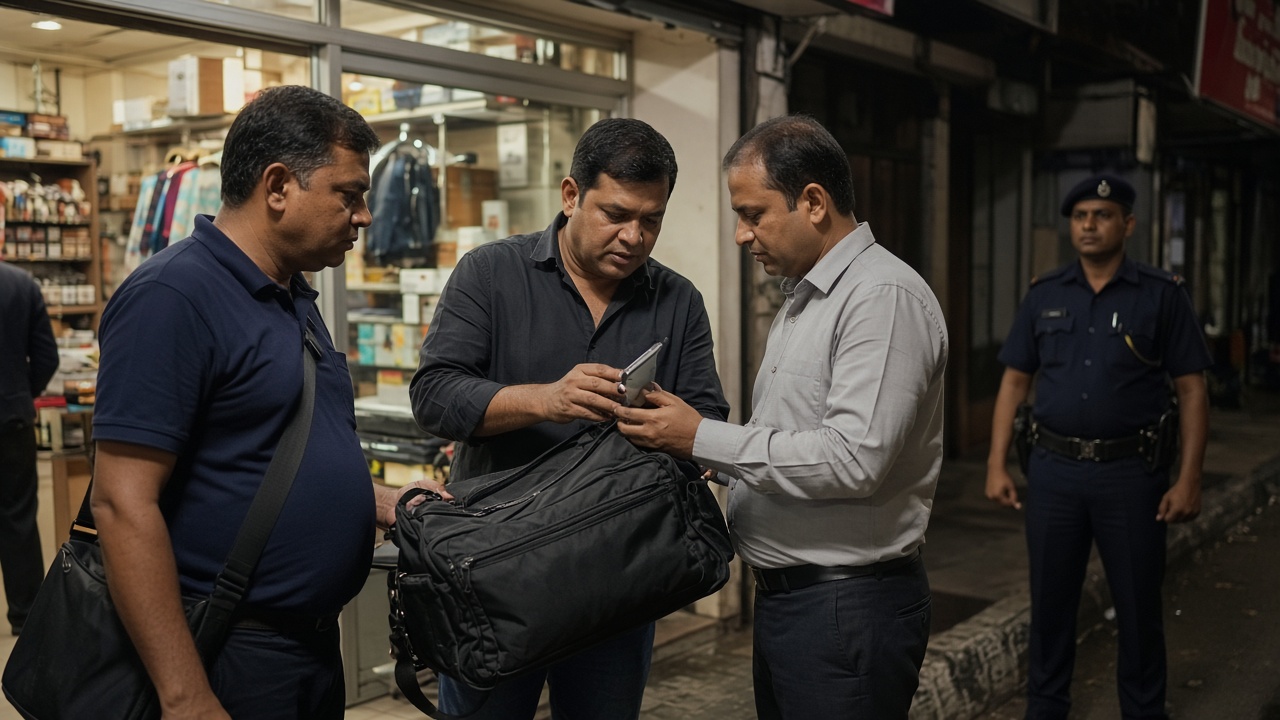
Singapore police charged a 42-year-old man on Tuesday after security officers caught him allegedly using an electronic device to harvest bank-card data near a Little India retail strip, the latest in a string of street-level payment fraud cases that banks have warned about ahead of the year-end shopping rush.
In a statement issued before dawn, police said the man was behaving suspiciously on Oct. 18 along Syed Alwi Road, a corridor lined with money changers, phone shops, and late-night eateries. Retail security staff noticed him lingering close to customers and positioning a bag near pockets where wallets were kept, police said. They detained him and handed him over to officers, who seized an electronic device, two power banks, a mobile phone, and several bank cards as exhibits.
What investigators allege
Preliminary inquiries led police to believe the man was using the equipment to obtain card information without authorisation, an offence under Section 416A(1)(a) of the Penal Code. The suspect was scheduled to appear in court later Tuesday; police did not release his name, consistent with Singapore practice before a plea.
If convicted, he faces up to three years in jail, a fine of up to S$10,000, or both. The Straits Times reported that the charge sheet centres on illegally obtaining personal information rather than on completed fraudulent transactions, suggesting investigators are still tracing whether stolen credentials were passed to accomplices.
Why retailers are on alert
Contactless payments have made checkout faster, but they also let criminals capture card details with concealed readers if they can get within centimetres of a wallet. The Association of Banks in Singapore has repeatedly urged shoppers to use RFID-blocking sleeves and to shield PIN entry on older terminals. Little India’s dense foot traffic and tourist mix make it attractive for quick-hit skimming attempts because visitors may not notice a brief bump in a crowd.
Police advised the public to stay vigilant and to report unauthorised transactions immediately. Card issuers can often freeze accounts within minutes if customers flag suspicious charges, but recovery becomes harder once credentials are sold on messaging apps.
Broader enforcement context
The case lands as the Commercial Affairs Department continues broader sweeps against scam syndicates that combine phishing calls with physical skimming. While this arrest appears to involve a lone operator, investigators routinely check seized phones for chat logs that might link street skimmers to larger laundering networks.
Police said their inquiry is ongoing and asked anyone with information to submit tips through the i-Witness portal. They did not say how many cards, if any, were compromised before the detention, leaving open whether victims will receive breach letters from their banks.
For shop owners along Syed Alwi Road, the incident is a reminder to train floor staff on tailgating behaviours and to keep CCTV angles focused on queue lines where customers pull out wallets. Prosecutors will decide after the first court mention whether to seek remand for further forensic analysis of the seized device.