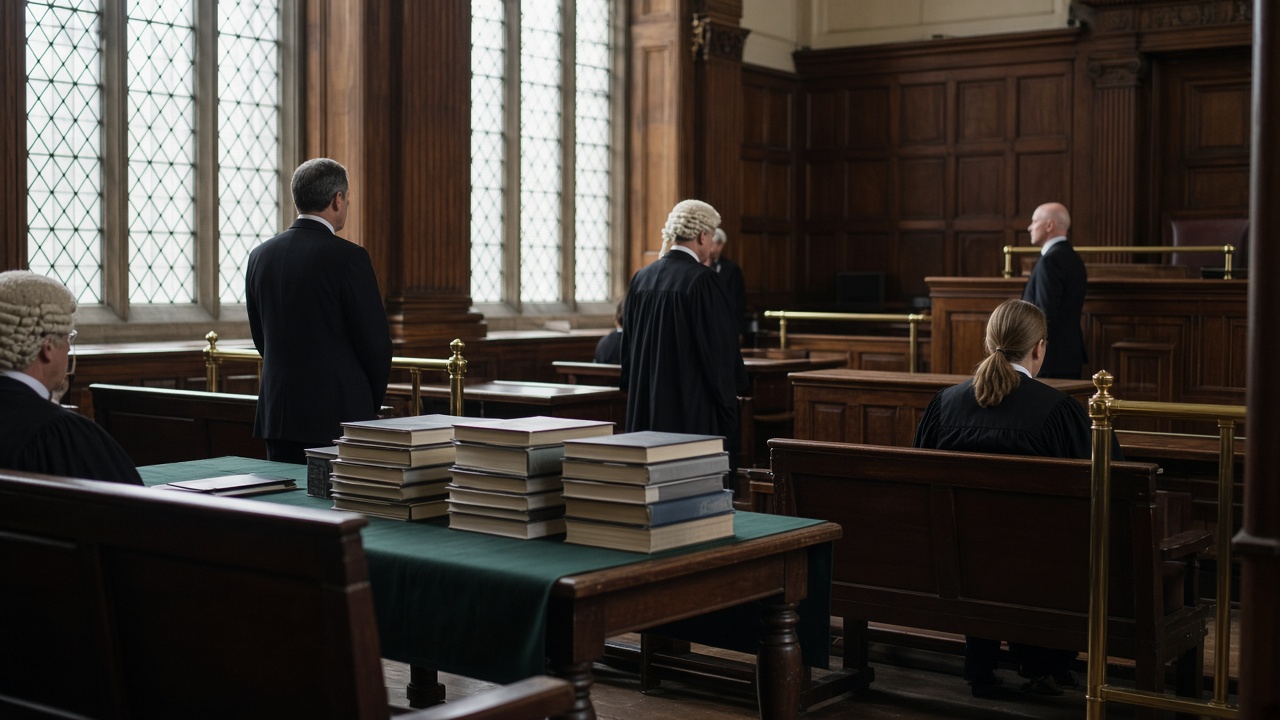
Meta, TikTok and X asked the High Court this month to curb information demands issued by Ofcom under the Online Safety Act, arguing that requests for granular moderation statistics impose unprecedented compliance burdens without a clear statutory purpose.
The hearing, which ran in mid-October, is among the first major judicial tests of how far Britain's regulator can peer inside recommendation engines, removal queues and harm-exposure metrics at services used by tens of millions of UK residents.
What Ofcom requested
In February, Ofcom sent legally binding notices seeking data on how many posts were removed or visibility-restricted, how often users encountered harmful material, and how automated systems performed across several large platforms. Ofcom said it needed the information to judge whether new safety duties were working and where to focus enforcement.
Meta's court filings described the notices as a wide-ranging wish list covering seven services. X submitted that the request was the most burdensome it had received from any regulator worldwide. TikTok argued Ofcom sidestepped an alternative monitoring regime with built-in safeguards.
Regulator defence
Ofcom told the court its powers under Section 100 of the 2023 Act require proportionate information gathering and that it narrowed requests before issuing them. A spokesperson said Parliament charged the regulator with overseeing an industry that had been unaccountable for decades.
The dispute sits alongside separate litigation from Meta challenging how Ofcom calculates fees and penalties based on global rather than UK revenue. A ruling against the regulator on either front could force Ofcom to redesign implementation just as it prepares to enforce upcoming restrictions on under-16s' access to some social apps.
Why UK users should care
Transparency fights rarely make splashy headlines, but they determine whether Ofcom can verify company safety claims in public filings. Child-protection groups want evidence that age-assurance and content-ranking changes actually reduce exposure to self-harm or bullying material, not just shift it to direct messages.
Platforms say producing bespoke datasets diverts engineers from product fixes. Civil-society observers counter that without audited metrics, the Online Safety Act risks becoming a paperwork exercise. The court has not yet handed down a final judgment in the information-notice case at the time of writing.
Next steps in the courtroom
Under the Act's process, Ofcom must gather evidence, issue any provisional decision, and allow companies to respond before imposing fines or remediation orders. Meta, TikTok and X said they remain willing to work with Ofcom on proportionate reporting, even as they challenge specific notices.
For British technology policy, the outcome will signal whether the UK follows a European model of extensive platform reporting or accepts narrower disclosures defended by Silicon Valley legal teams. Either way, the case is a stress test for a law written before generative-AI spam and disappearing-message features became everyday tools.
Parliamentary oversight
Members of the Culture, Media and Sport Committee have asked for briefings on litigation costs and timelines, worried that court delays could push enforcement past the next general election cycle. Ministers counter that judicial review rights are built into the Act and strengthen legitimacy.
Smaller UK platforms watching the case hope any ruling clarifies reporting thresholds so startups are not swept into the same data templates designed for billion-user networks.
Privacy campaigners filed interventions supporting Ofcom's data requests, arguing that without audited metrics the public cannot tell whether age-gates work. Trade associations for startups filed none, reflecting how divided the industry remains between incumbents and challengers.
Irish data-protection authorities are watching the UK case because several platforms route European moderation through Dublin offices, meaning a UK ruling on proportionality could influence EU enforcement debates under the Digital Services Act. London solicitors billing by the hour are nonetheless grateful for the litigation boom the Online Safety Act created.