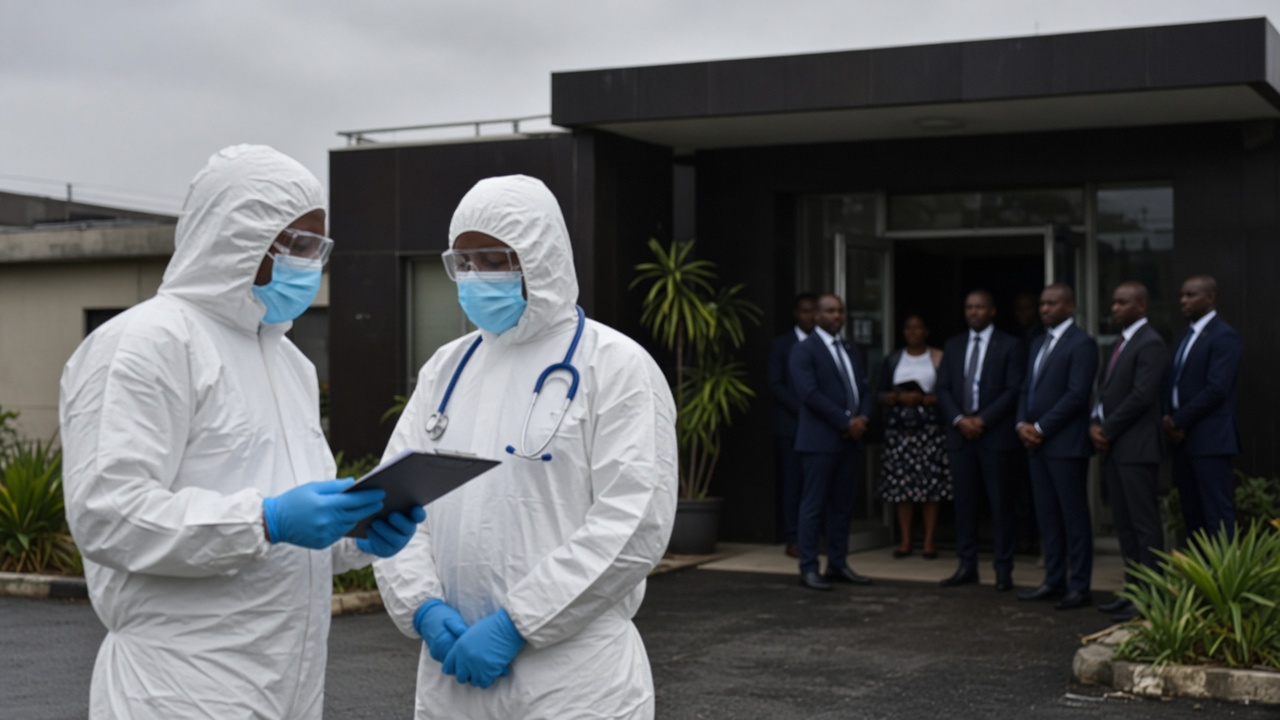
Nigeria’s federal health ministry said laboratory work on Monday confirmed Bundibugyo Ebola virus disease in a patient treated at a private hospital in Abuja, the first detection in the country during the multi-country outbreak that began in the Democratic Republic of the Congo in May. The case widens the geographic footprint of a strain that African health leaders have described as the most widespread Ebola event on record.
What authorities disclosed about the patient
According to the ministry and the Nigeria Centre for Disease Control and Prevention, the patient is a woman who arrived in Nigeria on an international flight after travel that included Uganda. She developed symptoms on 7 October, four days after arrival, and sought care at a private facility in the Federal Capital Territory on 11 October. She remained in isolation on Tuesday while clinicians monitored her condition.
Official statements initially described her as having flown from Uganda. Uganda’s health ministry said on Tuesday that she had travelled to eastern Congo for business before transiting through Uganda in early October and showed no symptoms while in Ugandan territory. Kampala stressed it had no confirmed active Ebola cases and asked Abuja for a fuller travel and clinical history to guide any cross-border tracing.
Contact tracing and hospital controls
Health Minister Muhammad Pate told reporters that teams had identified 44 close contacts and begun follow-up, including healthcare workers, other patients, caregivers and travel-linked exposures. The NCDC said it activated its incident management system to coordinate surveillance, laboratory testing and infection prevention support at the treating hospital.
The federal government urged public and private facilities nationwide to maintain a high index of suspicion, isolate people with compatible symptoms quickly and report them through official channels. The World Health Organization’s African regional office said partners were helping with contact tracing, protective equipment for staff and technical assistance, while repeating guidance against blanket travel or trade restrictions.
Regional context
Nigeria becomes the fifth country to report Bundibugyo virus disease in the current outbreak chain. Kenya confirmed its first case earlier in October and had reported nine infections in a single cluster by Tuesday, with officials saying transmission had not spread beyond that group. Africa CDC Director General Jean Kaseya warned on social media that the outbreak posed an “extremely serious threat,” citing a case fatality rate near 50 percent across affected countries.
Nigeria had stood up an Ebola task force in June and tightened surveillance after Kenya’s detections, citing lessons from the 2014 West Africa crisis when delayed recognition allowed wider spread. Chief of Staff Femi Gbajabiamila said at the time that Abuja wanted structures in place before a carrier arrived, not after.
What happens next
Health teams are still reconstructing where the woman may have been exposed, a step that will determine whether additional countries activate entry screening or quarantine rules. WHO said its risk assessment is updated as new cross-border events emerge. For now, Nigerian officials framed the response as containment around one confirmed case, with the contact count likely to move as interviews continue and laboratory results return on possible exposures.