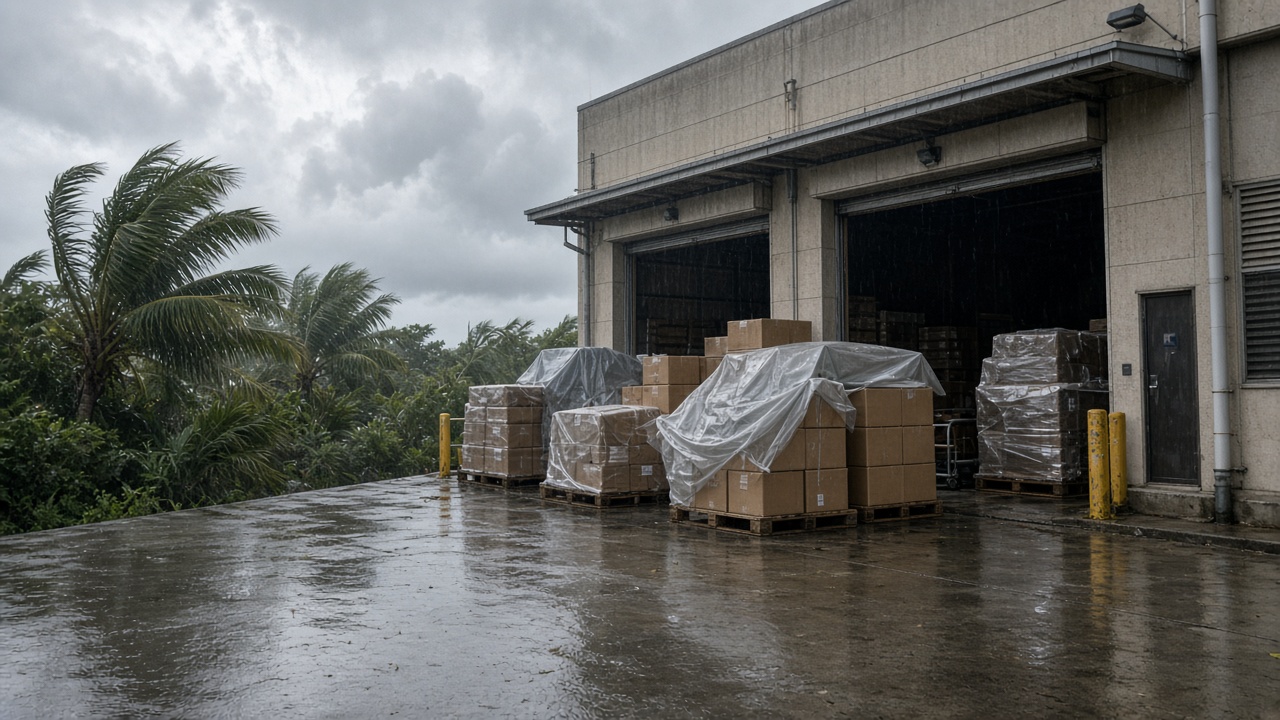
Okinawa medical facilities began pre-staging intravenous fluids, dialysis kits, and backup generators as Typhoon No. 30 moved east of the Philippines on a path that could bring violent winds to the Miyako and Yaeyama island chains from October 22.
Storm parameters
Forecasts updated late October 19 warned of gusts that could exceed regional building codes on older wooden homes and of waves up to 10 meters on exposed coasts. The Japan Meteorological Agency said the storm's large circulation would spread rain bands hundreds of kilometers from the center, affecting ferry schedules even if the eye passes offshore.
Miyako Memorial Hospital said it ordered extra saline and blood-typing supplies while postponing elective procedures that would strand patients overnight if airports close.
Lessons from prior typhoons
Administrators cited 2024 outages when dialysis patients could not reach clinics because low-lying roads flooded before winds peaked. This year they are distributing patient call trees and asking home-care nurses to stock three days of medications.
Prefectural officials opened coordination calls with Self-Defense Forces logistics units but had not requested troop deployments as of Tuesday morning.
Public advice
Residents on remote islands were told to charge devices, fill water tanks, and identify evacuation buildings on higher ground. Tourists in beach resorts received bilingual alerts to move inland before ferry service halts.
Mainland Okinawa hospitals agreed to accept transfers if smaller island facilities lose power, a pact rehearsed after earlier super-typhoons.
Pharmacies on Miyako Island reported runs on adhesive bandages and electrolyte drinks as households refreshed kits. Wholesale distributors sent extra trucks on Monday ferries before captains announced weather holds.
Dialysis centers on the main island agreed to extend evening shifts to clear backlogs if island clinics suspend operations for 48 hours. That plan requires nurse overtime budgets many small providers had not allocated before typhoon season peaked.
Construction firms secured tower cranes on Naha waterfront projects, a routine step that still delays housing deliveries when storms cluster late in the year.
Telehealth vendors offered temporary licenses so island clinicians can consult mainland specialists if ferries stop, with privacy officers vetting emergency consent forms.