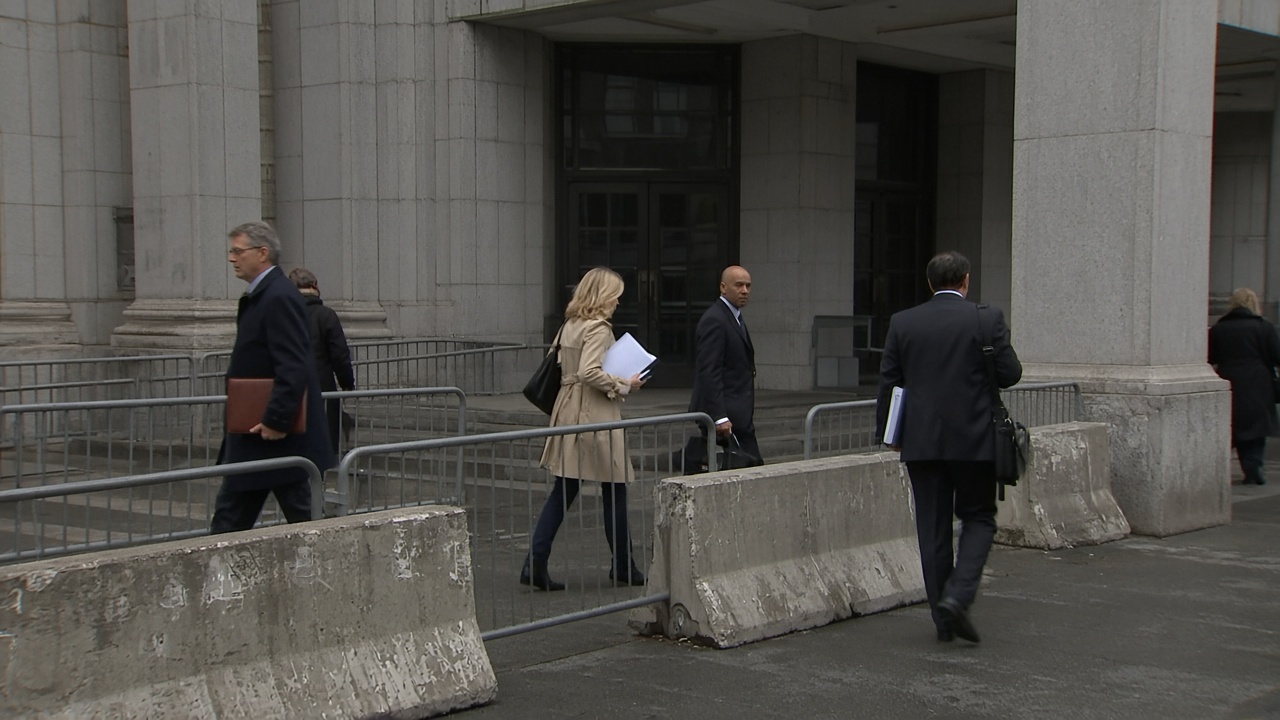
A federal judge in San Francisco ordered a former OpenAI engineer to remain in jail without bail on Monday, accepting prosecutors’ argument that Abdulrahman Alfozan posed a serious flight risk after he was accused of hiding an encrypted recorder in an executive conference room at the artificial-intelligence company’s headquarters.
Magistrate Judge Alex G. Tse’s decision followed a detention hearing at which the government laid out travel plans, messaging with figures in Saudi Arabia, and what it described as state-backed assistance to Alfozan’s wife and young son after his arrest. Alfozan, 35, is a Saudi citizen and U.S. lawful permanent resident who had worked in Silicon Valley for roughly a decade before OpenAI fired him following his October 9 arrest.
What prosecutors say happened inside OpenAI
According to a criminal complaint and a detention memorandum filed in the Northern District of California, Alfozan concealed a customized recording device behind a television in a senior conference room at one of OpenAI’s San Francisco buildings. The government alleges the setup was designed to capture oral communications in violation of federal wiretap statutes.
Prosecutors said meetings in that room around the time of the installation included OpenAI executives, business partners and, in some instances, government officials. Investigators have not publicly identified what, if anything, was recorded before the device was discovered.
Alfozan is charged under federal wiretap statutes. Defense attorney William Pernik asked for release with monitoring and passport surrender, saying Alfozan had lived in the United States for 15 years and that a planned October trip to Saudi Arabia predated any investigation.
Saudi travel, family flights and royal contacts
The detention filing is where the case moves from corporate security into geopolitics. Prosecutors allege Alfozan was scheduled to fly on a one-way ticket from San Francisco to Riyadh, with a connection in Istanbul, on October 12 — three days after his arrest on October 9. His wife and son did not wait for that booking, the government said.
According to the memorandum, the family initially planned to leave on October 11 on a one-way ticket to Jeddah paid for by the Saudi government. When that flight was canceled, a Saudi military official booked and paid for business-class one-way seats to Doha on October 10, and the wife and child departed about 36 hours after Alfozan’s arrest. Prosecutors cited FBI interviews in which the wife said her U.S. visa was expiring and that the family was moving permanently to Saudi Arabia, with Alfozan intending to follow.
The filing also quotes messages in which an unnamed member of the Saudi royal family urged Alfozan to take an AI-focused role in the kingdom, writing that “Saudi needs you more then the US!” Alfozan replied “100,” prosecutors said. The Saudi government media office has not responded to press inquiries summarized in court coverage. The United States and Saudi Arabia do not have an extradition treaty, a point prosecutors highlighted when arguing that Alfozan would have little incentive to return if he reached the kingdom.
Why the judge kept him in custody
At Monday’s hearing, Judge Tse sided with the government’s flight-risk assessment. Court reporters said the judge found a “significant” chance Alfozan would flee given his family’s relocation, his loss of employment, overseas bank accounts and the alleged foreign support described in the filing.
Prosecutors told the court the investigation remains active and that additional charges are possible. Alfozan’s next scheduled appearance is November 6. OpenAI has not commented in detail beyond confirming his termination after the arrest.
What this means for AI security
The episode lands as governments and Gulf states compete for frontier-model talent. A case alleging physical bugging inside a headquarters conference room will sharpen how labs vet staff with overseas ties and harden rooms where strategy is discussed. Alfozan has not been convicted; pretrial hearings will test the government’s flight-risk narrative against his defense.