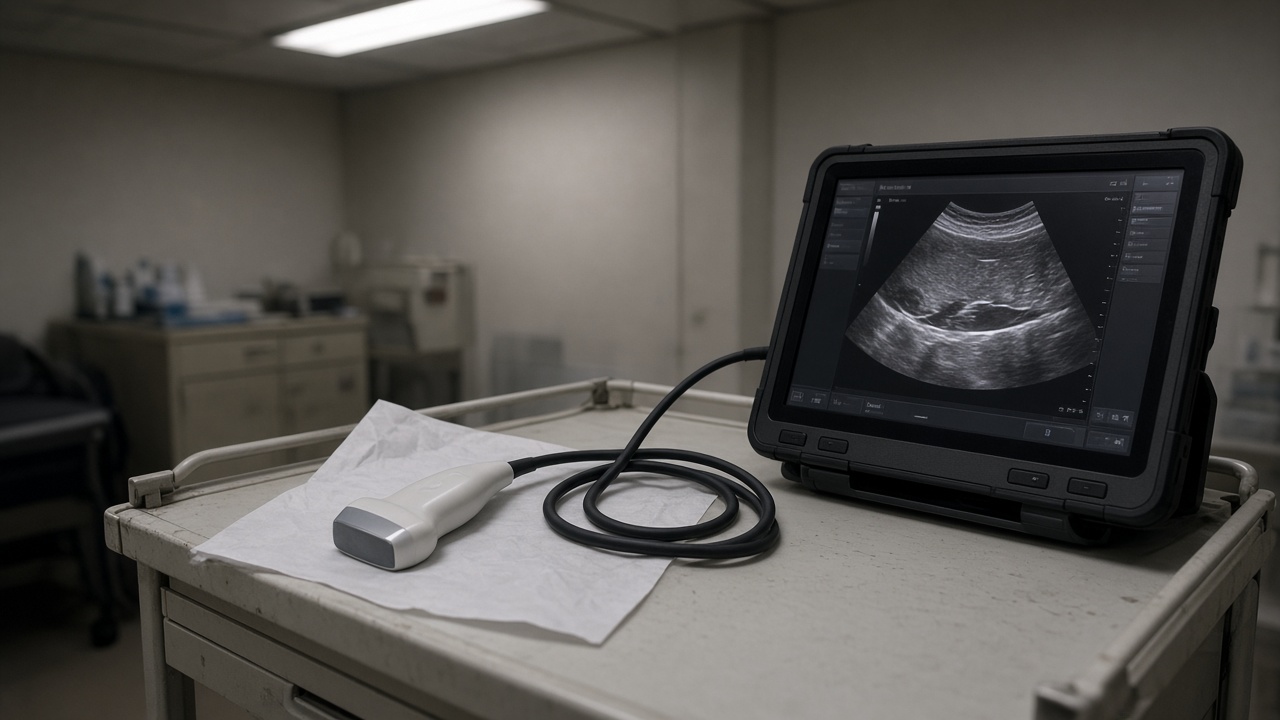
Philips Ultrasound pulled its Lumify handheld ultrasound systems into a Class I recall—the Food and Drug Administration’s most serious category—after determining that unclear use instructions could contribute to a misdiagnosis.
Which devices are involved
FDA enforcement reports dated October 16, 2026 list the Lumify Diagnostic Ultrasound System under recall number initiated by Philips Ultrasound, LLC. Class I recalls are reserved for situations where regulators believe there is a reasonable probability of serious injury or death if the problem goes uncorrected.
Lumify pairs a phone or tablet with a handheld probe for point-of-care imaging in emergency departments, obstetrics clinics, and sports-medicine offices. The systems are not implanted devices, but incorrect imaging settings can change how clinicians interpret fractures, fluid buildup, or pregnancy complications.
What Philips is changing
Rather than pulling hardware from the market entirely, Philips issued updated use instructions and software guidance through the correction pathway FDA tracks as “Recall Confirmed” on its medical-device safety page. Facilities must verify they received the new labeling and train staff on any revised acquisition modes or probe cleaning steps.
Hospitals should check their biomedical engineering logs for Lumify serial numbers and compare them against Philips’ customer letters. Outpatient clinics that rent probes on short-term contracts sometimes miss manufacturer safety mailings if equipment is owned by a management company.
Patient actions
If you had a Lumify exam recently, you do not need a repeat scan solely because of the recall unless your clinician contacts you. The risk FDA highlights is forward-looking: future exams could be misread if operators follow outdated quick-start cards.
Patients scheduled for point-of-care ultrasound this week can ask whether the site uses Lumify and whether staff completed the October correction training. Legitimate providers will know their device inventory; hesitation is a red flag.
Broader imaging safety context
Handheld ultrasound has expanded rapidly as machines shrink and AI-assisted measurement tools arrive. Regulators are trying to keep labeling pace with software updates that ship over the air.
The Lumify action follows a cluster of infusion-pump and convenience-kit recalls this fall, underscoring that hospital supply chains remain sensitive to documentation errors—not just mechanical failures.
What clinicians must document
Risk managers should log completion of Philips’ correction bulletin in the same way they track ventilator software patches. Joint Commission surveys increasingly ask for proof that recall notices closed within 30 days.
For rural sites that rely on Lumify to avoid transferring patients to distant radiology departments, any downtime while tablets update should trigger a backup plan—usually cart-based ultrasound or STAT transport agreements.