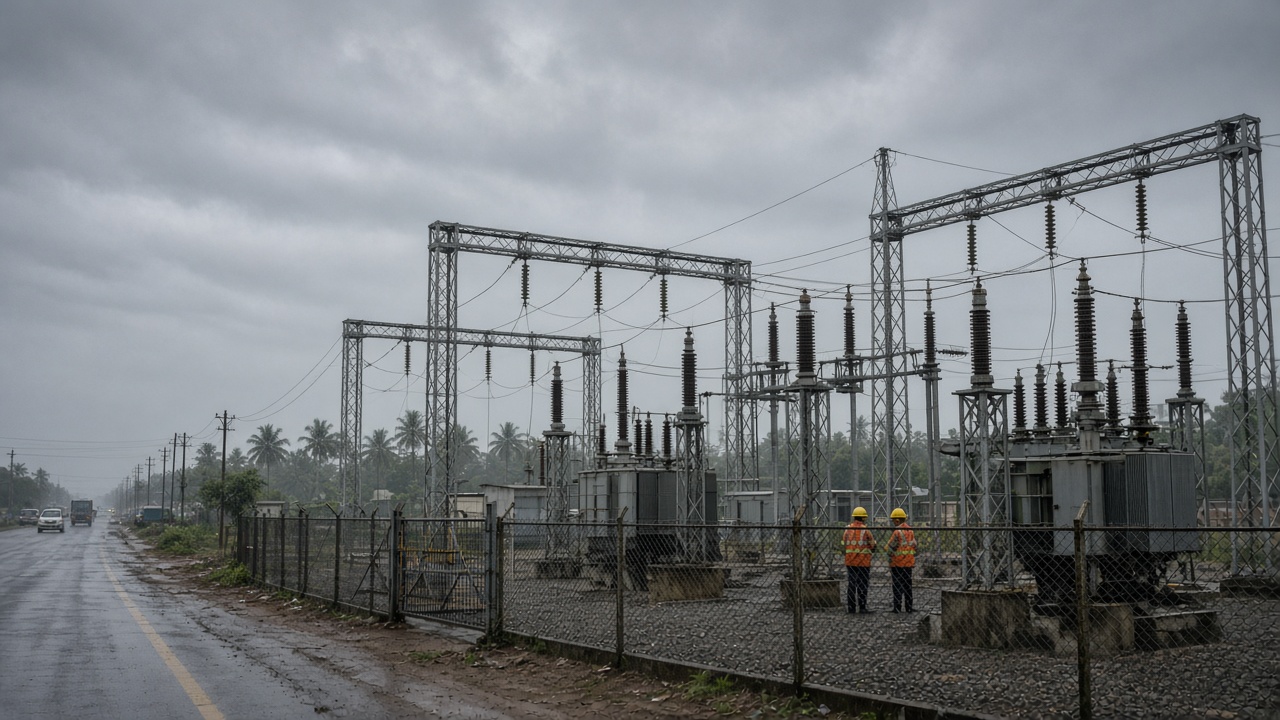
The Union Power Ministry will roll out a National Electricity Data Sharing Framework this month, giving state utilities a common template for publishing grid and consumption datasets that startups can train analytics models on without breaching critical-infrastructure rules.
Structure of the framework
Power Secretary Pankaj Agarwal told reporters after a Central Electricity Authority conclave that the document, consulted on since June, is voluntary but sets baseline definitions for what distribution companies may share, how often files must refresh, and which fields must stay masked for cybersecurity reasons.
A national data governance committee chaired by the CEA will adjudicate disputes when a utility refuses a request from an approved analytics vendor. Membership includes state energy secretaries and industry representatives, signalling that Delhi wants cooperation rather than a centralised data lake owned solely by the government.
Why utilities resisted ad hoc sharing
Discoms already generate terabytes of smart-meter reads, outage tickets and feeder-load snapshots, yet formats differ by state, making it expensive for software firms to scale beyond pilot cities. Agarwal said the framework's primary deliverable is interoperability: if two utilities label peak demand the same way, a demand-response startup can deploy in Maharashtra and Gujarat without rewriting parsers.
Critical infrastructure protections remain. Substation schematics, real-time stability margins and personnel rosters stay off-limits. Aggregated, time-lagged statistics on renewable curtailment or agricultural consumption are in scope.
Link to AI in the power sector
The launch coincides with CEA workshops on artificial intelligence for forecasting and theft detection. Officials argued that AI pilots fail when training data stops at corporate firewalls. A standard schema lets states compare model performance and share playbooks for vegetation management or transformer overload alerts.
Startups pitching discom analytics said they would still need commercial contracts, but the framework removes the excuse that legal teams cannot approve exports.
State adoption path
Because participation is voluntary, early movers will likely be states already running advanced metering infrastructure programmes—Gujarat, Karnataka and Tamil Nadu among them. Laggards may wait for grants tied to the Revamped Distribution Sector Scheme before hiring data officers.
Regulators at state electricity commissions were briefed to align tariff orders with any new reporting duties, avoiding unfunded mandates on loss-making utilities.
What industry should track
Watch for the first published dataset catalogue on the CEA portal and whether any discom publishes open APIs with authentication tokens for vendors. If those appear before Diwali, expect a burst of pilot announcements at distribution conferences in November.
For consumers, benefits are indirect: better outage prediction and faster renewable integration if planners can see feeder-level data without month-long RTI delays. The framework does not by itself cut bills, but it underpins the digital layer India's grid needs as demand peaks climb each summer.