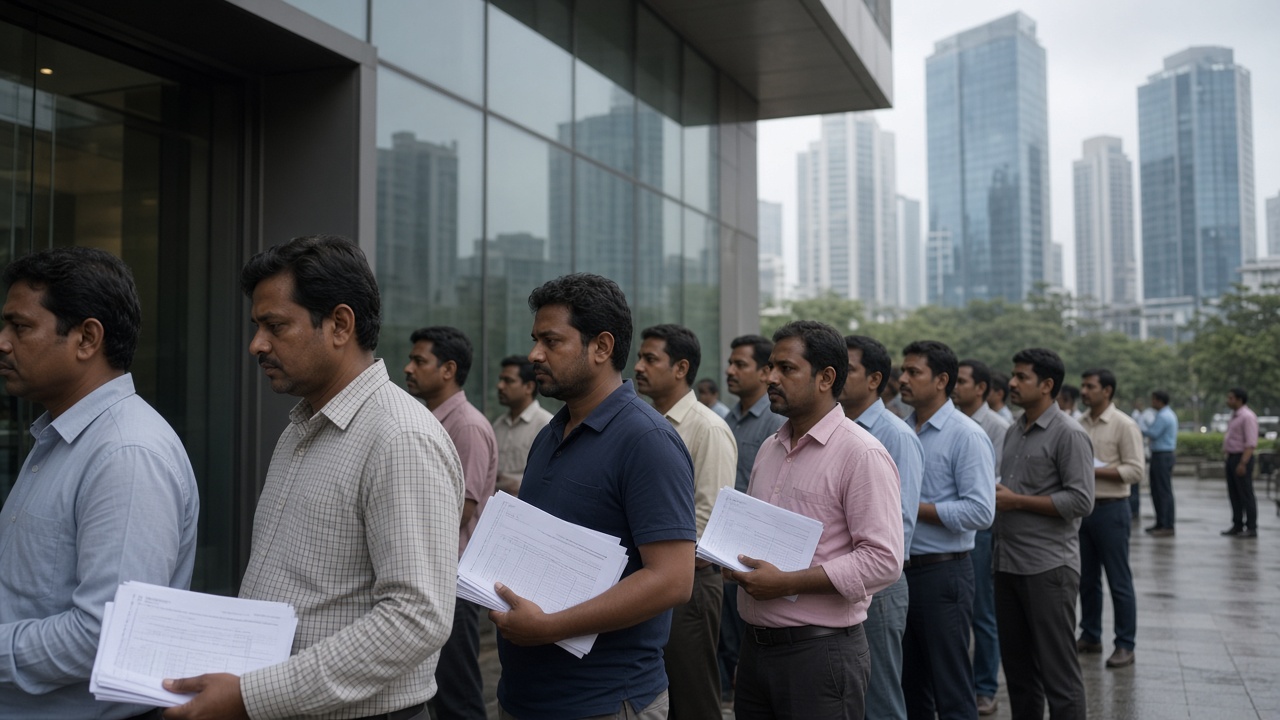
Jio Platforms will ask public-market investors to subscribe to a ₹30,213 crore share sale that opens on Wednesday, 21 October, in the largest domestic primary offering scheduled this festive season and a gauge of whether Reliance Industries can still monetise its digital stack after Monday's broad equity selloff.
What shareholders are buying
The issue, backed by Reliance Industries, is structured as a fresh equity sale intended to deepen the float in India's dominant telecom and digital-services company. Draft filings circulated to anchor investors describe a price band of ₹1,065 to ₹1,119 per share, implying a partial exit for some early financial investors while leaving strategic control with the Mukesh Ambani-led group.
Anchor books were scheduled to close on Tuesday, the Vijayadashami holiday, when equity markets were shut but merchant bankers could still take institutional orders offline. That timing keeps the listing path on track for late October even though Mumbai's cash session will not reopen until Wednesday.
Why the calendar matters now
Bankers pitching the deal say Jio's subscriber base, fibre footprint and payments volumes give it a different growth profile from pure-play software exporters that sold off with global technology names on Monday. Still, fund managers who trimmed private-bank holdings after September-quarter earnings are asking whether retail liquidity diverted into IPO applications will subtract from secondary-market support when trading resumes.
Paras Healthcare is also slated to open a smaller ₹1,450 crore issue in the same window, giving domestic mutual funds a choice between a consumer-health chain and a platform that already touches most Indian smartphones.
Market backdrop
The Nifty 50 finished Monday at 22,888.95 after losing 257 points, with Axis Bank and HDFC Bank among the heaviest drags. The Volatility Index climbed to 14.7, a reminder that new issues launched into nervous tapes can price conservatively or lean on anchors for bulk of the book.
Reliance's own shares have historically moved on the day Jio-related capital events are priced, because the parent still consolidates the digital unit's economics. Portfolio managers said they would watch grey-market indications and anchor participation before committing retail tranches on the final day of the offer.
Regulatory and use-of-funds questions
SEBI's disclosure norms require Jio to spell out how proceeds will be deployed—typically network densification, data-centre capex and product development rather than debt repayment. Investors are also scrutinising related-party arrangements with Reliance Retail and media assets housed under JioStar, where advertising inventory is being marketed for the Diwali season.
Foreign portfolio investors remain net sellers of Indian equities in October, according to exchange data cited by brokers on Monday, which could push issuers to rely more heavily on domestic institutions and high-net-worth individuals who can bid in the anchor portion.
What to watch after the holiday
Subscription data will update daily once the retail window opens. A fully covered book on day one would signal that the Dussehra closure did little to cool demand; weak coverage would reinforce concerns that bank-stock weakness is a proxy for broader risk appetite.
Listing gains are never assured, but bankers say a credible Jio anchor roster would set the tone for other technology-linked issuers waiting until after Diwali. For now, the story is simple: India's biggest digital IPO in years is about to meet a market that just reminded everyone how quickly private lenders can pull indices lower.