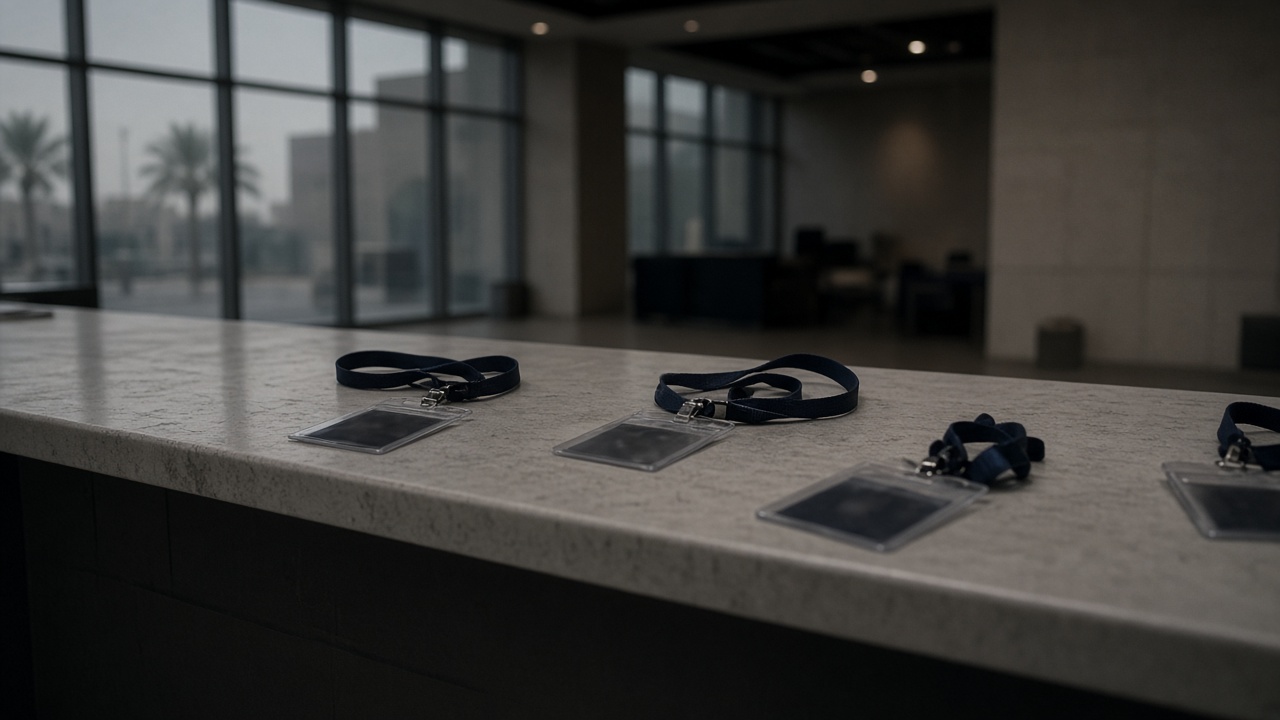
Saudi Arabia’s flagship investor gathering will not open in Riyadh this month. The Future Investment Initiative Institute told participants on Monday that its tenth annual conference, branded FII10 and scheduled for 26–29 October, has been pushed to 2027, with new dates promised soon.
The decision lands as Yemen’s Iran-aligned Houthi movement said it carried out six operations against Saudi targets in 48 hours, including facilities linked to state oil giant Aramco in Yanbu, the Shaybah oil field, King Khalid International Airport in Riyadh and Abha airport in the southwest. Houthi military spokesperson Yahya Sarea said the wave answered more than 200 Saudi air and missile strikes on Sanaa and other Houthi-held areas. Riyadh did not immediately confirm the latest claims, and Reuters said it could not verify them independently.
From ‘Davos in the desert’ to an empty calendar
Launched in 2017, the Future Investment Initiative has become Crown Prince Mohammed bin Salman’s showcase for Vision 2030, the programme meant to diversify the kingdom away from crude revenue and pull foreign capital into tourism, technology and logistics. Past editions have drawn Wall Street chiefs and sovereign-wealth managers; this year’s guest list was expected to include BlackRock’s Larry Fink and JPMorgan Chase’s Jamie Dimon, according to business press briefings.
The Wall Street Journal reported that organisers first ruled out an in-person meeting beginning 26 October, then notified attendees the entire edition would slip to next year. Princess Dr Maha bint Mishari Al Saud, chief executive of the FII Institute, said in a statement that the tenth anniversary edition “will now take place in 2027” so it can deliver the “full scale, extraordinary quality, and unforgettable impact” partners expect. The institute said existing registrations and partnerships remain valid.
Security spillovers beyond the conference hall
Missile and drone exchanges between the Houthis and the Saudi-led coalition have escalated for weeks, with both sides targeting energy infrastructure and aviation hubs. A separate round of Houthi strikes earlier in October damaged an administrative tower at Aramco’s headquarters complex in Dhahran, and Saudi authorities reported intercepts over Riyadh that left civilians injured from falling debris.
Business disruptions are widening. The National reported that Intersec Saudi Arabia, a security trade fair set for November, and the Saudi Retail Forum were also postponed into 2027. CNBC noted that travel anxiety among international executives had been building even before the formal FII announcement, as carriers adjusted schedules around airport closures.
What investors watch next
Markets are already sensitive to Gulf supply risk: Brent crude has traded above $110 a barrel amid the fighting, and the International Monetary Fund has warned that prolonged conflict could have “negative spillovers” far beyond the Middle East. For Riyadh, the FII delay is both a security decision and a reputational test—proof that the kingdom can still host global capital when airports and oil installations are in the crosshairs.
Official messaging from the FII Institute framed the postponement as a quality control measure for a milestone edition rather than a direct reaction to attacks. Yet the timing—hours after the Houthi claims and with executives mid-travel planning—makes the link hard to ignore. Until Riyadh sets 2027 dates and the coalition can show sustained calm in Saudi skies, the “power of legacy” theme will play out in bunkers and boardrooms rather than on a Riyadh stage.