Singapore's Infocomm Media Development Authority fined Singtel S$1 million on Tuesday for mobile network outages in March that disrupted payments, ride-hailing and delivery apps for roughly 720,000 subscribers. The regulator said the three-day sequence was preventable, traced to a chiller breakdown and later traffic-handling failures, and was not caused by a cyberattack.
What failed in March
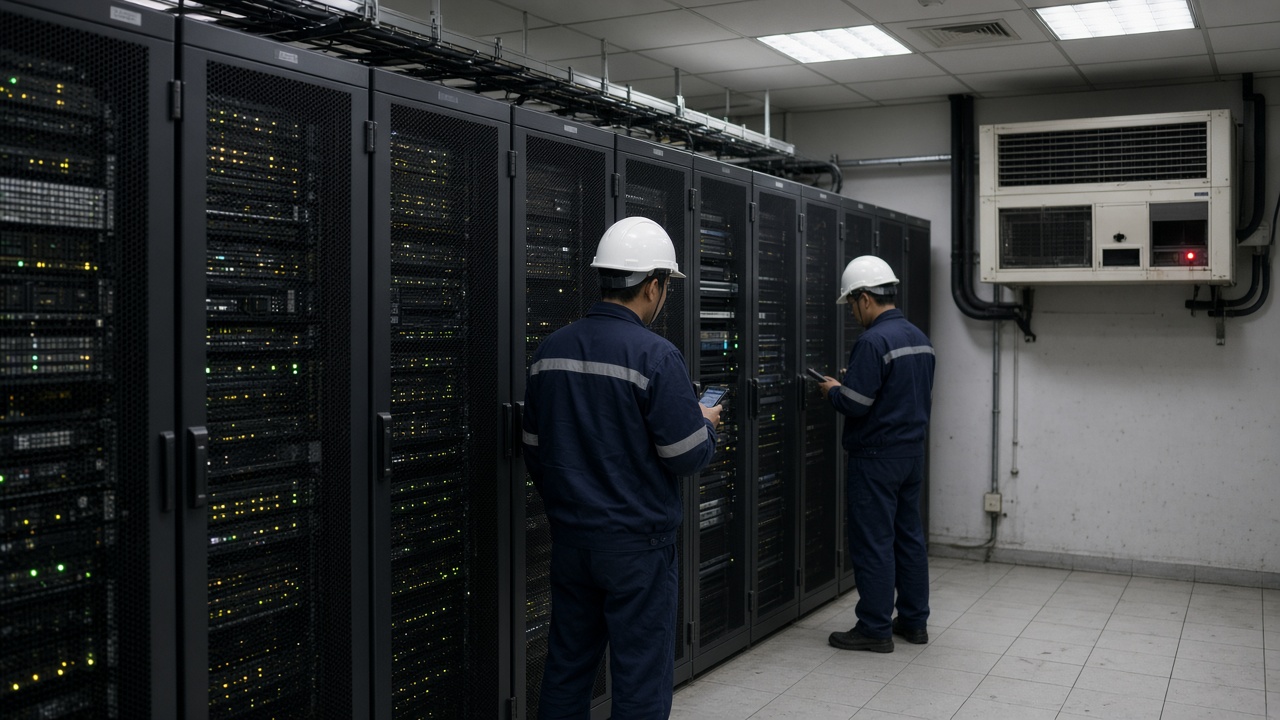
The first widespread outage struck on 16 March when cooling equipment at a Singtel exchange overheated and shut down mobile gear, IMDA said. Investigators found that a vendor had not reopened a manual water-flow valve after scheduled maintenance and that Singtel lacked active monitoring on the chiller system, allowing temperatures to climb until the site went offline.
When engineers redirected 5G traffic to another exchange, a disabled network packet optimiser and a software defect left that site unable to absorb the load. Subscribers faced intermittent connectivity on 18 and 19 March, extending the pain beyond the initial chiller incident. IMDA said both follow-on days could have been avoided if Singtel had verified failover capacity before shifting traffic.
Regulator's findings
IMDA classified the events as within Singtel's control to prevent and noted the telco's market scale: with about 4.5 million mobile customers, Singtel is roughly twice the size of its nearest rival. The authority weighed the subscriber count and essential-service impact heavily when setting the penalty, though it also credited Singtel's cooperation, progressive restoration of 4G before 5G, and goodwill rebates of S$5 to S$10 per affected account totalling about S$8 million.
The fine lands twelve months after IMDA penalised Singtel S$1 million for a separate fixed-voice outage in October 2024, signalling a pattern of infrastructure lapses regulators are unwilling to treat as one-offs. Tuesday's statement explicitly ruled out malicious intrusion, distinguishing the March episode from the ransomware headlines that often dominate telecom enforcement elsewhere in Asia.
Singtel's response and fixes
Singtel Singapore chief executive Ng Tian Chong said the company accepts IMDA's ruling and regrets the disruption. He reiterated that network reliability remains a top priority and pointed to remediation steps already under way, including tighter chiller maintenance procedures, improved valve monitoring and exercises to test backup triggers.
Engineers have rectified the packet optimiser configuration at the second exchange and run failover drills designed to catch traffic spikes before they reach subscribers' phones. For households that relied on mobile data when home broadband faltered, the outages were a reminder that Singapore's digital economy still routes through a handful of exchange buildings cooled by industrial chillers.
Broader context for subscribers
Competitors StarHub, M1 and Simba avoided comparable penalties this round, but all four telcos operate under the same Telecommunications Competition Code expectations for service continuity. IMDA's action arrives as Singtel's Australian subsidiary Optus faces separate scrutiny over emergency-call failures, a contrast Ng did not address in his statement but that investors are tracking across the group.
Consumers who received rebates still face a market where second fines within a year raise questions about whether financial penalties alone change maintenance culture. IMDA said it will continue monitoring Singtel's corrective measures; subscribers will judge success the next time a heat wave or vendor mistake stresses the cooling plant.
For now, the S$1 million ticket is both a bookkeeping line and a public marker that Singapore treats mobile connectivity as essential infrastructure, not a best-effort app. Anyone who queued for a taxi or watched a payment spinner in March already knew that. Tuesday's penalty puts the engineering root causes on the record.